Physical Address
304 North Cardinal St.
Dorchester Center, MA 02124
Physical Address
304 North Cardinal St.
Dorchester Center, MA 02124

SpaceX has scrubbed its crucial Starship Flight 10 test mission twice in 48 hours — first due to a liquid oxygen leak in ground systems, then dramatically halting Monday’s attempt with just 40 seconds remaining on the countdown clock due to weather.
The back-to-back cancellations mark another setback for the $3 billion Starship program, which has already suffered three explosive failures in 2025.
CEO Elon Musk, who joined Monday’s livestream from Starbase, watched as flight controllers held the countdown at T-minus 40 seconds while an electrically charged anvil cloud lingered over the launch site. “Standing down from today’s flight test attempt due to weather,” SpaceX announced, with the company now targeting Tuesday, August 26 at 7:30 PM EDT.
Sunday’s cancellation came just 17 minutes before the scheduled 7:30 PM EDT launch window.
SpaceX had already loaded 11 million pounds of propellant into the 400-foot megarocket when engineers discovered the issue.
“Ground side liquid oxygen leak needs to be fixed,” Musk revealed on X, explaining that the problem involved the complex ground infrastructure at Starbase rather than the rocket itself.
The leak occurred in what SpaceX calls “Stage 0” — the massive tanks, plumbing, and valves that handle thousands of tonnes of super-cooled liquid oxygen and methane during fueling.
Crews worked through Sunday night on repairs, focusing on the quick disconnect system that allows propellants to flow into Ship 37’s tanks.
Monday’s attempt seemed promising at first.
SpaceX completed fueling both stages with liquid oxygen and methane. Musk himself appeared on the official livestream, explaining his vision: “We want to be a multi-planet species.”
But weather had other plans.
As the countdown ticked toward zero, SpaceX’s Dan Huot announced they were monitoring an anvil cloud near the launch pad — a serious concern since rockets can actually trigger lightning strikes when flying through electrically charged clouds.
With less than a minute to go, flight controllers made the call.
The countdown clock froze at T-minus 40 seconds.
“Weather got in our way,” Huot told viewers, while Musk remained notably silent on the stream.
SpaceX kept the rocket fueled and ran through the countdown as a dress rehearsal, stopping at T-minus 10 seconds.
These cancellations add to what’s been a challenging year for Starship.
The current generation of vehicles, which SpaceX debuted in January, has yet to complete a successful mission:
Industry analysts suggest about 20% of SpaceX’s Falcon rocket engineers have been temporarily reassigned to improve Starship’s reliability.
Flight 10’s mission profile included several critical tests:
The Super Heavy Booster 16 would fire for approximately 2.5 minutes before separating and attempting a controlled splashdown in the Gulf of Mexico — about 6 minutes and 40 seconds after liftoff.
Ship 37 would continue to near-orbital velocity, attempting to:
The test aims to gather data for NASA’s Artemis program, which plans to use Starship as a lunar lander as early as 2027.
Starship represents the cornerstone of Musk’s Mars colonization ambitions.
Standing over 400 feet tall when fully stacked, it’s the most powerful rocket ever built — generating twice the thrust of NASA’s Apollo-era Saturn V.
The vehicle needs to prove it can:
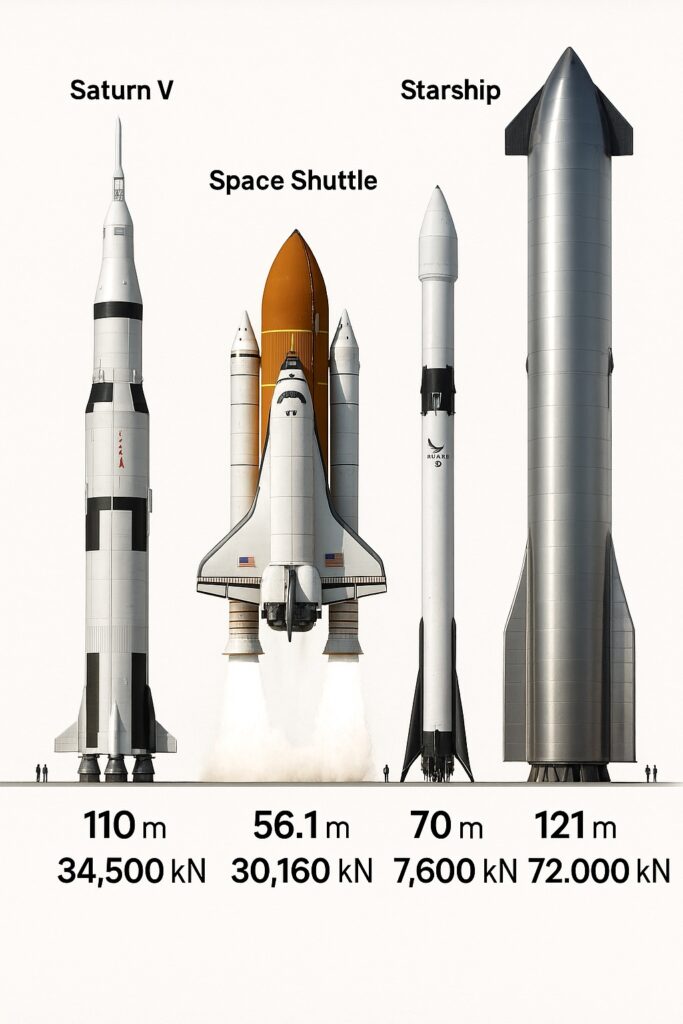
But achieving those goals requires successful test flights — something that’s proven elusive in 2025.
The repeated delays occurred against a backdrop of environmental protests near the launch site.
Activists from groups including Conibio Global were present in nearby Gulf Coast waters during Sunday’s attempt.
“The cause for the cancelation is unclear, but our presence definitely caused discomfort,” said Jesús Elías Ibarra, founder of Conibio Global.
Local environmental groups have long raised concerns about Starship launches impacting the sensitive wetland ecosystem around Boca Chica Beach.
SpaceX is now targeting Tuesday, August 26 at 7:30 PM EDT for the next attempt.
The company has FAA approval for launches through at least August 26, with weather forecasts showing improved conditions.
Engineers continue monitoring the liquid oxygen system repairs from Sunday’s leak.
If successful, Flight 10 would mark crucial progress after months of setbacks.
“A successful test would almost kind of erase the challenges of the last year,” said Carissa Christensen from BryceTech. “An unsuccessful one is just going to add to that scrutiny.”
After two scrubs in 48 hours — one for hardware, one for weather — SpaceX faces mounting pressure to demonstrate Starship can fly successfully.
With NASA counting on Starship for its moon landing plans and Musk’s Mars ambitions hanging in the balance, Tuesday’s attempt takes on even greater significance.
The world will be watching to see if the third time’s the charm for Flight 10.
Follow AboutDarwin.com for live coverage of Tuesday’s launch attempt and breaking space industry news.