Physical Address
304 North Cardinal St.
Dorchester Center, MA 02124
Physical Address
304 North Cardinal St.
Dorchester Center, MA 02124

Genomics has reshaped modern life science, and its potential for transforming healthcare continues to expand. Whole-genome sequencing and consumer genomics sit at the heart of this revolution, offering individuals unprecedented access to their genetic blueprint. What is whole-genome sequencing in consumer genomics, and why does it matter for everyday people seeking health insights?
With advances in next-generation sequencing technology, you no longer need to be a scientist to explore your genetic makeup. Consumer genomics companies now deliver comprehensive DNA analysis directly to your doorstep, turning complex genomic data into actionable health information. This guide examines whole-genome sequencing from every angle: the underlying science, its evolution from research labs to living rooms, the advantages it offers over traditional testing methods, and the ethical considerations every consumer should understand.
Unlike older genetic tests that examined only specific gene regions, whole-genome sequencing decodes nearly every DNA letter in your genome. This comprehensive approach reveals predispositions to diseases, responses to medications through pharmacogenomics, and unique metabolic traits that influence diet and fitness. As we navigate 2026, the accessibility and affordability of this technology have reached levels unimaginable just a decade ago.
Whole-genome sequencing represents a fundamental shift in how we read genetic information. To appreciate its significance, one must first understand the molecular building blocks that make life possible.
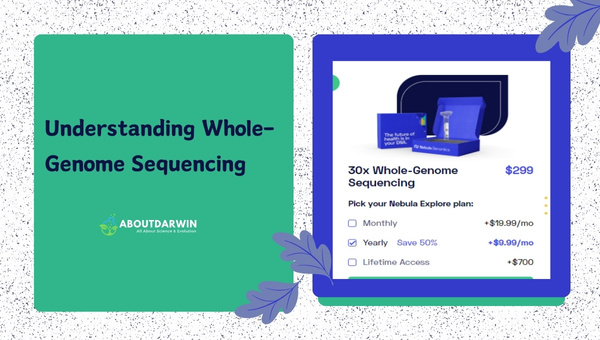
Whole-genome sequencing, abbreviated as WGS, is the process of determining the complete DNA sequence of an organism’s genome at a single time. In humans, this means reading approximately 3 billion base pairs that comprise our genetic blueprint. But to truly grasp what this entails, we must start with the basics of DNA structure.
DNA, or deoxyribonucleic acid, consists of two long chains twisted into a double helix. Each chain is built from nucleotides, which are the fundamental units of genetic information. Every nucleotide contains three components: a phosphate group, a sugar molecule (deoxyribose), and one of four nitrogenous bases. These bases are adenine (A), thymine (T), cytosine (C), and guanine (G). The specific pairing of these bases follows a strict rule: adenine always pairs with thymine, and cytosine always pairs with guanine. These A-T and C-G pairings form the rungs of the DNA ladder.
A gene represents a specific sequence of these base pairs that provides instructions for building proteins. Humans possess roughly 20,000 protein-coding genes, but these constitute only about 1-2% of our total DNA. The genome encompasses all genetic material, including protein-coding regions (exons), non-coding regions (introns), regulatory sequences, and what was once dismissively called “junk DNA” but now understood to have important regulatory functions.
Traditional genetic testing methods like SNP genotyping examine only specific points across the genome, typically analyzing 600,000 to 1 million selected locations. In contrast, whole-genome sequencing reads the vast majority of your DNA, achieving coverage depth of 30x or higher, meaning each base is read an average of 30 times for accuracy. This comprehensive approach captures single nucleotide polymorphisms (SNPs), insertions and deletions (indels), copy number variations (CNVs), and structural variants that simpler tests miss entirely.
The technical process behind WGS has evolved dramatically since its inception. Modern next-generation sequencing (NGS), also called high-throughput sequencing, enables parallel processing of millions of DNA fragments simultaneously.
The workflow begins with sample collection, typically via saliva or a buccal swab. DNA is extracted and fragmented into smaller pieces. These fragments are then amplified and attached to a sequencing platform. Illumina sequencing, the dominant platform for consumer and clinical genomics, uses a method called sequencing by synthesis. Each nucleotide added during DNA replication emits a fluorescent signal that cameras record, revealing the DNA sequence.
After the raw sequencing reads are generated, bioinformatics pipelines take over. These sophisticated software tools align the short reads against a reference genome, identify variations, and annotate their potential significance. The final output includes variants of many types: common SNPs that influence traits like eye color, rare variants associated with Mendelian disorders, and pharmacogenomic markers that predict drug responses.
The journey from the first genome to affordable consumer testing spans nearly five decades of innovation. Each milestone brought us closer to the current era where personal genomics costs less than a new smartphone.
1977: First Genome Sequenced
Frederick Sanger developed the chain termination method, enabling scientists to sequence the 5,000 base pair genome of bacteriophage phiX174. This Sanger sequencing technique dominated genetics for three decades.
2001: Draft Human Genome Published
The Human Genome Project and Celera Genomics simultaneously published working drafts of the human genome, covering approximately 90% of the genome with numerous gaps and errors. The achievement required $2.7 billion in funding and 13 years of international collaboration.
2003: Reference Genome Completed
The Human Genome Project delivered a high-quality reference genome containing roughly 3 billion base pairs. This reference serves as the standard against which individual genomes are compared today.
2008: Next-Generation Sequencing Emerges
Massively parallel sequencing technologies arrived, dramatically increasing speed while reducing costs. Illumina’s platforms became the industry standard, capable of generating gigabases of sequence data in a single run.
2014: $1,000 Genome Achieved
Illumina announced the HiSeq X Ten system, reaching the long-sought milestone of a $1,000 genome for high-volume operations. This price point opened clinical applications beyond research institutions.
2020-2021: Consumer Access Expands
Nebula Genomics and other direct-to-consumer companies began offering 30x whole-genome sequencing to individuals without physician involvement. Prices dropped to $300-$500 for research-grade data, though clinical-grade interpretation remained more expensive.
2026: Current State
The “thousand-dollar genome” benchmark is now history. Today, consumers can access 30x whole-genome sequencing for approximately $400-600 from providers like Nebula Genomics and Nucleus Genomics. Some research institutions offer 15x low-pass sequencing below $200. Clinical-grade testing with physician-interpreted reports typically ranges from $1,500 to $3,000. Turnaround times have compressed from weeks to days, with some providers delivering results within 10-14 days of sample receipt. The 100,000 Genomes Project in the UK and similar initiatives worldwide have established WGS as a standard diagnostic tool for rare diseases and cancer genomics.
Not all DNA tests are created equal. Understanding the distinctions between testing methodologies helps consumers make informed decisions about which approach suits their needs and budget.
SNP genotyping, used by 23andMe and AncestryDNA, examines predetermined positions across the genome where variation is common. These DNA microarrays test between 600,000 and 1.7 million specific locations. The method is cost-effective, typically $100-$200, and provides reliable ancestry analysis plus some health insights. However, it cannot detect rare variants, structural variations, or regions between the tested SNPs. Results rely heavily on imputation, a computational technique that statistically infers untested genetic regions based on patterns in reference populations.
Whole exome sequencing captures all protein-coding regions, comprising about 1-2% of the genome. Since approximately 85% of known disease-causing variants occur in exons, WES offers a cost-efficient alternative to WGS for clinical diagnosis of Mendelian disorders. Clinical exome sequencing typically costs $800-$1,500. The limitation is clear: WES misses deep intronic variants, regulatory elements, and non-coding regions increasingly recognized as medically relevant.
WGS provides the most comprehensive view by sequencing coding and non-coding regions alike. It detects SNPs, indels, CNVs, and structural variants across the entire genome. With coverage depth of 30x, WGS achieves high sensitivity for germline variants. The trade-off is higher cost, though prices have fallen substantially. WGS excels in rare disease diagnosis where exome sequencing fails, cancer genomics requiring detection of somatic variants, and pharmacogenomic testing where regulatory regions influence drug metabolism.
| Feature | SNP Genotyping | Whole Exome | Whole Genome |
|---|---|---|---|
| Genome Coverage | 0.02-0.05% | 1-2% | 99%+ |
| Typical Cost | $100-$200 | $800-$1,500 | $400-$600 (consumer) |
| Coverage Depth | N/A | 100x+ | 15x-30x |
| Variant Types Detected | Common SNPs | Exonic variants | All variant types |
| Ancestry Analysis | Excellent | Limited | Excellent |
| Rare Disease Detection | Poor | Good | Excellent |
| Pharmacogenomics | Partial | Partial | Comprehensive |
Whole-genome sequencing delivers benefits that extend across medical, research, and personal discovery domains. These advantages stem from the comprehensive nature of the data generated.
WGS identifies variant types that targeted testing misses entirely. Single nucleotide polymorphisms represent the most common variation, but insertions and deletions, copy number variations affecting large DNA segments, and complex structural variants like inversions or translocations all become visible. This comprehensive detection capability proves particularly valuable in rare disease diagnosis, where elusive structural variants often explain symptoms that exome sequencing cannot account for.
Unlike genotyping arrays that only spot known variants, WGS discovers novel mutations never previously catalogued. For individuals with rare genetic conditions, this capability can mean the difference between years of diagnostic odyssey and a definitive answer.
The clinical utility of WGS spans multiple medical domains. In predictive medicine, identifying pathogenic variants enables preventive screening and lifestyle modifications before disease manifests. BRCA1 and BRCA2 variants, for instance, signal elevated breast and ovarian cancer risk, prompting enhanced surveillance or preventive surgery.
Pharmacogenomics represents another transformative application. Genetic variants affect how individuals metabolize medications, influencing efficacy and toxicity. CYP2C19 variants alter clopidogrel response, while HLA-B*57:01 screening prevents severe reactions to abacavir. WGS captures these pharmacogenomic markers plus regulatory variants that exome sequencing misses.
For rare disease patients, WGS provides diagnostic clarity where other methods fail. Mendelian disorders caused by single-gene mutations, such as cystic fibrosis or Huntington disease, become identifiable. Complex multifactorial disorders involving multiple genes and environmental factors benefit from polygenic risk scores derived from genome-wide data.
In oncology, tumor-normal WGS compares somatic variants in cancer cells against germline DNA, identifying driver mutations and guiding targeted therapy selection. Cancer genomics increasingly relies on comprehensive sequencing to match patients with appropriate immunotherapies and molecularly targeted treatments.
Perhaps the most underappreciated advantage is the ability to reanalyze data as science advances. Your genome sequence remains constant, but our understanding of it improves continuously. A genome sequenced in 2026 can be reanalyzed in five years using updated databases and better interpretation algorithms, potentially revealing new clinically relevant findings without collecting another sample.
The migration of whole-genome sequencing from research laboratories to consumer markets represents one of the most significant democratizations of medical technology in recent decades. Direct-to-consumer companies have transformed how individuals access and utilize their genetic information.
The era of one-size-fits-all medicine is yielding to precision medicine approaches tailored to individual genetic profiles. WGS enables this transition by providing the comprehensive data necessary for truly personalized care.
Disease Risk Assessment
WGS identifies variants associated with both monogenic and polygenic conditions. Monogenic disorders like familial hypercholesterolemia follow clear inheritance patterns, while polygenic conditions like type 2 diabetes involve numerous variants with small individual effects. Combining these genetic insights with family history and clinical factors produces more accurate risk stratification than any single data source alone.
Pharmacogenomic Guidance
Adverse drug reactions cause significant morbidity and mortality. Pharmacogenomic testing through WGS helps physicians prescribe appropriately from the start, avoiding trial-and-error dosing. Variants in genes like CYP2D6, CYP3A4, and TPMT influence metabolism of antidepressants, blood thinners, and chemotherapy agents.
Carrier Screening
Prospective parents can use WGS data for expanded carrier screening, identifying recessive variants that could affect offspring if both partners carry mutations in the same gene. This application supports informed family planning decisions.
Several companies have made WGS accessible to consumers without physician intermediaries. Each takes a different approach to the market.
Nebula Genomics pioneered accessible 30x WGS, offering raw data downloads and ancestry analysis. Their platform emphasizes data ownership and privacy, with options to participate in research.
Nucleus Genomics focuses on health insights, delivering polygenic risk scores and trait analysis based on WGS data. They emphasize clinical relevance and actionable recommendations.
Dante Labs provides clinical-grade testing with optional genetic counseling, bridging consumer curiosity and medical utility.
These companies offer educational resources that help consumers interpret complex genetic findings. Reports typically explain disease risks in accessible language, provide ancestry breakdowns, and offer wellness suggestions based on genetic predispositions. While exciting, these services also raise important questions about data security, genetic counseling availability, and the potential for misinterpretation of uncertain findings. For readers seeking specific product recommendations, our guide to the Best DNA Health Test compares available options in detail.
Consumer WGS pricing varies based on coverage depth and interpretation services. Research-grade 30x sequencing with basic ancestry and health reports currently runs $400-600. Clinical-grade testing with physician-reviewed reports and genetic counseling support typically costs $1,500-3,000. Low-pass sequencing at 15x coverage, suitable for ancestry and imputation-based health insights, can be found under $200.
Insurance coverage for WGS remains inconsistent. Most insurers cover clinical WGS only for specific indications like rare disease diagnosis or cancer profiling when ordered by physicians. Preventive consumer testing is generally out-of-pocket. The Genetic Information Nondiscrimination Act (GINA) protects Americans from health insurance and employment discrimination based on genetic data, but gaps remain regarding life, disability, and long-term care insurance.
The power to read one’s entire genetic code brings profound ethical responsibilities. Consumer genomics raises questions about privacy, equity, and the appropriate use of deeply personal information.
Genetic data is uniquely sensitive. Unlike passwords, genetic information cannot be changed if compromised. Consumer genomics companies store vast databases of genomic data that, while de-identified, theoretically could be re-identified through sophisticated techniques.
Data sharing practices vary by company. Some sell aggregated data to pharmaceutical researchers, though typically with explicit consent. Others maintain strict data ownership policies where customers control access. Consumers should carefully review privacy policies, understanding whether their data might be shared and under what circumstances.
Law enforcement access to genetic databases has become a reality. Genetic genealogy databases have helped solve cold cases through familial DNA matching, raising questions about whether consumer participants implicitly consent to such uses. GINA provides some protection against health insurance discrimination but does not cover life, disability, or long-term care insurance in most states.
Despite falling prices, WGS remains financially out of reach for many individuals. This creates disparities in who benefits from genomic medicine. Socioeconomic barriers intersect with healthcare access issues, as those in underserved areas may lack genetic counseling resources to interpret results appropriately.
Representation in genomic databases presents another equity challenge. Current reference genomes and variant databases predominantly reflect European ancestry populations. Individuals of African, Asian, Indigenous, and other ancestries may receive less accurate interpretations due to this bias, potentially missing population-specific disease associations or misclassifying benign variants as pathogenic.
The 100,000 Genomes Project and similar international initiatives aim to address this gap by diversifying genomic datasets. Increasing representation across ethnicities improves interpretation accuracy for all populations and ensures equitable benefits from genomic medicine advances.
Not all genetic findings are clear-cut. Variants of uncertain significance (VUS) are genetic changes whose clinical impact remains unknown. A variant might be rare, potentially affecting protein function, but without sufficient evidence to classify it definitively as pathogenic or benign.
WGS generates more VUS than targeted testing due to its comprehensive nature. Secondary findings, which are incidental discoveries unrelated to the original testing indication, add complexity. Finding a BRCA1 variant when sequencing was ordered for autism evaluation creates unanticipated psychological and medical implications. Professional guidelines suggest reporting actionable secondary findings, but consumers must understand that not all findings are interpretable.
The trajectory of whole-genome sequencing points toward deeper integration into healthcare, expanding consumer applications, and technological capabilities that seemed impossible just years ago.
Next-generation sequencing continues evolving. Nanopore sequencing from Oxford Nanopore Technologies enables long-read sequencing that spans entire genes in single reads, dramatically improving structural variant detection and phasing of maternal versus paternal alleles. These platforms also offer real-time sequencing and extreme portability, with devices smaller than smartphones capable of generating genomic data in field settings.
Artificial intelligence and machine learning are revolutionizing variant interpretation. Deep learning models trained on millions of variants can predict pathogenicity more accurately than traditional methods, reducing the burden of uncertain findings. AI also enables sophisticated polygenic risk prediction that integrates thousands of variants to forecast complex disease susceptibility.
Epigenetic sequencing, which analyzes chemical modifications to DNA that influence gene expression without changing the underlying sequence, promises to add temporal and environmental context to static genomic data. Understanding how lifestyle, stress, and exposures alter gene expression could enable truly personalized preventive strategies.
The consumer genomics market continues expanding rapidly. Industry analysts project the global market will reach $12-15 billion by 2028, driven by increasing health consciousness, falling prices, and expanding applications beyond ancestry into wellness, nutrition, and fitness optimization.
Integration with electronic health records represents the next frontier. As clinical-grade WGS becomes standard, healthcare systems will incorporate genomic data into routine care. Pharmacogenomic alerts in prescribing systems, risk-adjusted screening recommendations based on polygenic scores, and personalized prevention protocols will make precision medicine the default rather than the exception.
International initiatives are accelerating adoption. The UK’s National Genomic Research Library and NHS Genomic Medicine Service have sequenced hundreds of thousands of genomes, establishing infrastructure and evidence for widespread clinical implementation. Similar programs in the US, Canada, Australia, and throughout Asia are building comparable capabilities.
The $100 genome, once considered science fiction, now appears achievable within this decade. At such price points, newborn screening via WGS could become standard practice, offering lifetime health insights from birth. Ethical frameworks, regulatory structures, and clinical workflows must evolve in parallel to ensure these advances benefit society equitably.
Whole genome sequencing is a comprehensive DNA test that reads nearly all 3 billion letters of your genetic code. Unlike older tests that check specific spots, WGS examines your entire genome to identify variants affecting health, traits, and ancestry.
Consumer whole-genome sequencing typically takes 10-14 days from when the lab receives your sample. Clinical testing may require 3-6 weeks depending on coverage depth, interpretation services, and whether genetic counseling is included.
Most insurers cover clinical WGS only for specific medical indications like rare disease diagnosis or cancer profiling when ordered by physicians. Preventive consumer testing is typically out-of-pocket. GINA protects against health insurance discrimination but does not cover life or disability insurance.
WGS can produce variants of uncertain significance that create anxiety without clear medical guidance. It may reveal unexpected secondary findings about conditions you were not testing for. Privacy concerns exist since genetic data cannot be changed if compromised. Cost remains a barrier despite falling prices.
The non-coding portion of the genome was once called junk DNA, but scientists now recognize its critical regulatory functions. These regions control when genes turn on and off, influence disease risk, and contain sequences essential for chromosome structure. Current research suggests most of the genome has some functional role.
Consumer-grade 30x whole-genome sequencing costs approximately $400-600 from providers like Nebula Genomics and Nucleus Genomics. Low-pass 15x sequencing for ancestry and imputation-based insights can be found under $200. Clinical-grade testing with physician interpretation typically ranges from $1,500 to $3,000.
Whole-genome sequencing stands at the intersection of scientific achievement and personal empowerment. From its origins in the Human Genome Project to its current availability as a consumer service, WGS has traversed a remarkable trajectory of innovation and cost reduction. Today, individuals can access comprehensive genetic analysis that would have cost billions just decades ago.
What is whole-genome sequencing in consumer genomics? It is the gateway to personalized medicine, offering insights into disease risk, drug responses, ancestry, and traits that enable proactive health management. The technology detects variants across the entire genome, from common SNPs to rare structural changes, providing a foundation for precision healthcare that considers your unique genetic profile.
As we progress through 2026 and beyond, whole-genome sequencing will likely become a standard component of healthcare, integrated into routine medical practice from pharmacogenomic prescribing to risk-adjusted screening protocols. The ethical challenges surrounding privacy, equity, and data security require ongoing attention to ensure these advances benefit all segments of society.
For those considering WGS, understanding the differences between test types, the potential for uncertain findings, and the importance of genetic counseling will help maximize benefits while navigating limitations. The genome is no longer just a research subject. It is becoming a personal health resource that, used wisely, can inform better decisions and healthier lives.