Physical Address
304 North Cardinal St.
Dorchester Center, MA 02124
Physical Address
304 North Cardinal St.
Dorchester Center, MA 02124

Tracing your family roots through New York Catholic baptism records opens a window into the lives of ancestors who helped build one of America’s most diverse Catholic communities. These sacramental registers, preserved across eight dioceses spanning the Empire State, contain details that civil records often miss: godparents who witnessed the sacrament, exact parish locations, and sometimes even immigration origins that can break through brick walls in your research.
You can access these historical treasures through multiple pathways today, whether you prefer searching digitized databases from home or writing directly to parish archives. The Archdiocese of New York partnership with Findmypast has placed millions of records online, while smaller dioceses maintain their own unique collections. This guide walks you through every resource, strategy, and step needed to locate your ancestors’ baptismal certificates, from the streets of Manhattan to the parishes of Buffalo and beyond.
New York Catholic baptism records serve as vital genealogical documents that predate many civil registration systems in the United States. These sacramental registers typically capture the baptized individual’s name, parents’ names including the mother’s maiden name, baptism date, and the names of godparents or sponsors. For immigrants who arrived in the 19th and early 20th centuries, these entries often represent the first official documentation of their new American lives.
The value of these records extends beyond basic genealogical facts. Godparents listed in baptism entries frequently reveal extended family connections or close community ties within specific immigrant groups. Sponsors often came from the same hometown in Ireland, Italy, or Germany, providing clues about your ancestors’ European origins that might not appear elsewhere. This network of relationships helps researchers reconstruct entire communities rather than just isolated family lines.
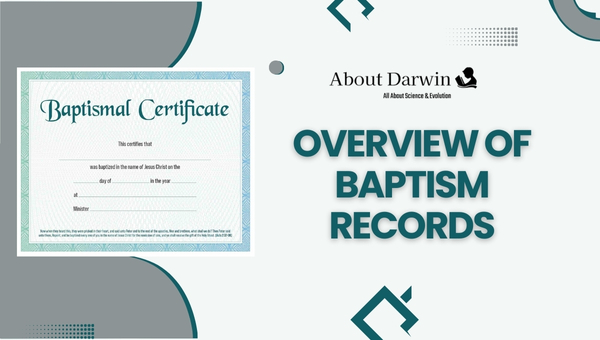
Parish priests maintained these records with religious precision, often recording entries in Latin through the mid-20th century. The consistent format across decades makes them relatively straightforward to interpret once you understand the standard fields. Many registers include marginal notes about subsequent sacraments like confirmation or marriage, creating a lifelong trail of religious documentation that follows the individual across parishes and even dioceses.
Understanding which diocese holds your ancestors’ records is essential before beginning your search. New York State contains eight distinct Catholic dioceses, each covering specific counties and maintaining separate archival systems. Records from one diocese cannot be accessed through another, making geographic identification your first research priority.
The Archdiocese of New York, established in 1808, covers New York City and seven surrounding counties. This is the largest and most genealogically significant jurisdiction, containing records from over 270 parishes. The Diocese of Brooklyn, created in 1953 from territory formerly part of the Archdiocese, covers Kings and Queens counties with its own distinct archival collection. Many researchers confuse these boundaries, particularly when searching for ancestors in Brooklyn or Queens before 1953.
Upstate New York contains six additional dioceses. The Diocese of Albany covers 14 counties in the Capital Region and North Country. The Diocese of Buffalo serves eight counties in Western New York. The Diocese of Rochester covers 12 counties in the Finger Lakes region. The Diocese of Syracuse encompasses seven central New York counties. The Diocese of Ogdensburg manages 12 counties in the northernmost part of the state. Finally, the Diocese of Rockville Centre, established in 1957, covers Nassau and Suffolk counties on Long Island.
Each diocese maintains different access policies and fee structures. The Archdiocese of New York has digitized the most records through its Findmypast partnership, while smaller dioceses may require direct written requests to individual parishes. Some upstate dioceses have deposited older records at the New York State Archives or local historical societies, creating additional access points for researchers.
Access to New York Catholic baptism records varies significantly depending on the diocese, time period, and your relationship to the person named in the record. Most dioceses follow a general 100-year privacy policy, meaning baptism records less than a century old remain restricted to the baptized individual, their parents, or legal representatives with proper documentation.
For genealogical research purposes, records older than 100 years are generally considered public and accessible to anyone. The Archdiocese of New York has made millions of these historical records available through the Catholic Heritage Archive on Findmypast, covering baptisms from 1785 through 1915. This digital collection represents the most comprehensive online resource for New York Catholic genealogy, though it requires a subscription for full access.
When searching online databases, you can typically query by ancestor name, parent names, parish, date range, or county. The transcription quality varies by collection, so try multiple spelling variations of surnames. Latin entries may require understanding basic sacramental terminology, though most online indexes have been translated or include both Latin and English versions of names.
Individual parishes maintain their own sacramental registers even when records have been digitized or microfilmed. The original books remain parish property and are typically stored in parish offices, church safes, or diocesan archives. Coverage varies dramatically between parishes, with some Manhattan churches holding records dating to the 1780s while newer suburban parishes may only have records from the mid-20th century.
Parish mergers and closures complicate record location. When parishes combine, records usually transfer to the surviving parish. Closed parish records may go to diocesan archives or nearby churches with historical ties. The Vicar General’s Office at each diocese can help locate records from defunct parishes, though response times vary from weeks to several months depending on staff availability and record complexity.
Successful searching of New York Catholic baptism records requires patience, creativity, and systematic approaches. Start by gathering every possible detail about your ancestor before beginning database searches or writing to parishes. Even approximate information helps narrow possibilities when dealing with common surnames in large urban parishes.
Name variations present the most common obstacle. Immigrants often Americanized their names, used different spellings across records, or had their names misheard by English-speaking priests. Search phonetically similar names and consider how accents might have affected transcription. Italian “Giovanni” might appear as “John,” while Irish “Sean” could be recorded as “Shawn” or “John” depending on the priest’s familiarity with Gaelic names.
Parental names provide crucial search criteria, particularly the mother’s maiden name. Catholic records consistently record this information, unlike many civil records of the same era. When searching online databases, enter both parents’ names if known. Even partial information helps; a father’s first name combined with a mother’s maiden surname often identifies the correct family when surnames are common.
Consider the historical parish boundaries rather than modern geographic labels. Your ancestors likely attended the nearest parish, but “nearest” meant walking distance in the 19th century. Immigrants often chose churches serving their specific ethnic community rather than the geographically closest option. Irish families might bypass an Italian parish even if it was closer, instead attending an Irish parish several blocks farther away.
Understanding the waves of Catholic immigration to New York helps explain the distribution and content of baptism records across the state. The first significant Catholic population arrived in the early 19th century, primarily Irish immigrants fleeing famine and economic hardship. These pioneers established many of New York’s oldest parishes, particularly in Manhattan and the Hudson Valley, creating record collections that begin in the 1780s and 1790s.
The mid-19th century brought a massive influx of Irish refugees from the Great Famine, followed by German Catholics seeking economic opportunity. These groups established distinct ethnic parishes where priests spoke their native languages and preserved traditions from their homelands. Baptism records from this period often include notations about parents’ Irish counties or German towns of origin, details rarely found in civil documents.
The late 19th and early 20th centuries saw Italian, Polish, and Eastern European Catholic immigrants transform New York’s religious landscape. Italian parishes proliferated in Manhattan, Brooklyn, and the Bronx, while Polish communities established churches in Buffalo and industrial upstate cities. French Canadian immigrants created Catholic communities in the North Country, generating records in both French and Latin.
This ethnic parish system means that baptism records often reflect specific communities rather than just geographic neighborhoods. A search for Italian ancestors in Manhattan should include both geographic proximity and ethnic parish affiliation in your strategy. The priest recording the baptism likely spoke the family’s language and may have recorded details with cultural understanding that later English translations miss.
When online databases do not contain your ancestor’s record, direct contact with parishes or diocesan archives becomes necessary. This process requires patience, clear communication, and understanding of church administrative procedures. Requests are typically handled by parish secretaries or volunteer staff who may have limited time for genealogical inquiries amid their regular duties.
Begin by identifying the correct parish or diocese using city directories, census records showing address, or family knowledge of church attendance. If the parish has closed, contact the Vicar General’s Office of the appropriate diocese with as much information as possible about the baptism. Include the ancestor’s full name, approximate date of birth or baptism, parents’ names including mother’s maiden name, and any known siblings who might appear in the same register.
Write a clear, concise request letter including a self-addressed stamped envelope for the response. Many parishes appreciate a small donation to offset staff time, though this varies widely. The Archdiocese of New York charges $25 for certified copies of baptismal certificates, with an additional $10 for notarization if needed for legal purposes like dual citizenship applications. Other dioceses have similar fee structures, though some smaller dioceses may provide basic copies without charge.
Response times for sacramental record requests vary dramatically based on parish staffing, record location, and request volume. Active urban parishes with professional staff may respond within two to four weeks. Smaller rural parishes relying on volunteer help might take six to eight weeks or longer, particularly during busy seasons like Lent and Advent when parish staff focus on current pastoral needs.
If you do not receive a response within eight weeks, a polite follow-up letter or phone call is appropriate. Remember that parishes prioritize current sacramental needs over historical requests. Expressing appreciation for their time and offering a donation often encourages favorable attention to your inquiry. Some researchers report success after second or third attempts, particularly when initial requests may have been misplaced or overlooked during busy periods.
Several online platforms now provide access to New York Catholic baptism records, though coverage varies significantly between collections. The Catholic Heritage Archive on Findmypast represents the most extensive resource, containing over eight million records from the Archdiocese of New York dating from 1785 to 1915. This collection includes baptism registers, marriage records, and congregational lists from over 270 parishes.
FamilySearch maintains microfilm copies of many New York Catholic records available through their local Family History Centers. While digitization continues, many upstate New York parish records remain accessible only on microfilm that must be ordered to a center for viewing. The FamilySearch Catalog provides detailed descriptions of available records by parish and diocese, helping researchers identify which microfilms to request.
Ancestry.com includes some New York Catholic records within its broader church collections database, though coverage is less comprehensive than Findmypast for the Archdiocese of New York. MyHeritage has partnered with some Catholic archives internationally, though their New York coverage remains limited compared to other platforms. Always check multiple databases, as indexing and image quality varies between services.
Researchers with French Canadian Catholic ancestors in northern New York should explore the Drouin Collection, available through Ancestry and other genealogical platforms. This massive collection contains Catholic parish records from Quebec and parts of New York, Vermont, and other border states with significant French Canadian populations. Many immigrants from Quebec settled in the Adirondacks and North Country, establishing Catholic communities that appear in both Quebec and New York records.
The Drouin Collection often provides more detail than civil registrations, including witness relationships, godparent connections, and notations about later marriages or deaths recorded in the margins of original registers. French Catholic records typically name more witnesses than Irish or Italian records of the same period, creating richer documentation of community relationships.
Catholic parishes maintain several categories of sacramental records beyond baptisms, each offering unique genealogical value. Understanding these record types helps you build a comprehensive picture of your ancestors’ religious lives and family connections. Each sacrament created documentation that may survive even when civil records have been lost or destroyed.
Baptism records form the foundation, typically recording the date of baptism, child’s name, parents’ names and sometimes their places of origin, godparents’ names, and the officiating priest. Confirmation records, which may appear in separate registers or noted in baptism margins, show the child’s name, age at confirmation, and sometimes the names of confirmation sponsors. These records help establish family presence in a specific parish at a particular time.
Marriage records in Catholic parishes contain extensive information, including the couple’s names, ages, parents’ names, witnesses, and sometimes details about previous marriages or dispensations granted for marriages between close relatives. These records often provide the most complete snapshot of a family unit at a specific moment. Death and funeral records, though less consistently maintained, can provide burial dates and locations that help locate cemetery records.
Some parishes maintained additional records that offer genealogical goldmines. First Communion registers, though less common, confirm a child’s continued presence in the parish several years after baptism. Parish census books or “status animarum” records documented all Catholic families in a parish territory, sometimes including non-attending members. Financial contribution records, while less detailed about relationships, confirm residency and community involvement over extended periods.
Connecting with other researchers and genealogical organizations significantly improves your chances of success with New York Catholic baptism records. Experienced genealogists have already navigated the challenges you will face and can offer shortcuts, translation help, and specific parish knowledge that saves months of frustration.
The New York Genealogical and Biographical Society offers extensive resources for Catholic research, including webinars on sacramental records, research guides for specific dioceses, and member forums where researchers share strategies. Their online collections include transcribed records from some New York City parishes not available elsewhere. Membership provides access to expert staff who can advise on difficult research problems.
Online communities provide real-time assistance from researchers worldwide. Reddit communities like r/Genealogy and r/juresanguinis include members who have successfully obtained New York Catholic records and can share recent experiences with specific parishes. Facebook groups dedicated to New York genealogy or specific ethnic Catholic communities often contain members with deep knowledge of particular parishes or immigrant groups.
Local historical societies in New York counties frequently hold parish record copies, church histories, and cemetery transcriptions that supplement official sacramental registers. The New York State Archives in Albany maintains extensive religious record collections, particularly for upstate dioceses that have deposited older records there. These archives often allow in-person research with fewer restrictions than active parishes.
One of the most challenging aspects of New York Catholic baptism records research involves parishes that have closed or merged with neighboring churches. Urban restructuring, demographic shifts, and priest shortages have led to numerous parish closures, particularly in New York City and industrial upstate cities. Records from these churches do not disappear, but locating them requires understanding the transfer procedures each diocese follows.
When parishes merge, records typically transfer to the surviving parish church. The Archdiocese of New York maintains a list of closed parishes and their current record locations, though this information is not always easily accessible online. Contacting the Vicar General’s Office with specific information about the closed parish often yields guidance about where records were transferred and how to access them.
Some closed parish records have been deposited at diocesan archives rather than transferred to active parishes. The Diocese of Brooklyn, for example, maintains an archives office that holds records from many closed Brooklyn and Queens churches. Upstate dioceses vary in their archival practices, with some maintaining central repositories while others keep records at regional centers or deanery offices.
For parishes closed many decades ago, records may have been transferred multiple times as administrative structures changed. A church that closed in the 1970s might have sent records to a nearby parish that itself closed in the 1990s, with a second transfer sending those combined records to yet another location. Persistence and clear communication about the original parish name and closure date help archivists trace these complex transfer chains.
You can find your baptism record by contacting the Catholic parish where you were baptized. If you do not know the parish, check family papers for a baptismal certificate, ask older relatives, or search your childhood address to identify nearby Catholic churches. The Archdiocese of New York also offers online searching through Findmypast for baptisms before 1915.
Start by asking family members if they remember you being baptized or if they have your baptismal certificate. Check family Bibles, photo albums, or keepsake boxes for documentation. If family sources do not help, contact the parish where your family attended church during your childhood years, providing your full name and approximate birth date.
Yes, you can search for Catholic baptism records through several methods. Online databases like Findmypast offer digitized records from the Archdiocese of New York. FamilySearch provides microfilm records at their local centers. For records not available online, write directly to the parish where the baptism occurred with specific ancestor information including names and dates.
For privacy reasons, you cannot check if another living person has been baptized without their permission or legal authorization. Catholic baptism records less than 100 years old are restricted to the baptized individual, their parents, or legal representatives. Historical records older than 100 years are generally accessible for genealogical research purposes.
When a Catholic parish closes, its sacramental records are typically transferred to a nearby surviving parish or to the diocesan archives. For the Archdiocese of New York, contact the Vicar General’s Office to locate records from closed parishes. Each diocese has its own procedures for record retention and access, so procedures vary across New York State’s eight Catholic dioceses.
The Archdiocese of New York charges $25 for a certified copy of a baptismal certificate, plus an additional $10 if you require notarization. Other New York dioceses have similar fee structures, though some smaller dioceses may provide basic uncertified copies without charge. Always include payment information and a self-addressed stamped envelope with your request to expedite processing.
Response times vary significantly based on parish staffing and record location. Active urban parishes typically respond within two to four weeks. Smaller parishes or requests sent to diocesan archives may take six to eight weeks or longer. Parishes prioritize current sacramental needs over historical requests, so patience is essential when waiting for genealogical record responses.
Some Catholic baptism records are available for free through FamilySearch at their local Family History Centers, though you may need to order microfilm and view it at a center location. Findmypast requires a subscription for full access to the Catholic Heritage Archive, though they occasionally offer free access periods. Ancestry also requires subscription access for most Catholic record collections.
New York Catholic baptism records offer an unparalleled resource for reconstructing your family’s history, particularly for ancestors who arrived during the great waves of Catholic immigration in the 19th and early 20th centuries. These sacramental registers capture details that civil authorities never recorded, preserving relationships, ethnic origins, and community connections across generations.
Success in locating these records requires understanding the eight-diocese structure of New York Catholicism, persistence in searching multiple databases and archives, and patience when dealing with parish administrative processes. Whether you search online through the Catholic Heritage Archive, write to individual parishes, or visit diocesan archives in person, each record you uncover adds depth and color to your family story.
The genealogical journey through Catholic records connects you not just to names and dates, but to the faith communities that sustained your ancestors through their immigrant experience. Each baptism entry represents a moment of hope, a commitment to future generations, and a link in the chain that leads to you. Start your search today, and discover the stories waiting in the sacramental registers of New York’s Catholic parishes.


