Physical Address
304 North Cardinal St.
Dorchester Center, MA 02124
Physical Address
304 North Cardinal St.
Dorchester Center, MA 02124

Tracing your family history can feel like piecing together an elaborate puzzle with missing pieces scattered across decades, continents, and countless records. Many people start their ancestral journey alone, combing through free genealogy websites and building family trees late into the night. But eventually, most hit what genealogists call a “brick wall”—that frustrating point where personal research stalls and the trail runs cold.
This is exactly where the question of how to hire a genealogist becomes relevant. Whether you are facing language barriers with foreign records, dealing with adoptions or unknown parentage, or simply need professional expertise to verify your findings, the right genealogist can transform years of frustration into breakthrough discoveries. This guide walks you through everything you need to know about finding, evaluating, and working with a professional family history researcher.
By the end, you will understand the credential systems that matter, the realistic costs involved, and how to establish a productive working relationship that respects both your budget and your family story.
Before diving into the mechanics of how to hire a genealogist, it is worth understanding when professional help makes the most sense. Many people successfully research their own family history for years, and there is genuine satisfaction in DIY discoveries. However, certain situations strongly warrant bringing in an expert.
Professional genealogists bring specialized skills that go far beyond what subscription websites offer. They understand how to interpret handwritten documents from centuries past, navigate foreign-language archives, and apply the genealogical proof standard to ensure every conclusion is backed by solid evidence. When facing complicated immigration records, military documentation, or probate files, their expertise can save you months or even years of trial and error.
Another compelling reason to hire a genealogist is access to restricted or obscure records. Many historical documents are not digitized and exist only in physical archives, courthouses, or church repositories. Professional researchers often have established relationships with archivists, understand local record-keeping systems, and can physically access materials that would be impossible for you to reach from across the country or overseas. This is particularly valuable when researching ancestors from regions with limited online resources.
Time is another critical factor. If you have a specific deadline—perhaps preparing documentation for a lineage society application like the DAR or SAR, or verifying ancestry for dual citizenship—a professional can work efficiently within your timeframe. They know which records to check first and how to build a research plan that maximizes results while minimizing wasted effort.
Perhaps most importantly, professional genealogists provide objectivity. When we research our own families, we often bring assumptions and family legends that color our interpretation of evidence. A hired researcher approaches your case with fresh eyes and professional methodology, often uncovering truths that contradict cherished family stories—but these truths are backed by documentation and rigorous analysis.

Before you reach out to any professional, take time to clearly define what you are looking for. This preparation not only helps you communicate effectively with potential genealogists but also ensures you receive accurate estimates and relevant deliverables. The more organized you are before making contact, the smoother the entire process will be.
Understanding exactly what you want to achieve is the foundation of any successful genealogical project. Are you looking to break through a specific brick wall ancestor? Do you need comprehensive documentation for a lineage society application? Or are you seeking to build a complete family tree spanning multiple generations? Each goal requires a different approach and time investment.
Consider creating a written list of your objectives. Start with what you already know—names, dates, locations—and clearly mark where your own research has stalled. Document any family stories or legends you would like verified or debunked. If your interest lies in specific areas like DNA genealogy, ethnic heritage verification, or citizenship by descent applications, make these priorities clear from the outset.
It is also helpful to distinguish between must-have information and nice-to-have details. Essential research should take priority, while secondary interests can be addressed if time and budget allow. This helps your genealogist allocate resources effectively and prevents scope creep that could inflate costs unexpectedly.
The breadth of your project directly impacts both timeline and budget. Be explicit about whether you want full lineage research tracing every branch of your family tree, or a focused investigation on a specific ancestral line. Direct ancestor research—following only parent-child relationships leading to you—tends to be more straightforward than investigating extended families with all siblings, spouses, and collateral relatives.
Geographical scope is equally important. Domestic research within the United States generally proceeds faster than international investigations, which may involve foreign languages, different record-keeping systems, and potential travel requirements. If your ancestors came from countries with limited digitization like Italy, Poland, or certain regions of Germany, your project will likely require specialized expertise and additional time.
Finally, consider historical time periods. Records from the twentieth century are typically more accessible than those from the eighteenth or nineteenth centuries. Some regions lack vital records before certain dates, requiring creative use of alternative sources like land deeds, tax lists, or church registers. Discussing these constraints upfront helps set realistic expectations about what can actually be discovered.
Also Read: How to Organize Your Genealogy – Tips for Every Historian

Finding a qualified genealogist requires knowing where to look. While general internet searches can yield results, the most reliable professionals are typically found through established professional organizations and directories that verify credentials and maintain ethical standards.
The Association of Professional Genealogists (APG) maintains a searchable directory of nearly 3,000 members worldwide. This is often the best starting point because APG members agree to a code of ethics and professional standards. You can search by geographic specialty, research focus, or language skills to find someone whose expertise matches your specific needs.
For those seeking the highest level of verified expertise, the International Commission for the Accreditation of Professional Genealogists (ICAPGen) lists researchers who have passed rigorous testing in specific geographic regions. An AG (Accredited Genealogist) credential from ICAPGen indicates that the professional has demonstrated advanced knowledge in a particular area—whether that is the United States, the British Isles, Germany, or other regions.
The Board for Certification of Genealogists (BCG) offers another tier of credentialing. A CG (Certified Genealogist) has submitted work samples demonstrating mastery of research standards, evidence analysis, and written reporting. The BCG website includes a directory of certified professionals searchable by specialty.
Beyond directories, consider seeking recommendations from local historical societies, genealogy libraries, or online communities. Reddit forums like r/Genealogy and specialized Facebook groups often contain firsthand accounts of working with specific professionals. Personal referrals can provide insights into communication style, reliability, and quality of deliverables that directories cannot capture.
When you have identified potential candidates, review their websites and online presence carefully. Look for sample reports, case studies, or published articles that demonstrate their research methodology and writing quality. A professional genealogist should be able to explain their process clearly and provide examples of past work (with client information redacted for privacy).
Not all genealogists offer the same level of expertise, and understanding the credential landscape is essential when you hire a genealogist for your project. Credentials matter because they provide third-party verification that a professional has met rigorous standards in research methodology, evidence analysis, and ethical practice.
The genealogy field has three primary credentialing bodies, each with different focuses and requirements. Understanding these distinctions helps you match the right expertise to your specific research needs.
| Credential | Governing Body | Focus | Best For |
|---|---|---|---|
| CG (Certified Genealogist) | Board for Certification of Genealogists | Research standards, evidence analysis, written reporting | Complex research problems, lineage society applications, written proof arguments |
| AG (Accredited Genealogist) | ICAPGen | Geographic region expertise | International research, region-specific records, language skills |
| QG (Qualified Genealogist) | Various qualifying bodies | Professional practice standards | General research, client management, ethical compliance |
A CG credential indicates that the genealogist has submitted portfolio work demonstrating mastery of the Genealogical Proof Standard, including reasonably exhaustive searches, complete source citations, analysis and correlation of evidence, resolution of conflicting information, and a soundly reasoned conclusion. This credential is particularly valuable for complex cases requiring written proof arguments or lineage society applications.
An AG credential from ICAPGen demonstrates expertise in a specific geographic region. To earn accreditation, genealogists must pass comprehensive testing on records, history, and research methods for their chosen region. If your research involves Italian, German, British, or other international records, an AG with that specific regional accreditation is often your best choice.
While credentials are important indicators of expertise, they are not the only factor to consider. Experience, specialization, and communication style also matter significantly. Some excellent researchers may not hold formal credentials but have decades of practical experience and strong reputations within the genealogy community.
Before committing to a genealogist, request sample reports or research summaries from previous projects. These documents reveal important details about their work quality: Are sources fully cited? Is the reasoning clear and logical? Do they explain conflicting evidence and how they resolved it? Professional reports should read like mini-case studies that could be replicated by another researcher using the same sources.
Client testimonials offer another valuable perspective. Look for specific details rather than generic praise. Did the genealogist communicate regularly? Did they stay within budget? Were they honest about what could and could not be found? A reputable professional will have references available, though they should maintain client confidentiality by not revealing private family details.
Consider whether the genealogist has published articles, presented at conferences, or contributed to the field beyond client work. Active involvement in organizations like the National Genealogical Society or regional historical societies often indicates a commitment to ongoing education and professional development.
Unfortunately, not everyone offering genealogy services operates with professional standards. Being aware of warning signs can protect you from scams, inflated costs, and disappointing results. While most genealogists are honest professionals, knowing what to avoid is as important as knowing what to seek.
Be wary of anyone who guarantees results. No ethical genealogist can promise to find a specific ancestor or resolve a particular research problem. Historical records are incomplete, destroyed by fires and wars, or simply never created in the first place. A professional should be able to explain what they will attempt and what sources they will check, but they cannot guarantee success. Anyone promising definitive answers before beginning research is not being honest about the realities of historical documentation.
Vague or evasive answers about credentials should also raise concern. A legitimate professional will clearly explain their training, certifications, and areas of expertise. If someone claims to be “certified” without specifying by which organization, or if they cannot provide documentation of their credentials, proceed with caution. You can verify CG credentials through the Board for Certification of Genealogists website and AG credentials through ICAPGen.
Pressure tactics and high upfront costs are additional red flags. While retainer agreements are normal for ongoing projects, be cautious of genealogists who demand large sums before any work begins or who push you toward expensive packages without understanding your needs. Professional researchers should offer a consultation to assess your project before quoting a price, and they should explain exactly what deliverables you will receive.
Lack of a written contract is perhaps the biggest warning sign. Every professional engagement should include a written agreement outlining scope of work, fees, payment terms, deliverables, timeline expectations, and confidentiality provisions. Working without a contract leaves both parties vulnerable to misunderstandings and disputes.
Finally, trust your instincts about communication style. If a genealogist is consistently slow to respond during initial inquiries, dismissive of your questions, or unclear about their process, these patterns will likely continue throughout your working relationship. Good communication is essential for successful collaboration.

Understanding the financial aspects of professional genealogy research is essential for planning your project. Costs vary widely based on the genealogist’s experience level, geographic location, project complexity, and the types of records involved. Having realistic expectations about pricing helps you budget appropriately and avoid surprises.
Professional genealogists typically structure their fees in one of several ways. Hourly rates are the most common arrangement, with experienced professionals charging between $50 and $200 per hour depending on their credentials and specialization. Highly credentialed genealogists with CG or AG designations, or those with rare language skills or access to restricted archives, command rates at the higher end of this spectrum. When discussing hourly arrangements, ask about minimum hour commitments and whether different activities (research, analysis, report writing, travel) have different rates.
| Fee Structure | Best For | Considerations |
|---|---|---|
| Hourly Rate ($50-$200/hr) | Ongoing research, uncertain scope, brick wall problems | Requires trust; track hours carefully; ask for regular updates |
| Project-Based Flat Fee | Well-defined goals with clear deliverables | Clarify scope boundaries; understand change order process |
| Package Deals | Starter research, lineage society prep, document retrieval | Know what is included; understand additional costs |
| Retainer Agreements | Long-term projects, ongoing family history programs | Upfront payment; regular accounting; clear termination terms |
Project-based flat fees offer predictable budgeting for well-defined projects. The genealogist quotes a total price for delivering specific results, such as identifying an unknown parent or building a five-generation pedigree chart. Flat fee arrangements work best when the scope is clear from the outset. Be sure to discuss what happens if unexpected complexities arise or if records are not available as anticipated.
Package deals combine set hours with defined deliverables at a fixed price. These are popular for lineage society applications or initial family tree building. Before purchasing a package, understand exactly what is included and what constitutes an additional charge. Document retrieval fees, copy costs, database subscriptions, and travel expenses are often billed separately from professional time.
Retainer agreements suit clients with ongoing research needs. You pay an upfront sum from which the genealogist deducts hourly charges as work progresses. This arrangement requires regular accounting statements showing hours worked and balance remaining. Retainers work well for extensive multi-phase projects but require clear communication about when the retainer needs replenishing.
Establishing your budget before beginning the hiring process helps you focus on professionals whose rates align with your resources. Be transparent about your financial limitations during initial consultations. A reputable genealogist will help you understand what is realistically achievable within your budget and may suggest phased approaches that spread costs over time.
Request detailed written estimates before committing to any work. Itemized quotes should break down anticipated costs including research time, analysis, report preparation, and any anticipated third-party expenses like document copies or archive access fees. Understanding what is included helps prevent scope creep and ensures you are comparing equivalent services when evaluating multiple professionals.
Written contracts should formalize all financial agreements. The contract needs to specify the fee structure, payment schedule, how additional expenses will be handled, and what happens if the research encounters unexpected obstacles. Both parties benefit from clear documentation of expectations, deliverables, and costs.
Also Read: Best Genealogy Books 2026: Expert Reviews for Family History
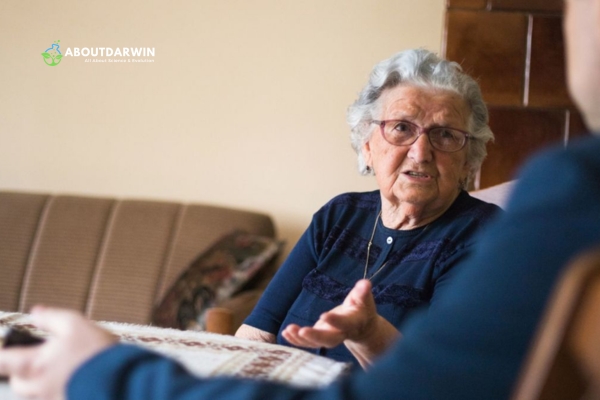
Successful genealogical research depends heavily on clear communication between client and researcher. From the initial consultation through final deliverables, maintaining an open dialogue ensures that expectations align and that the research addresses your true priorities.
Begin by clearly articulating what you already know and what you hope to discover. Share all relevant documents, family stories, and previous research—even attempts that failed. Failed searches tell a professional where not to look and may reveal gaps in your approach. Be honest about which branches of your family tree interest you most, as this helps the genealogist prioritize efforts within your budget.
Discuss deliverables in detail before work begins. Will you receive a formal research report with full citations? Family group sheets? Pedigree charts? Digital copies of discovered documents? Understanding exactly what you will receive prevents disappointment when the project concludes. If you need specific formats for lineage society applications or legal proceedings, communicate these requirements upfront.
Agree on a communication schedule that works for both parties. Some clients prefer weekly email updates; others want monthly comprehensive reports. The key is establishing expectations at the start so you are not left wondering about progress or feeling micromanaged.
Choose communication methods that support your working relationship. Email works well for detailed information and document sharing. Video calls can clarify complex findings or discuss unexpected discoveries. Some genealogists use project management platforms that allow you to track progress in real time. Whatever system you choose, ensure it facilitates rather than complicates your collaboration.
Be responsive when your genealogist requests information or clarification. Delays in client communication can stall research, especially when access to restricted records or family members’ cooperation is needed. Prompt responses keep the project moving forward efficiently.
Stay open to adjusting the research plan based on findings. Genealogy is unpredictable—records may be missing, family stories may prove false, or unexpected connections may emerge. A flexible approach allows the research to follow evidence wherever it leads, often yielding more interesting results than rigid adherence to preconceived notions.
Professional genealogy involves handling sensitive personal information about living and deceased individuals. Understanding the legal and ethical framework surrounding this work protects both you and the subjects of your family history research.
Discuss confidentiality protocols before sharing any personal information. Professional genealogists should have clear policies about how they store, secure, and eventually dispose of client data. Ask specifically about their practices regarding digital security, backup procedures, and retention schedules. Your family information deserves the same protection you would expect from other professionals handling sensitive data.
If your research involves living relatives, consider the privacy implications of sharing their information. While historical records about deceased ancestors generally pose few legal issues, information about living individuals may be subject to privacy laws like GDPR in Europe or various state regulations in the US. A knowledgeable genealogist will help you navigate these concerns appropriately.
Clarify who will have access to your information within the genealogist’s practice. If they work with assistants or subcontractors, understand what information those individuals will see and what confidentiality agreements bind them. Your privacy should be protected throughout the entire research chain.
Ownership of research results should be clearly established in your contract. Typically, you should retain full rights to any reports, charts, or documentation produced for you once payment is complete. However, some genealogists may wish to retain the right to use anonymized examples of their work for professional portfolios or educational presentations. Discuss these possibilities upfront and ensure the written agreement reflects your wishes.
If the research may be published—whether in a family history book, blog, or academic article—discuss attribution expectations. Both you and the genealogist may deserve credit for contributions to discoveries. Establishing these terms before work begins prevents disputes later when exciting findings emerge.
Understanding these legal and ethical dimensions creates a foundation of trust for your working relationship. When both parties are clear about privacy protections and intellectual property rights, you can focus on the rewarding work of discovering your family’s past.
Look for verifiable credentials like CG (Certified Genealogist) or AG (Accredited Genealogist), membership in professional organizations like APG, and positive client testimonials. Request sample reports to assess their research quality and written communication skills. Verify they provide written contracts, maintain clear communication, and have experience with your specific research needs—whether that involves particular geographic regions, time periods, or types of records.
Professional genealogists typically charge between $50 and $200 per hour depending on their credentials, experience, and specialization. Highly credentialed professionals with CG or AG designations, or those with rare language skills, command rates at the higher end. Project-based flat fees and package deals are also common for well-defined research goals. Additional expenses may include document retrieval fees, archive access costs, and travel expenses, which are usually billed separately from professional time.
Hiring a genealogist is worth it when you have hit a persistent brick wall in your research, need expertise in foreign-language records or international archives, or face time constraints for specific deadlines like lineage society applications or citizenship by descent. Professional researchers bring specialized skills, access to restricted records, and objective analysis that can transform years of personal frustration into breakthrough discoveries. However, for straightforward research using readily available online records, DIY exploration through free genealogy websites may be more cost-effective.
The golden rule of genealogy is to always cite your sources. This fundamental principle means documenting where every piece of information originates, whether from birth certificates, census records, immigration documents, or family interviews. Proper citation allows others to verify your findings, helps you retrace your steps when needed, and establishes the credibility of your research. Professional genealogists follow the Genealogical Proof Standard, which builds upon this rule by requiring reasonably exhaustive searches, complete source citations, analysis and correlation of evidence, resolution of conflicting information, and a soundly reasoned conclusion.
Before contacting a genealogy expert, gather as much basic information as possible including names of ancestors, birth and death dates, marriage details, and places of residence. Compile any existing family records, stories, or legends you wish to verify. Create a clear list of your research goals and specific questions you hope to answer. Organizing this information beforehand helps the genealogist understand your project scope and provide accurate estimates. Take time to organize your genealogy research and identify where your own efforts have stalled.
The time frame for professional genealogy research varies significantly based on project complexity. Simple lineage verification might take days to a few weeks, while comprehensive multigenerational analysis or brick wall research could take several months. International research often requires additional time due to language barriers, foreign archive systems, and potential communication delays. Your genealogist should provide a realistic timeline estimate during the initial consultation and keep you updated if unexpected obstacles arise that affect the schedule.
No reputable genealogist will guarantee specific results because historical records are incomplete and sometimes nonexistent. Records may have been destroyed by fires, wars, or natural disasters, or may never have been created in certain times and places. What a professional does guarantee is thorough methodology, exhaustive searches of available sources, proper citation of all findings, and honest reporting about what can and cannot be discovered. They should provide the most accurate findings possible given available resources while being transparent about limitations and uncertainties.
Also Read: How Much DNA Do First Cousins Share? We’ve Got the Facts!
Learning how to hire a genealogist opens doors to discovering family stories that might otherwise remain hidden forever. The journey from amateur researcher to professional collaboration represents a significant step in your ancestral quest—one that brings expertise, access, and objectivity to the search for your roots.
By understanding your own research goals, knowing where to find credentialed professionals, recognizing the warning signs of unreliable operators, and establishing clear communication and budget parameters, you set the foundation for a successful partnership. Whether you need help breaking through a stubborn brick wall, accessing foreign archives, or preparing documentation for lineage societies, the right genealogist can transform years of frustration into meaningful discoveries.
As you consider taking this step, remember that professional genealogy is an investment in your family’s legacy. The documentation and stories uncovered today become treasured heirlooms for future generations. Take time to evaluate potential researchers carefully, ask the questions that matter to you, and choose a professional whose expertise aligns with your specific needs. Your ancestors’ stories are waiting to be told—sometimes, finding the right guide makes all the difference in bringing those stories to light.