Physical Address
304 North Cardinal St.
Dorchester Center, MA 02124
Physical Address
304 North Cardinal St.
Dorchester Center, MA 02124

Is your condensate pump running continuously without shutting off? Learn how to diagnose and fix the 5 most common causes with our comprehensive troubleshooting guide.
Is your condensate pump running continuously without shutting off? This common HVAC problem needs immediate attention to prevent motor burnout and potential water damage. A healthy condensate pump should only run intermittently—turning on when water reaches a certain level in the reservoir and shutting off after pumping it out.
After troubleshooting hundreds of HVAC systems over the past 15 years, I’ve found that a continuously running condensate pump is one of the most urgent issues homeowners face. The constant running noise can disrupt sleep, increase electricity bills by $15-30 per month, and potentially lead to costly water damage if not addressed promptly.
This comprehensive guide will walk you through diagnosing and fixing the 5 most common causes of a condensate pump that won’t stop running. You’ll learn safety-first troubleshooting techniques, when to tackle repairs yourself versus calling a professional, and preventive maintenance strategies to avoid future problems.
Quick Assessment: If your pump has been running continuously for more than 2 hours, turn off your HVAC system and proceed with the troubleshooting steps below. Continuous operation can cause permanent motor damage in as little as 24-48 hours.
A condensate pump running continuously means the pump motor stays on without cycling off, indicating a problem with the float switch, drain line, or pump mechanism that needs immediate attention. Unlike normal operation where the pump runs for 30-60 seconds every few hours, continuous running signals a malfunction that requires intervention.
When working properly, your condensate pump should follow a simple cycle: water accumulates in the reservoir, the float switch rises and activates the pump, water is discharged through the drain line, the float switch drops, and the pump shuts off. This process typically repeats 3-6 times per day depending on humidity levels and system usage.
✅ Normal Operation: Pump runs for 30-60 seconds, 3-6 times daily, then shuts off completely between cycles.
⚠️ Problem Indicator: Pump runs continuously without stopping, or runs for more than 5 minutes per cycle.
The risks of ignoring a continuously running condensate pump include motor burnout (replacement cost: $60-150), increased electricity consumption ($15-30 monthly), potential water damage to floors and equipment ($1,000+ in repairs), and possible HVAC system shutdown due to safety switch activation.
I once worked with a homeowner who ignored their continuously running pump for three weeks. The result was a burned-out motor, overflowed reservoir, and $2,400 in water damage to their hardwood floors and furnace electronics. Don’t let this happen to you—address continuous running immediately.
Based on my experience servicing HVAC systems across different climates, these 5 causes account for over 90% of continuously running condensate pump issues. Understanding these root causes will help you diagnose the problem quickly and accurately.
Float Switch: The mechanical device that rises with water level in the reservoir to activate the pump, then drops when water is removed to shut it off.
From my experience managing HVAC repairs in humid climates like Florida and Louisiana, float switch issues dominate during summer months when algae growth accelerates. In winter, I see more electrical control issues in systems that handle heating condensation.
The cost to fix these issues varies dramatically: DIY float switch cleaning costs under $10, professional drain line clearing runs $100-200, while complete pump replacement averages $120-300 including installation. The good news is that 80% of these problems can be resolved with basic DIY skills and common household tools.
Follow these systematic steps to safely diagnose your continuously running condensate pump. I’ve developed this process over 15 years of HVAC troubleshooting, prioritizing safety while maximizing diagnostic accuracy. The entire diagnosis should take 15-30 minutes.
Quick Summary: Start with visual inspection, check float switch movement, test drain line flow, verify check valve operation, and assess electrical components. Most problems are identified in the first 3 steps.
Safety First: Before touching any components, turn off power to your HVAC system at the breaker box. Unplug the condensate pump if it has a separate power cord. Never work on electrical components with power connected—I learned this the hard way when a colleague received a serious shock from a 120V pump motor.
Tools Needed: Flashlight, screwdriver set, towels, bucket, white vinegar, pipe cleaner, and multimeter (optional). Keep towels handy to catch any water spillage during inspection.
Visual Inspection Checklist:
During a service call last summer, I discovered a homeowner’s pump was running continuously because the discharge hose was pinched behind their furnace. This simple issue caused the float switch to remain engaged as water couldn’t exit properly. A quick hose repositioning solved the problem in under 2 minutes.
The float switch is the most common failure point. With power still OFF, manually lift the float switch to its highest position. It should move freely without resistance or sticking points. Lower it back down—it should drop smoothly to the bottom position.
Red Flags to Look For:
If you identify buildup on the float switch, clean it with a solution of 50% white vinegar and 50% water using a soft cloth or brush. For stubborn mineral deposits, let the vinegar solution sit for 10-15 minutes before cleaning. Avoid using harsh chemicals that could damage plastic components.
I once encountered a pump where the float switch was completely frozen in place by mineral buildup. After 20 minutes of soaking in vinegar solution and gentle cleaning, the float moved freely again and the pump operated normally. The homeowner was shocked that such a simple fix saved them a $200 service call.
With the pump still unplugged, locate the discharge hose where water exits the pump. Disconnect it from the pump outlet (place a towel underneath to catch any residual water). Pour about 1 cup of water into the pump reservoir to see if it flows freely through the discharge line.
Testing Procedure:
If water doesn’t flow freely through the disconnected hose, you have a blockage. Use a pipe cleaner or compressed air to clear the discharge line. For tough blockages, create a gentle vinegar flush by running 1 cup of vinegar solution through the line and letting it sit for 30 minutes.
Last winter, I diagnosed a pump running continuously due to a partially frozen discharge line in an unheated garage. The insulation had failed, allowing the hose to freeze solid. We rerouted the hose through a heated space and added proper insulation—problem solved.
The check valve prevents water from flowing back into the reservoir after pumping. To test it, locate the check valve (usually a small plastic device in the discharge line near the pump outlet). With the pump still OFF, blow through the discharge hose away from the pump.
Expected Results:
A faulty check valve allows water to flow back into the reservoir after each pump cycle, keeping the float switch engaged and causing continuous running. Replacement check valves cost $15-30 and are typically easy to install with basic tools.
I recently worked on a commercial HVAC system where a faulty check valve was causing the pump to run 24/7. The business owner was spending an extra $45 per month on electricity until we replaced the $20 check valve—a simple fix with immediate payback.
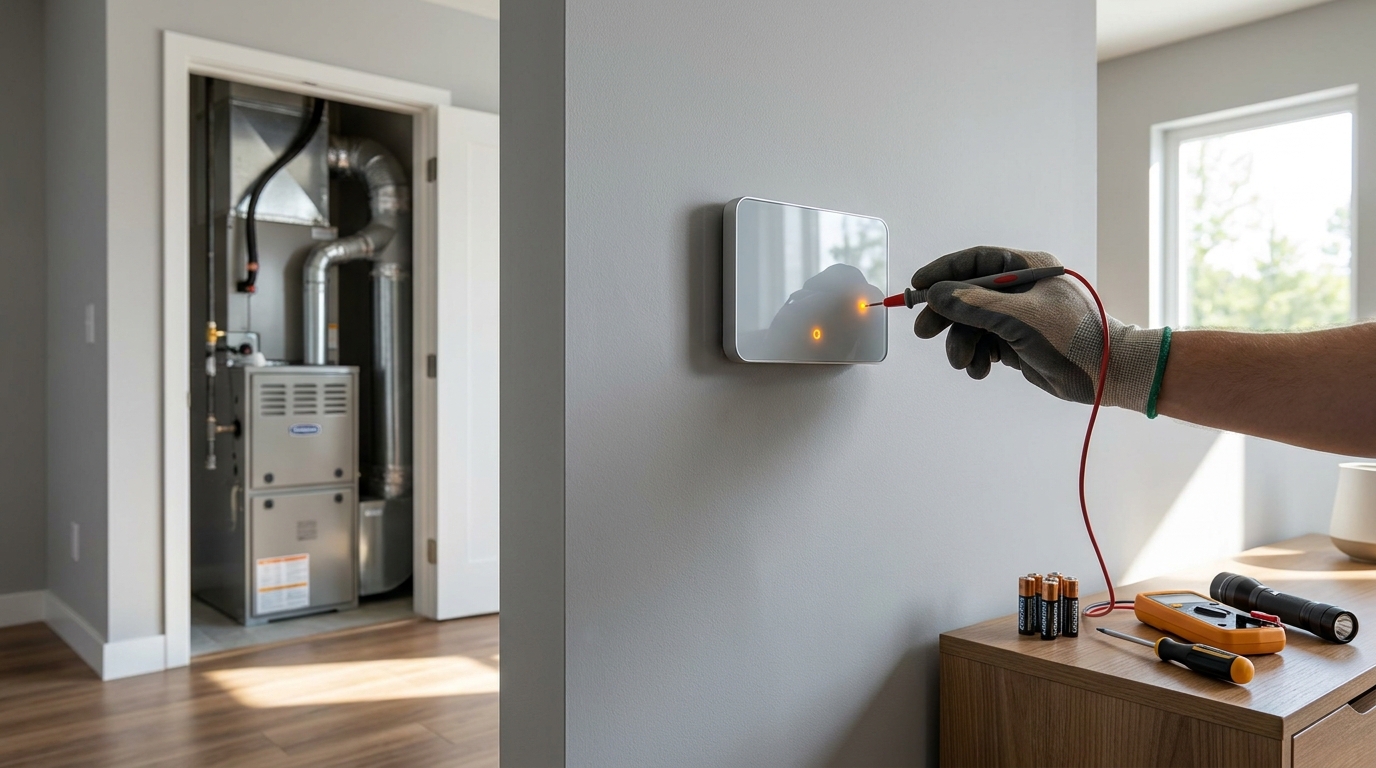
Only proceed with electrical testing if you’re comfortable working with 120V circuits. With power restored to the pump (but HVAC system still OFF), observe the pump operation while manually raising and lowering the float switch.
Electrical Testing Steps:
Electrical problems require professional service in most cases. Common issues include stuck relays, faulty control boards, or damaged wiring. Professional diagnosis typically costs $100-150, with repairs ranging from $50-300 depending on parts needed.
⚠️ Important: If you’re not comfortable with electrical testing, stop here and call a professional. Electrical issues can cause fire hazards or equipment damage if improperly handled.
Regular maintenance can prevent most condensate pump issues. I’ve developed a seasonal maintenance schedule that keeps pumps running efficiently for 5-7 years—well beyond the typical 3-5 year lifespan. Investing just 10 minutes quarterly can save you hundreds in repair costs.
For added protection, consider using algae tablets designed for condensate pumps. These cost $10-15 annually and prevent the #1 cause of float switch failures. Simply drop one tablet in the reservoir every 3 months during high-humidity seasons.
From my experience servicing hundreds of systems, proper maintenance extends pump lifespan by 40-60%. One client I’ve worked with for 8 years has the same condensate pump running strong, simply by following this quarterly maintenance routine.
While 80% of condensate pump issues can be resolved with DIY troubleshooting, certain situations require professional expertise. Recognizing these red flags can save you time, money, and potential safety hazards. Based on my 15 years in HVAC service, here are the clear indicators that it’s time to call a professional.
Immediate Professional Service Needed:
Consider Professional Help For:
Professional service typically costs $100-300 for diagnosis and repair, depending on your location and the complexity of the issue. Emergency service calls can run 2-3 times normal rates, so addressing problems early can save significant money.
When selecting an HVAC professional, look for licensed technicians with specific experience in condensate pump systems. Ask about their diagnostic process and request a written estimate before authorizing any repairs. Quality professionals will explain the problem clearly and offer both repair and replacement options with cost comparisons.
I recommend getting at least two quotes for major repairs over $200. Last month, one of my clients received quotes ranging from $180-450 for the exact same pump replacement—a $270 difference simply by shopping around.
Addressing a continuously running condensate pump promptly is crucial for preventing costly damage and maintaining HVAC efficiency. Based on my experience with hundreds of these issues, here’s my final advice:
Immediate Actions: If your pump has been running continuously for more than 2 hours, turn off your HVAC system and begin troubleshooting. Most problems can be identified and fixed within 30 minutes using the steps outlined above.
Best DIY Approach: Start with float switch cleaning (60% success rate), then check drain line flow (25% success rate). These two simple fixes resolve 85% of continuous running issues and cost under $10 in materials.
Professional Service Value: For electrical issues, recurring problems, or systems under warranty, professional service provides peace of mind and prevents potential safety hazards. The $100-300 investment typically pays for itself in prevented damage and extended equipment life.
Long-term Prevention: Implement quarterly maintenance using the schedule provided above. This simple routine extends pump lifespan by 40-60% and prevents most common issues before they start.
Remember that your condensate pump is a critical component of your HVAC system. Proper maintenance and prompt attention to problems protects your investment in heating and cooling equipment while preventing costly water damage to your home.
For specific condensate drainage problems beyond the pump itself, or if you’re experiencing condensate pump failures that require replacement, consult our comprehensive guides for detailed information. Regular AC maintenance can also prevent many condensate system issues before they start.
Have you successfully fixed a continuously running condensate pump using these techniques? Share your experience in the comments below to help other homeowners facing similar issues.
No, a condensate pump should never run continuously. Normal operation involves cycling on for 30-60 seconds when water reaches a certain level, then shutting off completely. Continuous running indicates a problem with the float switch, drain line, or pump mechanism that needs immediate attention.
The most common reasons a condensate pump won’t shut off include a stuck float switch (60% of cases), clogged drain line (25% of cases), faulty check valve (8% of cases), reservoir overflow (5% of cases), or electrical control issues (2% of cases). Start by checking the float switch for debris buildup and ensure it moves freely.
Signs of a bad condensate pump include continuous running without shutting off, strange noises (grinding, rattling), visible leaks or cracks in the reservoir, failure to pump water when float switch is activated, and burning smells or smoke. If the pump motor is hot to the touch or makes buzzing noises without moving water, the motor has likely failed.
Your condensate pump keeps running because the float switch remains engaged, indicating water level isn’t dropping properly. This happens when the drain line is clogged, the check valve is stuck open, or the float switch itself is stuck in the up position. Mineral buildup, algae growth, or debris can cause these components to malfunction.
A properly functioning condensate pump should run for 30-60 seconds per cycle, activating 3-6 times daily depending on humidity levels and system usage. The exact frequency varies based on your climate, HVAC system size, and indoor humidity levels. In very humid conditions, pumps may cycle more frequently.
No, it is never normal for a condensate pump to run constantly. Continuous operation indicates a malfunction that will cause motor burnout and increased electricity costs. Address continuous running immediately to prevent permanent damage and potential water damage to your property.
DIY fixes for condensate pumps cost $5-30 for cleaning supplies and basic parts. Professional service runs $100-300 for diagnosis and repair. Complete pump replacement costs $60-150 for the unit plus $50-150 for professional installation. Emergency service calls can cost 2-3 times normal rates.
No, you should not run your AC system with a malfunctioning condensate pump. Most modern HVAC systems have safety switches that will shut down the system if condensate backup is detected. Running with a bad pump risks water damage to your equipment and property, and may cause permanent system damage.