Physical Address
304 North Cardinal St.
Dorchester Center, MA 02124
Physical Address
304 North Cardinal St.
Dorchester Center, MA 02124

Finding great gifts for geologists is harder than it sounds. Most people default to generic crystal paperweights or novelty mugs, but geologists and rockhounds are a practical bunch who genuinely value tools they can take into the field. Whether your recipient is a geology student cramming for mineralogy exams, a professional field geologist mapping strata in the rain, or a hobbyist rockhound who spends every weekend at quarry sites, the right gift shows you understand their passion.
I have spent months researching what geologists actually want, pulling insights from Reddit threads where working geologists swap gift recommendations, comparing products across major retailers, and analyzing what gets repeated praise versus what gathers dust. What I found is consistent: practical field gear, genuine specimens, and well-made educational items win every time over decorative trinkets.
This guide covers eight carefully selected gifts for geologists, ranging from under $13 to about $52. I have organized them by category so you can match the gift to the recipient, whether they need a professional rock hammer, a polished ammonite fossil for their desk, or a waterproof field notebook that survives muddy stream beds. Every product on this list is something real geologists recommend and use.
The Reddit geology community repeatedly highlights a few truths that shaped this list. Estwing rock hammers are mentioned more than any other single gift. Polished ammonite fossils are beloved across experience levels. And waterproof notebooks from Rite in the Rain are considered field essentials. Price-wise, the sweet spot for most gift-givers lands between $20 and $50, which is where the majority of these picks fall.


These three represent the categories geologists care about most: a field tool that lasts decades, a hands-on specimen experience, and a precision magnification instrument. The Estwing is the gold standard rock hammer that professionals carry worldwide. The geodes kit delivers an experience rather than just an object, which makes it memorable. And the Hastings loupe is a professional-grade magnifier that geologists use every single day for mineral identification.
| Product | Features | |
|---|---|---|
| Estwing Rock Pick E30 |
|
Check Latest Price |
| National Geographic Geodes Kit |
|
Check Latest Price |
| Hastings 10X Loupe |
|
Check Latest Price |
 National Geographic Pocket Guide National Geographic Pocket Guide |
|
Check Latest Price |
 Funny Geologist T-Shirt Funny Geologist T-Shirt |
|
Check Latest Price |
 KALIFANO Ammonite Fossil Pair KALIFANO Ammonite Fossil Pair |
|
Check Latest Price |
 Rite in the Rain Geological Notebook Rite in the Rain Geological Notebook |
|
Check Latest Price |
 National Geographic Rock Collection 300+ National Geographic Rock Collection 300+ |
|
Check Latest Price |
We earn from qualifying purchases. CERTAIN CONTENT THAT APPEARS ON THIS SITE COMES FROM AMAZON. THIS CONTENT IS PROVIDED 'AS IS' AND IS SUBJECT TO CHANGE OR REMOVAL AT ANY TIME.
Each of these products fills a different niche in a geologist’s life. Some belong in a field pack, some on a bookshelf, and some in a display case. Let me walk through each one in detail so you can find the perfect match.
22 oz forged steel
Pointed tip & square face
Genuine leather grip
Made in USA since 1923
If there is one gift that Reddit geologists mention more than any other, it is the Estwing rock pick. This is not a novelty item or a decorative piece. It is a working tool that professional geologists have relied on since 1923, and giving one to a geologist says you understand what they actually do in the field. The E30 model with its 22-ounce weight and pointed tip is the sweet spot for most fieldwork, from prospecting to academic research.
I included this as my editor’s choice because no other single gift on this list matches its combination of practical utility, brand recognition, and longevity. An Estwing hammer is a tool a geologist will use for decades. Many geologists on Reddit describe inheriting older Estwings from mentors or professors, which tells you everything about the build quality.
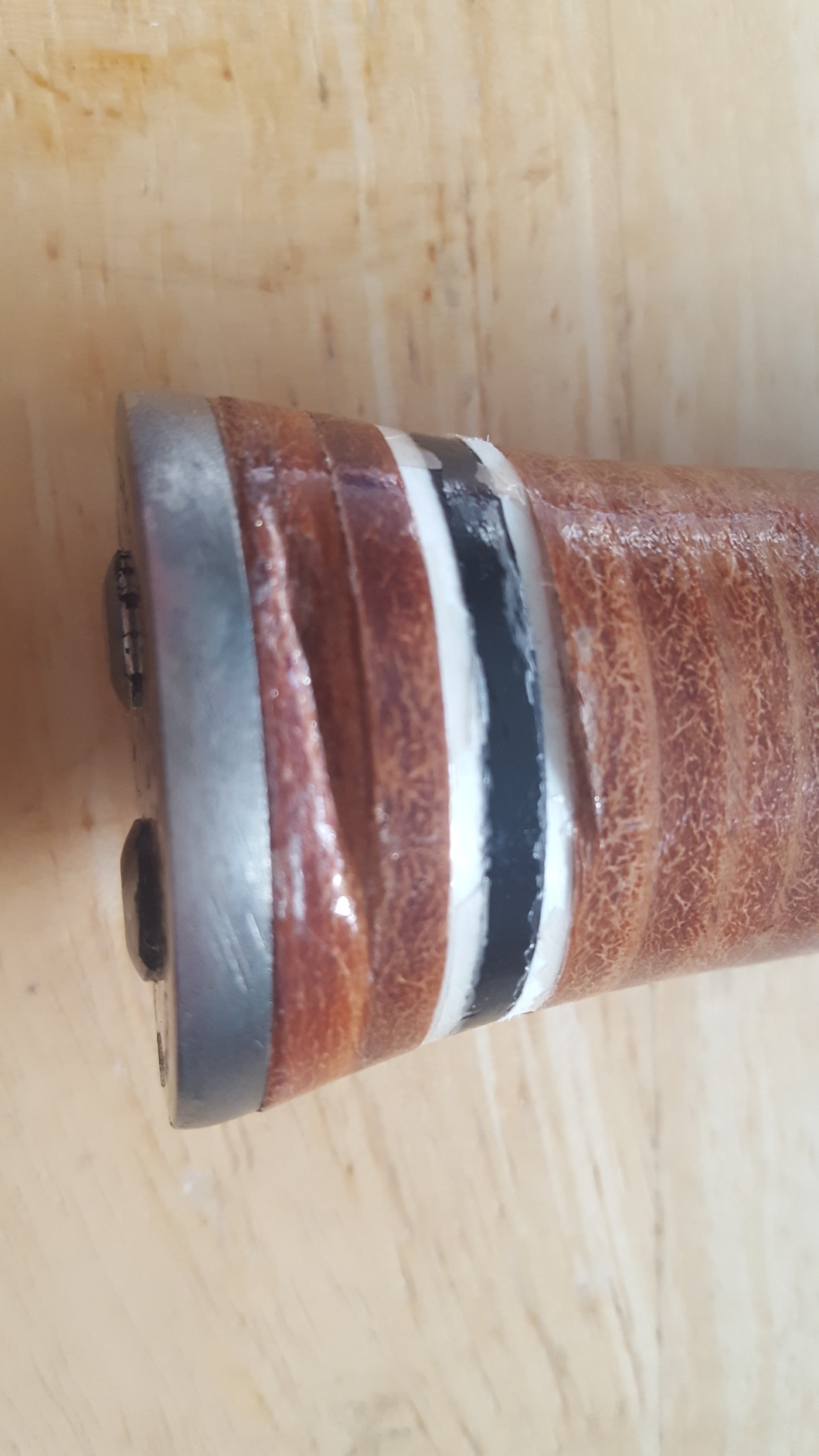
The 4.9-star rating across 906 reviews is remarkable for a hand tool. That kind of satisfaction score reflects a product that consistently meets professional expectations. Users praise the balance, the durability of the forged construction, and the way the leather grip feels after hours of use in the field.
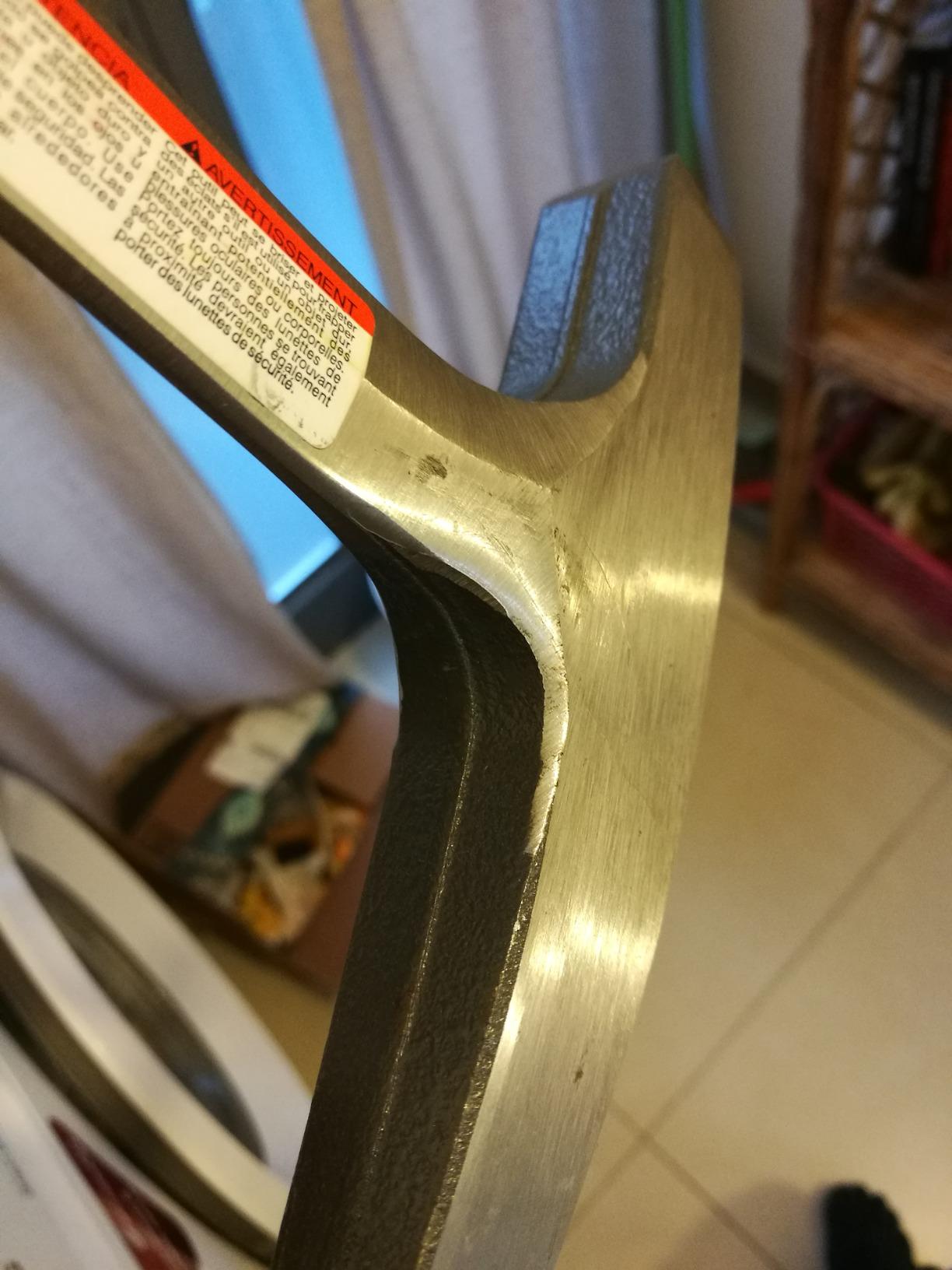
The Estwing E30 is forged in one piece from solid American steel, which means the head and handle are a single continuous piece of metal. There are no joints to loosen, no wedges to fall out, no handle to split. This single-piece forging is why these hammers last for generations. The pointed tip is designed for prying and splitting rocks along cleavage planes, while the square face works for driving chisels or breaking open harder specimens.
At 22 ounces, the weight sits right in the sweet spot for field work. It is heavy enough to deliver real striking force but light enough to carry all day in a pack or on a belt loop. Cheaper hammers use cast construction or two-piece designs with welded joints, and those are the ones that break under serious field use.
The genuine leather grip is hand-sanded and lacquered, giving it a smooth finish that does not cause blisters during extended use. This is one area where the Estwing clearly outclasses cheaper alternatives. The leather absorbs shock better than rubber or synthetic grips, which matters when you are swinging a hammer hundreds of times during a field season.
One thing to note is that the leather grip does require minimal care. A quick wipe with leather conditioner every few months keeps it supple. Geologists who neglect this will find the grip eventually dries out, but it takes years of hard use for that to become a problem.
This is the ideal gift for a geology student heading into their first field camp, a professional who needs to replace a worn-out hammer, or a serious rockhound ready to move beyond a generic hardware store tool. It is not the right choice for a casual collector who never goes into the field, because the pointed tip and 22-ounce weight would be overkill for someone who mostly looks at specimens at home.
If your recipient already owns an Estwing, check the model. The E322P (22 oz pointed) and the E30 (22 oz pointed with leather grip) are different. The E30 with the leather grip is the premium version and makes the better gift. Many geologists carry the same Estwing for 20-plus years, so this is a gift that keeps giving every time they step into the field.
10 premium natural geodes
Safety goggles included
2 display stands
16-page learning guide
The National Geographic Break Open Geodes Kit is one of those rare gifts that works across a wide age range. Kids get the thrill of cracking open rocks to find crystals inside, and adult geology enthusiasts appreciate the natural specimens. With over 31,000 reviews and a 4.5-star rating, this is one of the most popular geology products available anywhere.
I ranked this as best value because it delivers an experience, not just a product. The act of breaking open a geode and discovering what is inside creates a memory. That is what makes it a strong gift choice over a static item that just sits on a shelf. The kit includes 10 geodes, safety goggles, two display stands, and a magnifying glass, so everything needed for the experience is in the box.
The geodes are 100% natural specimens sourced from real mineral deposits. They range from roughly tennis ball to ping-pong ball size, and each one contains different crystal formations. The variety is part of what makes the kit engaging, because you never know exactly what you will find until the geode cracks open.
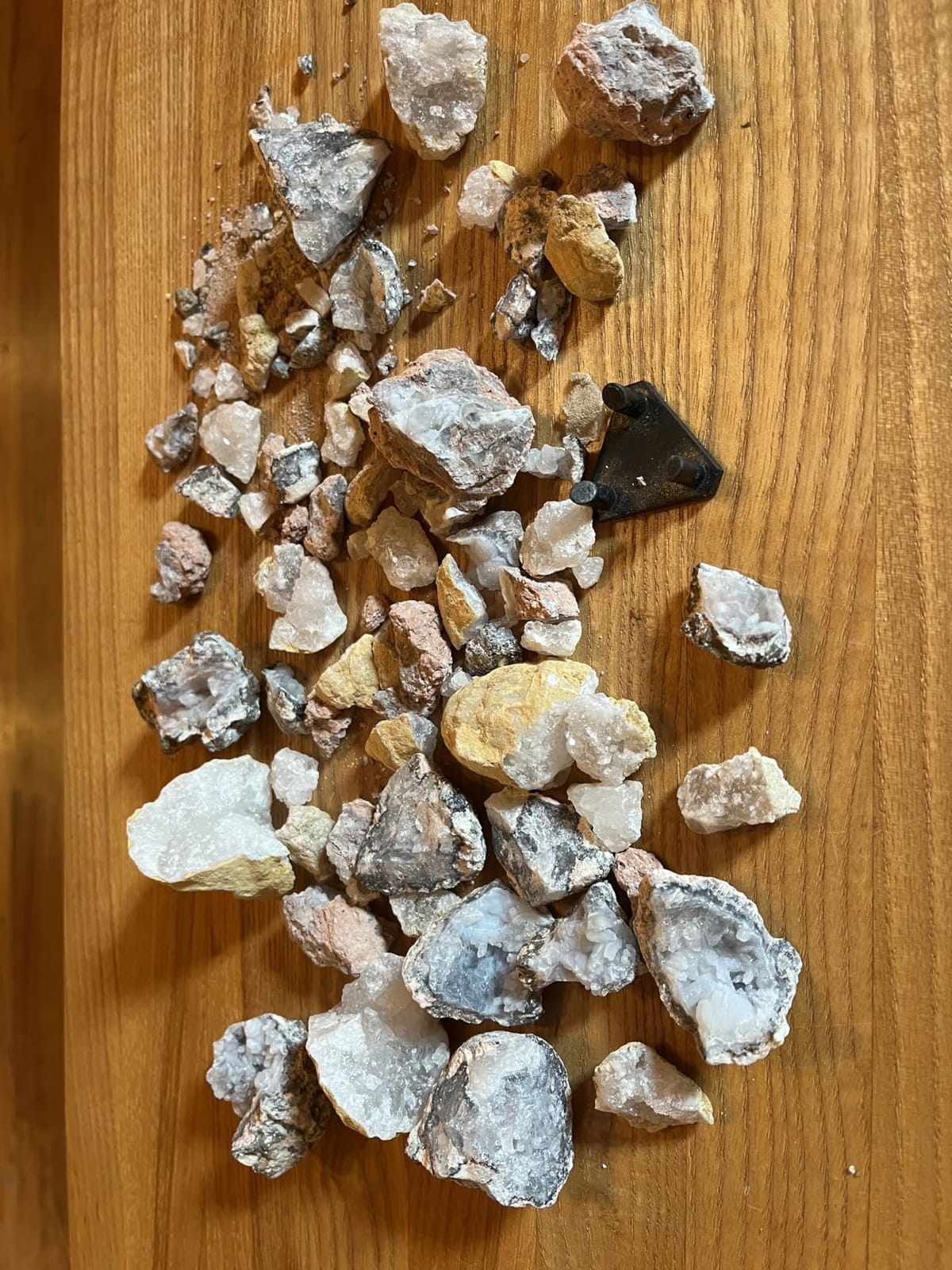
National Geographic hand-selects these geodes for crystal variety, which means the set is curated rather than random. You can expect to see different types of quartz crystals, and some geodes may have hollow interiors lined with sparkling points while others are more solid. This variety is what keeps the experience interesting across all 10 geodes rather than feeling repetitive after the first few.
It is worth setting expectations honestly. Not every geode will be a spectacular showcase piece. Some will have modest crystal formations, and the sizes do vary. But the overall quality is consistently better than what you would find at a tourist shop, and the educational framing adds value beyond the raw specimens.
The included 16-page full-color learning guide explains how geodes form, what crystals to look for, and how to identify different mineral types. This guide is what elevates the kit from a simple activity to a genuine earth science learning experience. For kids interested in geology, it can spark a lasting fascination with rocks and minerals.
The display stands let recipients show off their favorite cracked geodes, which extends the life of the gift beyond the initial activity. Many reviewers mention that their kids keep the opened geodes on shelves for months or years afterward, and the stands make that possible.
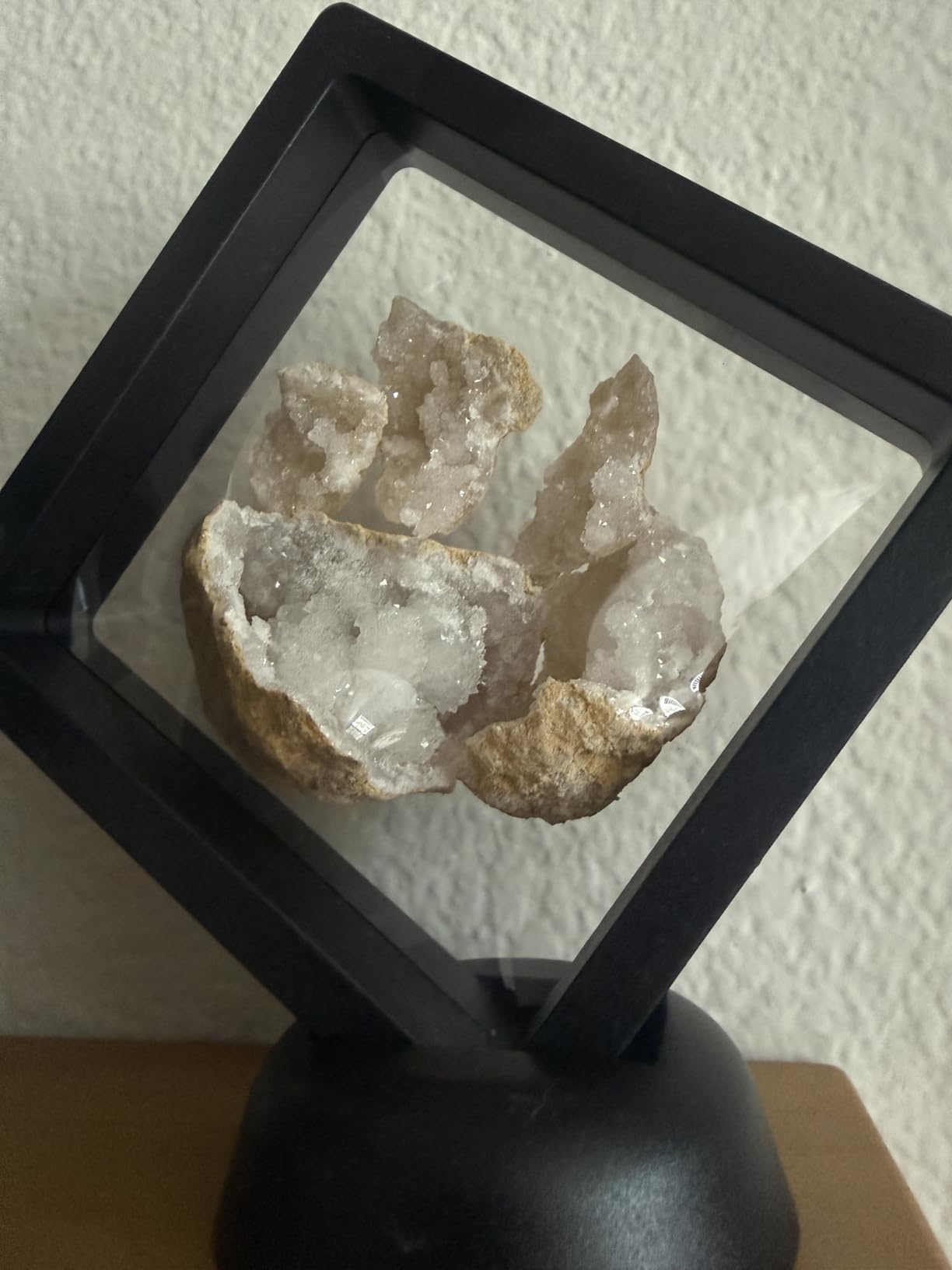
This kit is ideal for kids aged 6 to 14 who show any interest in rocks, science, or hands-on activities. It is also a fun gift for an adult geology enthusiast who appreciates natural specimens, though adults should manage their expectations on geode size. If you are buying for a family, this is a great activity gift that parents and children can do together.
The kit is not the right choice for someone who wants polished, display-ready mineral specimens. The geodes here are raw, and the crystals inside are natural rather than museum quality. But for the price, the experience and educational value are hard to beat.
10X optical grade glass
Brass body triple-plated
Leatherette pouch included
Folding lens housing
A hand lens is one of those tools that every working geologist carries but that most non-geologists never think about. The Hastings 10X Loupe uses the highest optical grade glass element available, which means the magnification is sharp and distortion-free. This is the kind of precision instrument that mineralogists use to identify crystal habits, cleavage planes, and mineral grain structures in the field.
I selected this loupe because forum discussions consistently emphasize that 10X magnification is the standard for geological field work. Lower magnification misses fine details, and higher magnification sacrifices field of view. The Hastings triplet design at 10X is what professionals actually use, and the optical glass quality is noticeably better than cheaper plastic-lens alternatives.
The 4.5-star rating across 130 reviews is solid, though the smaller review count reflects the niche nature of this product. This is a specialized tool, not a mass-market item, and the people buying it tend to know exactly what they need.
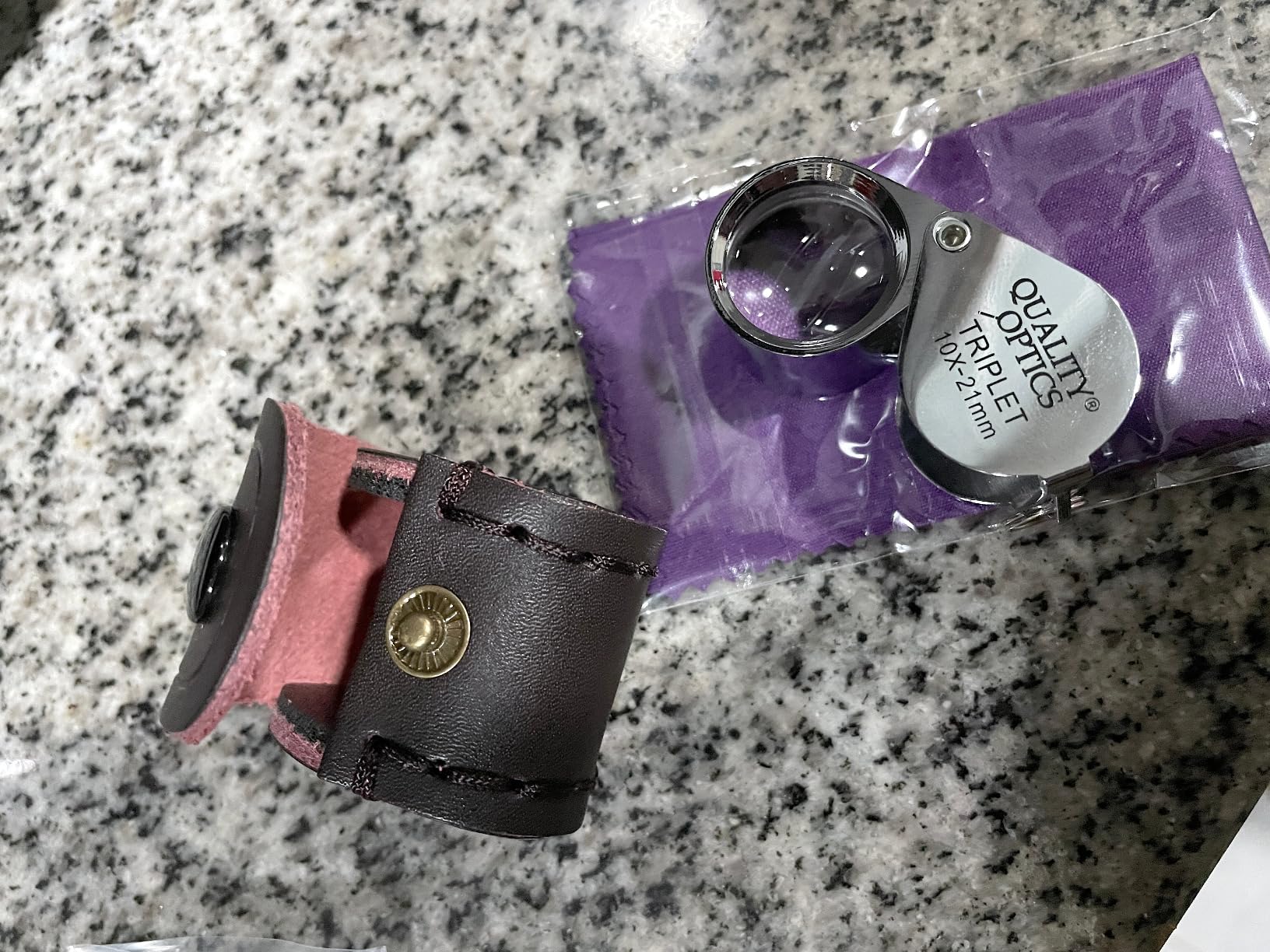
The single most important feature of this loupe is the optical grade glass element. Cheaper loupes use plastic lenses that scratch easily, distort at the edges, and produce chromatic aberration (color fringing) that makes mineral identification harder. The Hastings glass element produces a crisp, flat image across the entire viewing area, which matters when you are trying to distinguish between similar-looking minerals.
The triplet lens design uses three cemented elements to correct for distortion and color separation. This is the same optical approach used in quality camera lenses and microscopes. For mineral identification work, where subtle color and texture differences distinguish one species from another, this optical quality is not a luxury. It is a functional necessity.
The body is triple-plated brass, which gives the loupe a substantial, professional feel in the hand. Brass provides enough weight to hold steady during use without being heavy. The folding housing protects the lens when the loupe is in a pocket or pouch, which is essential because scratched lenses are the most common failure point for field loupes.
The included leatherette pouch provides an extra layer of protection, and the bezel ring bale loop lets you attach the loupe to a lanyard or chain. Many geologists wear their loupe on a lanyard around the neck during field work for quick access, so this attachment point is a practical detail that shows the design was made for actual field use.
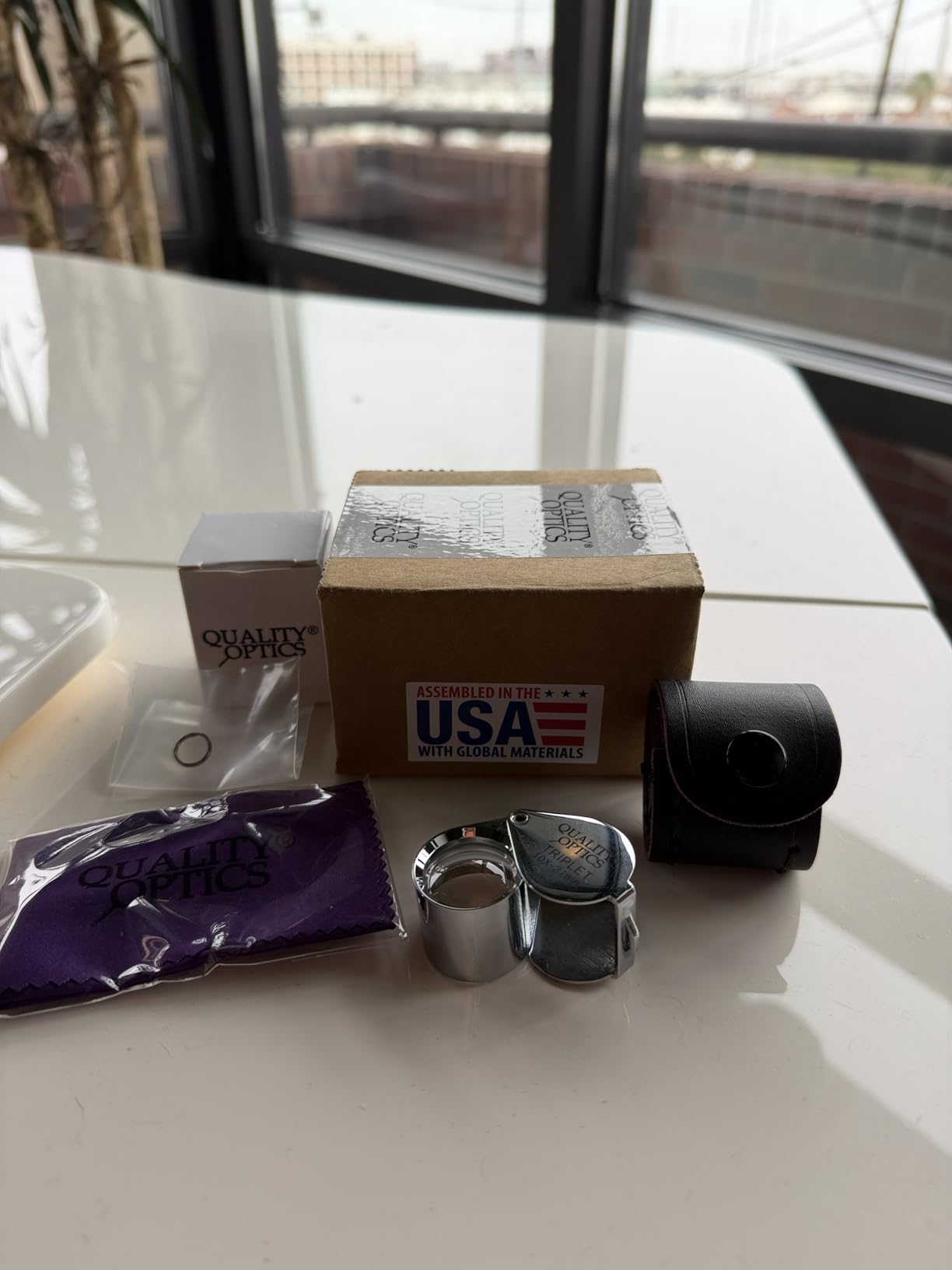
This loupe is the ideal gift for a geology student taking mineralogy or petrology courses, a professional field geologist who needs to replace a worn-out lens, or a serious mineral collector who wants to upgrade from a cheap plastic magnifier. It is not necessary for a casual rockhound who collects pretty specimens without worrying about identification.
If your recipient already has a hand lens, check the magnification. Moving from a single-element plastic lens to a triplet glass lens at 10X is a significant upgrade that they will notice immediately. Many geologists consider a quality hand lens their most-used field tool, even more than a rock hammer, because they use it on every single outcrop.
184 pages full-color
Pocket-sized field guide
Rocks and minerals of North America
Published by National Geographic
A field guide is a classic gift for anyone interested in geology, and the National Geographic Pocket Guide to Rocks and Minerals of North America is one of the best options available at this price point. With 2,413 reviews and a 4.7-star rating, it has clearly resonated with buyers. At under $13, it is also one of the most affordable gifts on this list.
This guide fills a specific niche: a portable, full-color reference that a rockhound can actually carry into the field. Larger reference books are comprehensive but stay on the shelf because they are too heavy for a backpack. This pocket guide is designed to go where the rocks are.
The 184 pages cover rocks and minerals found across North America, with full-color photographs that make identification practical. Authored by Sarah Garlick and published by National Geographic, it carries the credibility of one of the most respected names in earth science education.
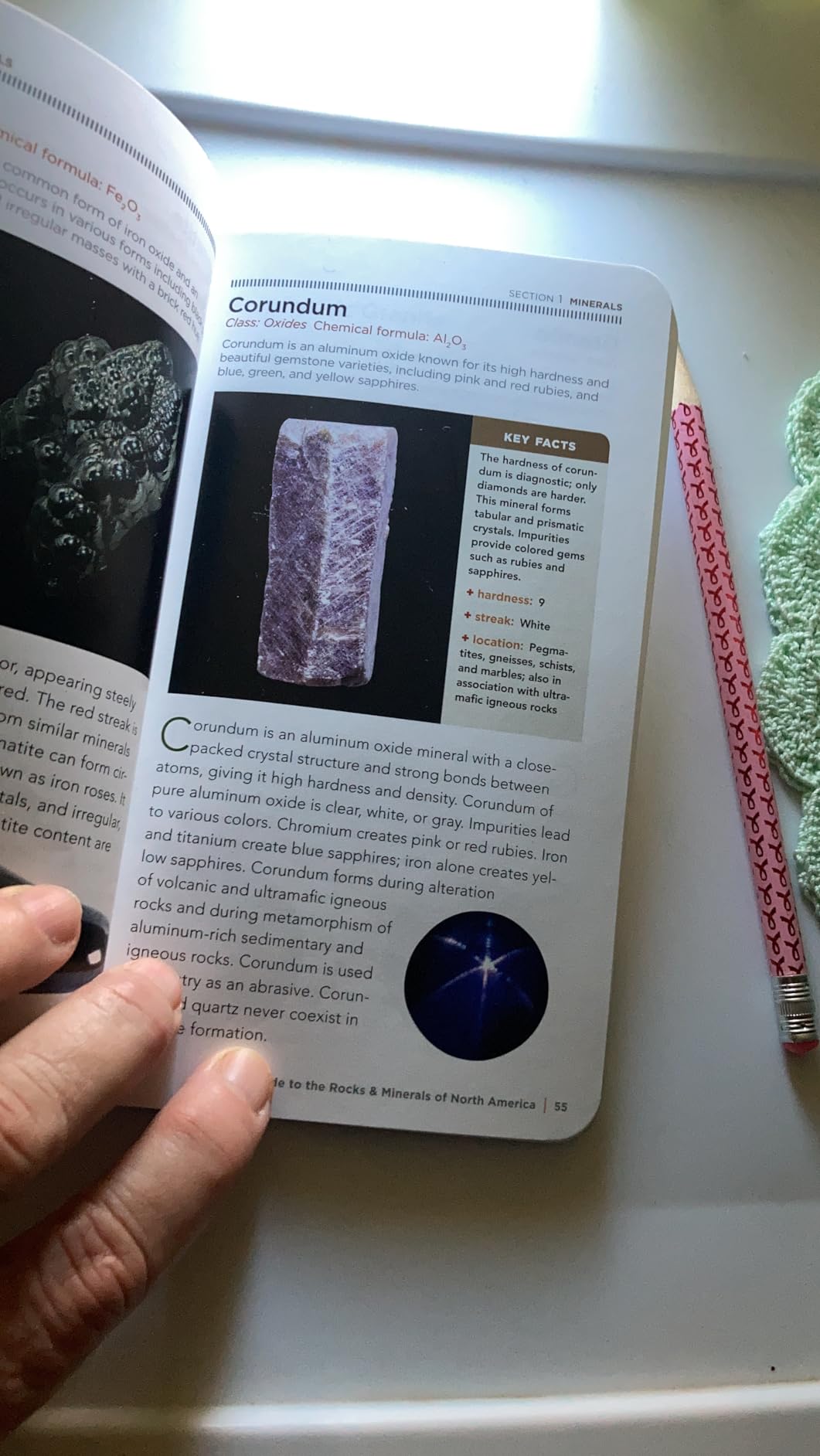
The guide uses full-color photographs rather than illustrations, which makes real-world identification much easier. Each entry includes the mineral or rock name, key physical properties, typical locations where it is found, and identifying characteristics. The photo quality is what you would expect from National Geographic, which is to say it is excellent.
For the price, the content depth is impressive. It will not replace a university-level mineralogy textbook, but it is not trying to. This is a quick-reference guide designed for field use, and it succeeds at that purpose. Beginners will find it comprehensive enough to identify most common specimens they encounter.
The pocket-sized format is the defining feature. It fits easily in a backpack side pocket, a jacket pocket, or even a large pants pocket. This means it actually gets carried and used, rather than left at home. Many field guides are too large or heavy for practical field use, which defeats the purpose.
The binding holds up reasonably well to field conditions, though it is a standard paperback binding rather than a weatherproof one. For a geologist who works in wet conditions regularly, pairing this guide with the Rite in the Rain notebook (item 7 on this list) creates a solid field kit.
This guide is ideal for rockhounds, hobbyists, students, and anyone who wants a portable field reference. Advanced geologists and mineralogists will likely already have more comprehensive references and may find this guide too basic. But for the vast majority of gift recipients, it hits the right balance of depth and accessibility.
As a budget-friendly gift, this is hard to beat. It pairs well with other gifts on this list, especially the rock collection kit or the geodes kit, because it gives the recipient a reference tool to identify what they find. Combining this guide with a hand lens creates a thoughtful field identification starter kit for under $65 total.
Schist Happens geology humor
Classic fit t-shirt
Multiple colors and sizes
Double-needle sleeve and hem
Not every gift has to be a serious field tool. The Funny Geologist T-Shirt with its Schist Happens design is a lighthearted gift that geologists genuinely enjoy. Geology humor is a real subculture, and puns involving rock names like schist, gneiss, and shale are the currency of geology department hallways worldwide.
With a 4.7-star rating across 137 reviews, this shirt has found an appreciative audience. It is the kind of gift that works when you want something fun and personal rather than purely functional. Pair it with a more serious gift from this list and you have a thoughtful combination.
The design is specifically aimed at geologists, rock collectors, and mineral enthusiasts. This is not a generic science joke. The Schist Happens pun requires actual geology knowledge to appreciate, which makes it an inside joke that geologists will recognize and enjoy.

The Schist Happens design plays on the phonetic similarity between schist (a metamorphic rock type) and a common English profanity. It is clever without being crude, and geologists find it genuinely funny because it speaks their language. The design is printed rather than ironed on, which gives it better durability through multiple washes.
One thing to note is that the humor is somewhat niche. Non-geologists will not get the joke, which is actually part of the appeal for many geology enthusiasts. It is a way to signal identity within the geology community the way a chemistry joke shirt works for chemists.
The shirt uses a lightweight, classic fit with double-needle sleeve and bottom hem construction. This is a standard cotton or cotton-blend t-shirt construction, not a premium fashion tee. The classic fit runs true to size for most body types. Reviewers generally find the sizing accurate, but as with any apparel gift, checking the recipient’s usual shirt size is important.
The fabric is lightweight enough for warm-weather wear, which makes it a good choice for field season. Some geologists appreciate having dedicated field shirts, and a funny geology tee can serve double duty as both workwear and a conversation starter at outcrops.
This shirt works best as a stocking stuffer, a birthday add-on, or a casual gift for someone who already has all the field tools they need. It is not a main gift for a major occasion, but it excels as a supplementary item that adds a personal touch. At under $19, it fits easily into a gift budget alongside something more substantial.
The ideal recipient is a geology student, a working geologist with a sense of humor, or a rockhound who attends gem and mineral shows. It is less appropriate for a formal professional context, but for casual wear and field use, it hits the mark.
400 million year old ammonite pair
Polished from Madagascar
1.25 to 1.5 inches wide
Display specimen with healing properties
Polished ammonite fossils are consistently one of the most recommended geology gifts on Reddit. The KALIFANO Ammonite Shell Pair is a genuine fossil approximately 400 million years old, polished to reveal the stunning spiral chambers that make ammonites so visually striking. At under $19, it is an affordable specimen gift that looks far more expensive than it is.
I included this because ammonite fossils occupy a special place in geology gift culture. They are visually beautiful, scientifically significant as extinct cephalopod relatives, and tactilely satisfying to hold. The spiral chamber pattern is one of nature’s most recognizable geometric forms, and a polished ammonite pair displayed on a desk or shelf is an instant conversation piece.
The 4.6-star rating across 361 reviews reflects consistent quality. KALIFANO has been selling fossils and minerals since 1912, and their money-back guarantee adds confidence. Each ammonite pair is unique because they are natural specimens, which means the one your recipient gets will not look exactly like any other.
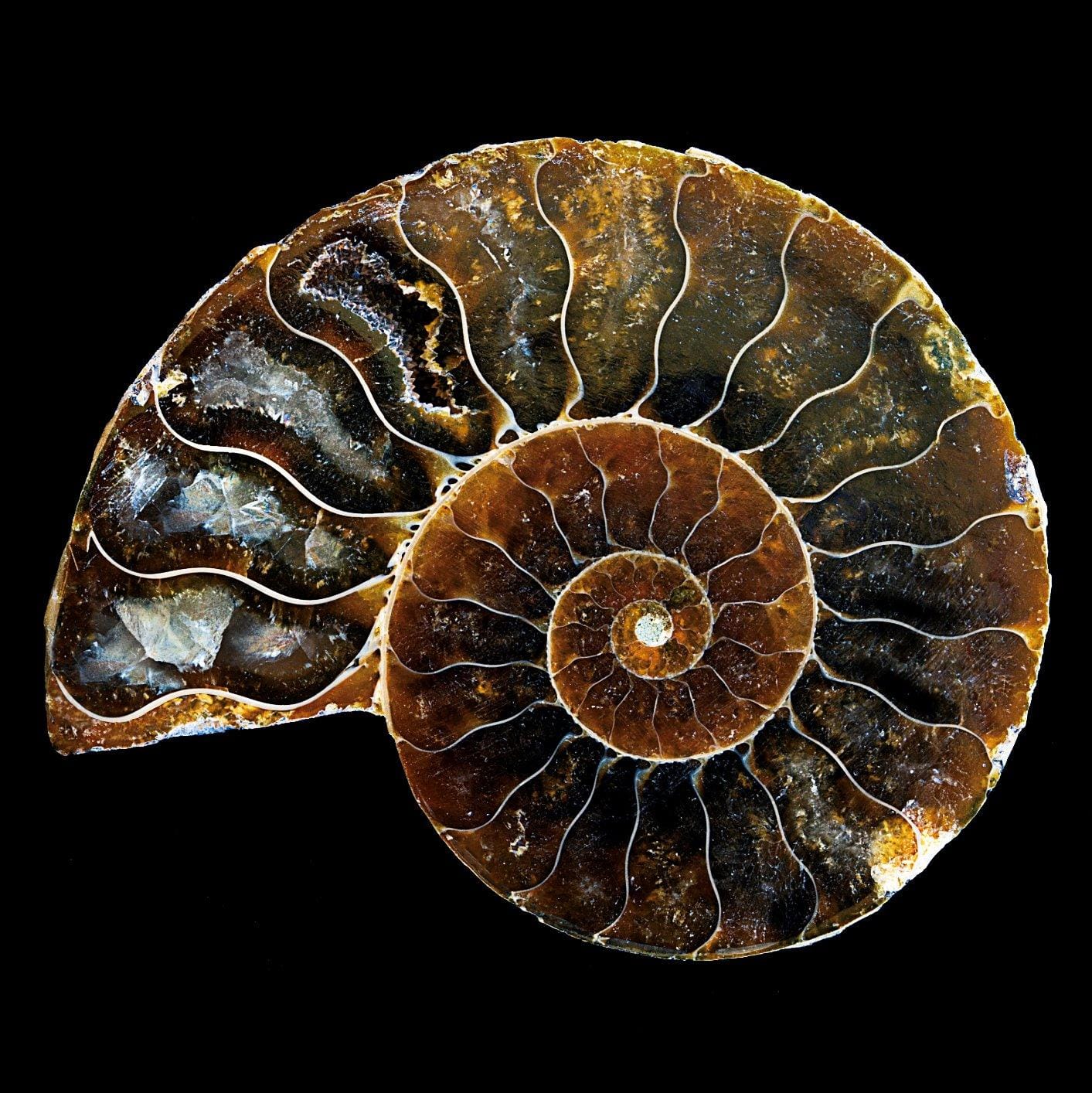
These are genuine ammonite fossils from Madagascar, dating back roughly 400 million years to the Devonian period. Ammonites were marine cephalopods related to modern nautilus and squid, and their spiral shells fossilized extensively in marine sedimentary deposits. The polishing process reveals the internal chamber structure, which is the defining visual feature.
The key question with any fossil gift is authenticity, and KALIFANO has a long-standing reputation in the fossil and mineral trade. The specimens are real fossils, not reproductions or composites. The polishing is done to enhance visual appeal, not to obscure or fabricate features. What you see is a genuine piece of Earth’s deep history.
The ammonite pair measures approximately 1.25 to 1.5 inches wide and about 0.25 inches thick. This is a palm-sized specimen, not a large display piece. Some buyers are surprised by the size, so it is worth managing expectations. The pair is cut and polished so that the internal chambers are visible on both halves, creating a mirrored display effect.
For display, these ammonites work well on a desk, bookshelf, or small easel stand. They are small enough to fit in a collection without dominating the space but large enough to be visually striking when viewed up close. The polished finish gives them a glossy, almost gem-like appearance that catches light well.
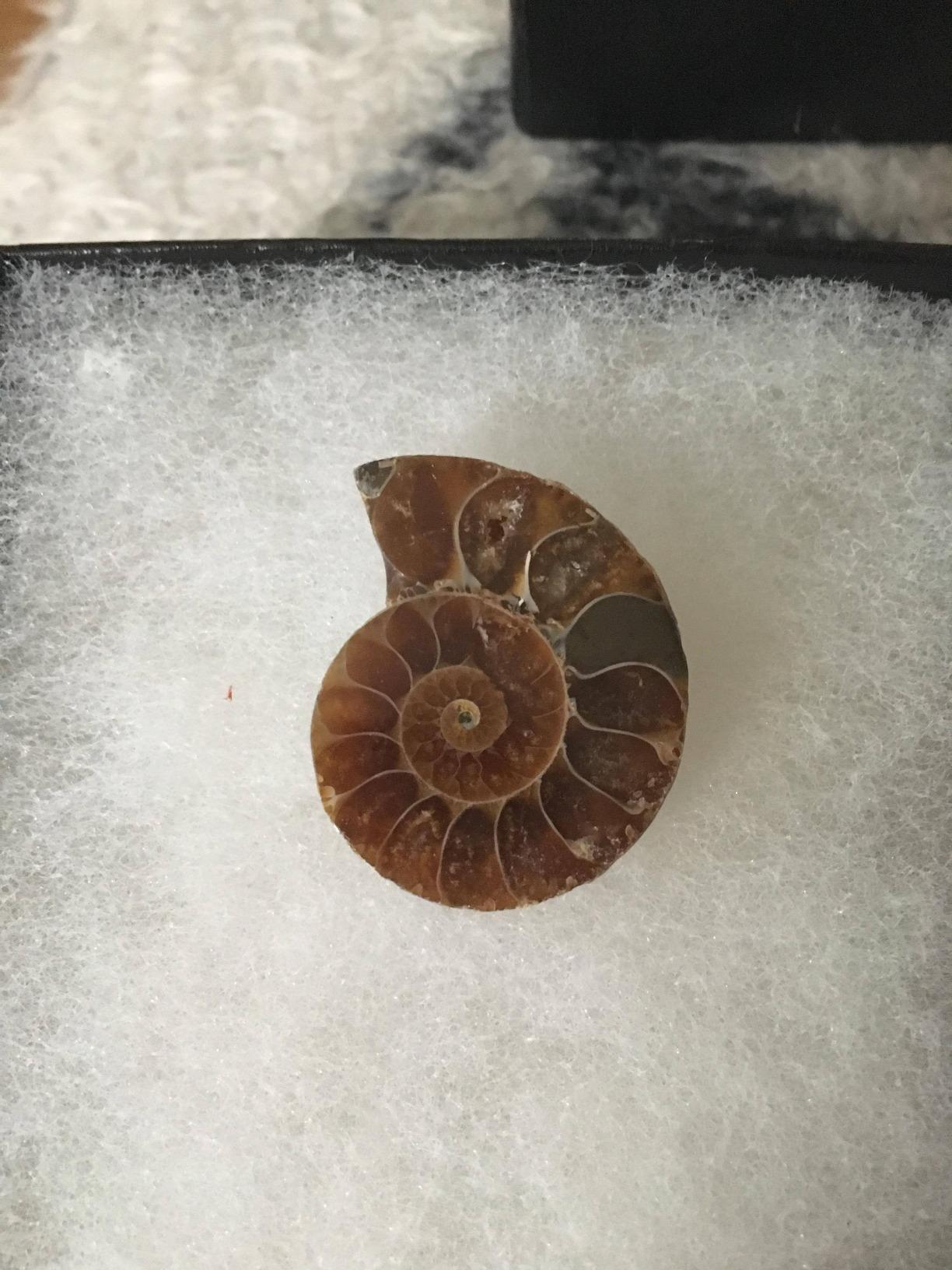
An ammonite fossil pair appeals to a broad range of recipients. Geologists appreciate the paleontological significance. Rock collectors value the specimen quality. And people who simply appreciate natural beauty are drawn to the spiral geometry. This versatility is what makes ammonites such reliable gifts.
The Feng Shui and chakra healing associations may appeal to some recipients and be irrelevant to others. The fossil is associated with the root chakra and is thought to bring wealth, prosperity, and relaxation. Whether or not the recipient believes in these properties, the fossil itself is a beautiful and meaningful object.
160 waterproof numbered pages
Geological reference material
Hard cover 4.75 x 7.5 inches
Archival-grade recyclable paper
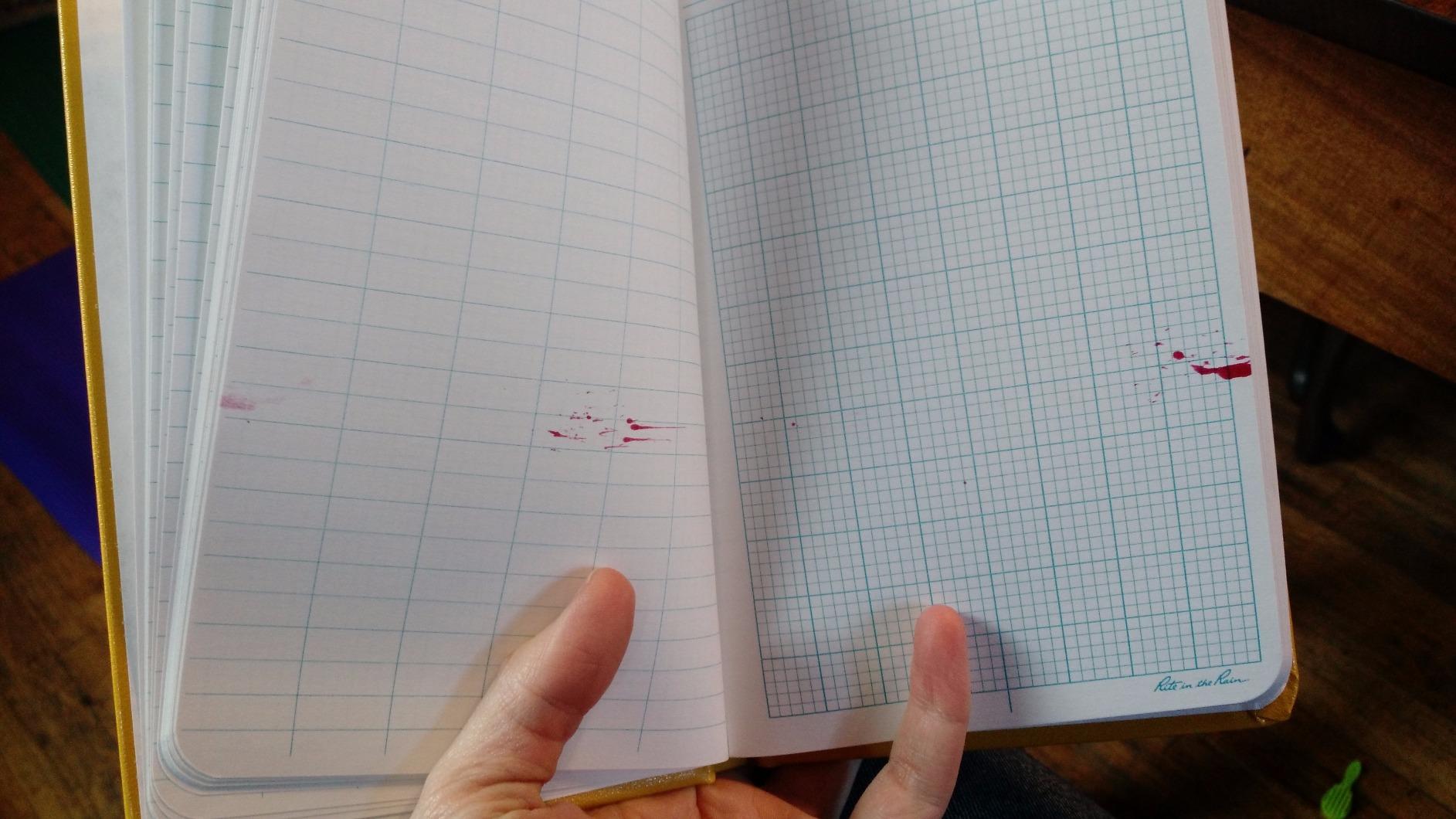
A waterproof field notebook is essential gear for any geologist who works outdoors, and the Rite in the Rain Geological Notebook is the industry standard. Reddit geologists consistently recommend these notebooks, and the specific geological pattern version (No. 540F) includes reference pages that make it particularly suited for earth science field work.
With a 4.8-star rating across over 1,000 reviews, this notebook has proven itself in real field conditions. The 160 numbered pages repel water, sweat, and mud, which means field notes survive rainstorms, stream crossings, and sweaty backpack interiors. For a geologist, losing field notes to water damage is not just an inconvenience. It can mean losing irreplaceable data.
I selected this because it solves a real problem that geologists face. Standard notebooks turn to pulp when they get wet. Rite in the Rain notebooks use a proprietary paper coating that sheds water while remaining writable. This is not a gimmick. It is a functional advantage that working geologists rely on.
The waterproof paper is the core feature. It works with standard pencils and all-weather pens, though it will not accept ink from standard ballpoint pens when wet. The paper coating sheds water on contact, and notes written with a pencil remain legible even if the notebook is submerged. For geologists working in stream beds, during rain, or in humid tropical conditions, this performance is not optional.
The hard cover adds another layer of protection. Softcover notebooks get crushed in backpacks, and damaged covers lead to damaged pages. The hard cover on the No. 540F model keeps the pages flat and protected even when the notebook is jammed into a field pack alongside rock specimens and a hammer.
What sets this specific notebook apart from generic Rite in the Rain products is the inclusion of 20 pages of geological reference material. These pages include grain size charts, a geologic time scale, rock classification guides, and standard and metric rulers printed on the inside covers. For field work, having this reference material immediately at hand saves time and reduces errors.
The 160 numbered pages provide a systematic framework for organized field notes. Numbered pages are important because field notes need to be referenced and cross-indexed, and unnumbered pages lead to confusion. The geological pattern refers to the specific ruling and layout designed for field mapping and stratigraphic description.
This notebook is perfect for a geology student preparing for field camp, a professional field geologist, or any rockhound who keeps detailed notes on collecting sites. It is also a thoughtful gift for an earth science teacher who takes students on field trips. The geological reference pages make it specifically suited for geology rather than general outdoor use.
One consideration is that the waterproof paper requires writing instruments that work on the coated surface. Standard pencils work perfectly. Ballpoint pens work when the paper is dry. All-weather pens work in all conditions. If you give this notebook, consider pairing it with a good mechanical pencil or an all-weather pen to complete the field kit.
300+ genuine specimens
2 break-open geodes
Magnifying glass and storage bag
Full-color learning guide
The National Geographic Rock Collection with over 300 specimens is the ultimate starter kit for anyone beginning a rock and mineral collection. With over 21,000 reviews and a 4.6-star rating, this is one of the most popular geology products available. It makes an excellent gift for curious kids, aspiring geologists, or adult hobbyists who want to build a reference collection.
This collection stands out because of the sheer volume and variety of specimens. Over 300 genuine rocks, minerals, and crystals from around the world give the recipient a broad foundation for learning identification. The collection includes recognizable specimens like amethyst, pyrite, rose quartz, and tiger’s eye, along with less common minerals that expand the learning potential.
I included this as the final pick because it represents a different gift category: the comprehensive starter collection. While the geodes kit (item 2) offers an experience, this collection offers a lasting reference set that can support years of learning and identification practice.
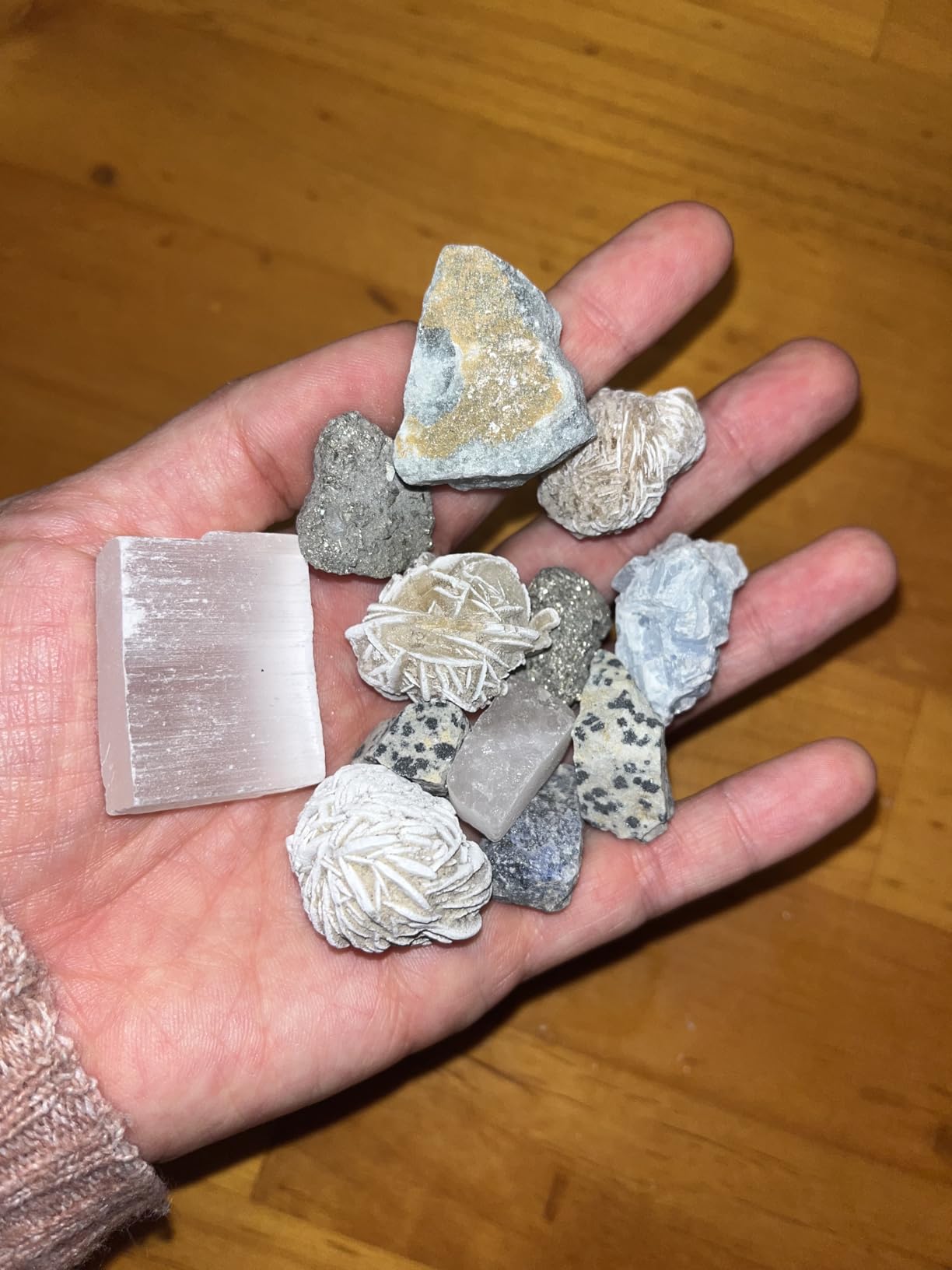
The collection includes over 300 specimens spanning major mineral categories. You get common collector favorites like amethyst, pyrite, rose quartz, and tiger’s eye, plus a range of other minerals and rocks that illustrate different geological processes. The variety is the key selling point, because having many specimens to compare and identify is how beginners actually learn mineral recognition.
The individual specimens are small, which is necessary given the quantity and price point. Some are chips or fragments rather than complete crystals. This is an honest trade-off: you get volume and variety at the cost of individual specimen size. For a beginner building a reference collection, this trade-off makes sense. For someone seeking display-quality specimens, the smaller sizes may be disappointing.
The included full-color learning guide helps recipients identify and understand the specimens they receive. A magnifying glass is included for close inspection, which encourages hands-on examination. The storage bag keeps specimens organized, which matters when you are dealing with 300-plus small pieces.
The 2 break-open geodes add an interactive element to the collection. Cracking these open provides the same hands-on discovery experience as the standalone geodes kit, giving recipients both a reference collection and an activity in one gift. This combination of education and experience is what makes the collection such a popular choice.
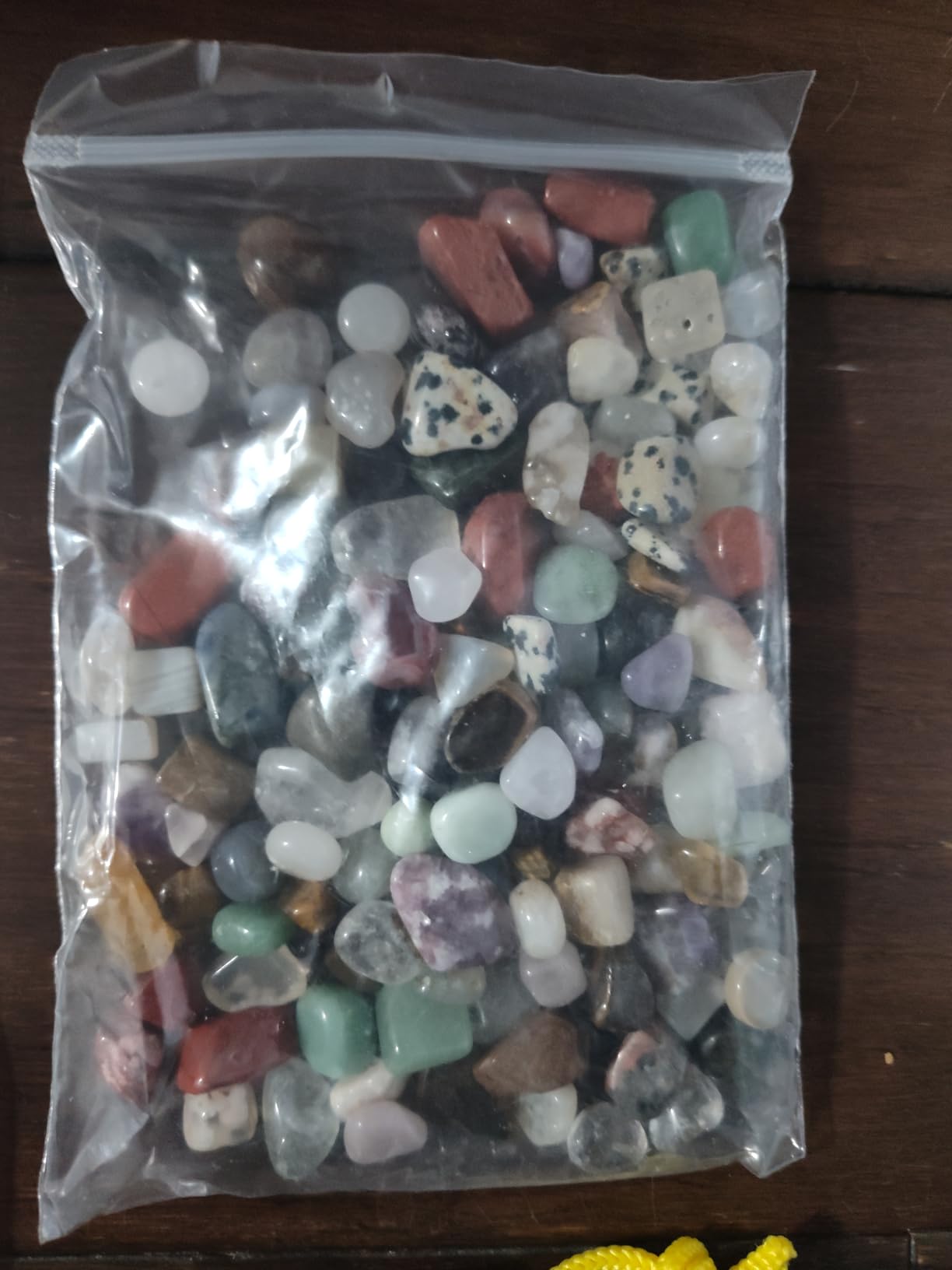
This collection is ideal for kids aged 6 and up who are starting to show interest in rocks and science. It also works well for adult beginners who want to build a mineral reference set without spending hundreds of dollars on individual specimens. The educational materials make it self-contained, so no prior geology knowledge is needed to get value from the kit.
For a gift-giver, this collection offers exceptional value. It provides enough variety and content to keep a curious mind engaged for months. Pairing it with the National Geographic Pocket Guide (item 4) creates a comprehensive starter geology kit that gives the recipient both specimens and the reference tool to identify them.
Choosing the right gift for a geologist comes down to understanding where they are in their geology journey and what would genuinely add value to their life. The eight products on this list span very different categories, and matching the right one to the right recipient is what separates a thoughtful gift from a generic one.
A geology student just starting out will get the most value from foundational tools and references. The National Geographic Pocket Guide, the Rite in the Rain notebook, and the 300+ Rock Collection are all ideal for students. These items help them learn and work effectively without assuming advanced knowledge.
A professional geologist likely already owns the basics. For them, upgrading an existing tool makes more sense. The Estwing Rock Pick with the leather grip or the Hastings 10X Loupe are upgrade gifts that replace lower-quality versions of tools they use daily. The ammonite fossil pair works as a desk display gift that a professional would appreciate but might not buy for themselves.
A hobbyist rockhound falls somewhere in between. The geodes kit, the rock collection, and the field guide all serve hobbyists well. The t-shirt is a fun addition for any category, and the Rite in the Rain notebook is useful for any rockhound who keeps field notes.
Geology gifts generally fall into three categories. Field tools are things a geologist uses actively in their work: the rock hammer, the hand lens, and the field notebook. These are the most practical gifts and tend to be the most appreciated by working geologists. They show you understand what the person actually does.
Display specimens are items meant to be looked at and appreciated: the ammonite fossil pair, the geodes, and the rock collection. These gifts bring the beauty of geology into a home or office. They work well for recipients who love geology but may not spend time in the field.
Fun items like the Schist Happens t-shirt are supplementary gifts that add personality and humor. They work best paired with a more substantial gift rather than standing alone. Combining a field tool with a fun item shows both practical understanding and personal thoughtfulness.
For gifts under $25, the National Geographic Pocket Guide, the Schist Happens t-shirt, and the KALIFANO ammonite fossil pair are all excellent choices. These are affordable gifts that do not feel cheap. The ammonite in particular looks far more expensive than it is, which is the hallmark of a great budget gift.
In the $25 to $50 range, which forum data shows is the sweet spot for most gift-givers, the Rite in the Rain notebook, the National Geographic geodes kit, and the 300+ Rock Collection are the best options. These gifts feel substantial and deliver real value. The geodes kit and rock collection are particularly strong choices because they provide experiences and ongoing engagement.
For gifts over $50, the Estwing Rock Pick and the Hastings 10X Loupe are the premium options. These are professional-grade tools that represent significant investment. They are the right choice when you want to give a gift that will last decades and be used regularly. The Estwing in particular is a heirloom-quality tool that many geologists keep for their entire career.
Think about what your recipient already owns and what they actually spend time doing. A student preparing for field camp needs practical tools. A professional doing field mapping needs upgraded equipment. A hobbyist collecting at local sites needs reference materials and specimen variety. The best gift is the one that fills a gap they have noticed but not yet addressed.
When in doubt, the Reddit geology community offers consistent advice: go practical. Geologists value utility over aesthetics. An Estwing hammer, a quality hand lens, or a waterproof notebook will be used and appreciated far more than a decorative item. The ammonite fossil is the one exception where a display specimen is universally appreciated across all experience levels.
Geologists need three core field tools: a rock hammer (Estwing is the standard), a 10X hand lens for mineral identification, and a waterproof field notebook for recording observations. Additional essentials include a compass or clinometer for measuring orientations, a field vest with pockets, and sturdy boots. These practical tools are consistently the most appreciated gifts from working geologists.
The best gifts for geology students are foundational tools they will use throughout their education and career. A Rite in the Rain geological notebook, a National Geographic pocket guide for mineral identification, and a quality 10X hand lens are all ideal. These are practical items that directly support coursework and field camp requirements without duplicating what they already own.
For a geologist who already has all the basic tools, consider unique specimens like a polished ammonite fossil pair, or upgrade an existing tool to a premium version. The Estwing E30 with genuine leather grip is a meaningful upgrade from a standard rock hammer. A Hastings triplet 10X loupe replaces cheaper plastic-lens magnifiers. Display specimens they would not buy for themselves, like high-quality fossils, also make excellent gifts.
Geode kits work well for adults who appreciate natural mineral specimens, though adults should manage expectations on geode size and crystal quality. The National Geographic Break Open Geodes Kit includes 10 genuine geodes with safety goggles and display stands. While marketed toward kids, many adult rockhounds and geology enthusiasts enjoy the hands-on discovery experience and the natural specimens.
The best budget gifts under $20 include the KALIFANO Ammonite Fossil Pair at about $18, the National Geographic Pocket Guide to Rocks and Minerals at about $13, and the Funny Geologist T-Shirt at about $19. The ammonite fossil looks far more expensive than it is, making it the standout budget choice. The pocket guide is practical and useful for any experience level.
The best gifts for geologists combine practical utility with genuine understanding of what earth scientists actually do. If you want a field tool that will last decades, the Estwing Rock Pick is the gold standard. If you need a budget-friendly gift that feels special, the KALIFANO Ammonite Fossil Pair looks far more expensive than it costs. And if you are shopping for a beginner or student, the National Geographic Pocket Guide paired with the Rite in the Rain notebook creates a thoughtful field kit.
For kids and hobbyists, the National Geographic Rock Collection and the Break Open Geodes Kit deliver hands-on experiences that spark lasting interest in earth science. For the geologist who already has the basics, the Hastings 10X Loupe is a professional upgrade they will use daily. And the Schist Happens t-shirt adds a touch of humor to any gift combination.
Remember that geologists value utility above all else. The Reddit community is clear on this point: practical tools beat decorative items almost every time. Choose a gift that your recipient will actually use in the field or display with pride, and you cannot go wrong with any of these eight picks.