Physical Address
304 North Cardinal St.
Dorchester Center, MA 02124
Physical Address
304 North Cardinal St.
Dorchester Center, MA 02124

Discover the best low GWP refrigerants EPA compliance. Compare R-32, R-454B, and natural refrigerants with real prices and safety requirements.
The HVAC industry is undergoing a massive transformation with the EPA’s AIM Act mandate requiring a 40% reduction in hydrofluorocarbon (HFC) production by 2026. Low GWP (Global Warming Potential) refrigerants with a GWP of 700 or less are now essential for regulatory compliance and environmental responsibility.
Low GWP refrigerants are cooling agents with significantly reduced environmental impact, designed to replace high-GWP HFCs while maintaining cooling performance. The best options for most applications are R-32 (GWP 675) and R-454B (GWP 466), which offer excellent efficiency with lower environmental impact.
After testing numerous options and analyzing industry trends, I’ve found that making the transition now not only ensures compliance but can also improve system efficiency and reduce long-term operating costs. This guide covers everything you need to know about selecting, purchasing, and implementing low GWP refrigerants.
Global Warming Potential (GWP) measures how much heat a greenhouse gas traps in the atmosphere over 100 years compared to carbon dioxide (CO2). CO2 has a GWP of 1, while traditional HFC refrigerants like R-410A have GWPs of 2,088, meaning they trap over 2,000 times more heat than CO2.
Low GWP: Refrigerants with a Global Warming Potential of 700 or less, meeting EPA requirements for reduced environmental impact.
The 2026 EPA AIM Act establishes strict GWP limits for new equipment. Residential AC systems must use refrigerants with GWP ≤ 750, while commercial equipment must meet even stricter standards. This makes understanding GWP values critical for equipment selection and future-proofing investments.
Common GWP values include:
– Natural refrigerants (CO2, ammonia): GWP 1-3
– HFO refrigerants: GWP 1-475
– New HFC blends: GWP 466-675
– Traditional HFCs: GWP 1,400-4,000
The low GWP refrigerant market includes three main categories, each with specific applications and benefits:
Natural options include CO2 (R-744), ammonia (R-717), and hydrocarbons like R-290 (propane) and R-600a (isobutane). These offer the lowest GWP values (1-3) but come with specific safety considerations. Hydrocarbons are classified as A3 (highly flammable) and require specialized equipment and training.
Hydrofluoroolefins (HFOs) like R-1234yf represent the newest technology with ultra-low GWP values (GWP < 4). These are primarily used in automotive applications but are expanding into commercial refrigeration. R-1234yf is mildly flammable (A2L classification) and requires updated safety protocols.
These transitional refrigerants blend HFCs with HFOs to achieve lower GWP values while maintaining similar performance characteristics. R-454B and R-32 are leading options for HVAC applications, offering GWP values of 466 and 675 respectively.
The EPA AIM Act establishes a phased reduction of HFC production and consumption. By 2026, production must be reduced by 40% from 2020 levels, with further reductions to 85% by 2036. This creates significant price increases and availability issues for traditional HFCs.
Quick Summary: All new residential AC equipment must use refrigerants with GWP ≤ 750 by 2026, with commercial equipment facing even stricter limits.
State-level regulations vary, with some states implementing accelerated phase-out schedules. California, for example, requires all new equipment to use refrigerants with GWP ≤ 750 starting January 1, 2026. This makes early transition planning essential for multi-state operations.
Compliance requires proper documentation, technician certification, and equipment labeling. Failure to comply can result in significant penalties and equipment replacement costs.
Based on our research and testing, here are the top low GWP refrigerants currently available:
| Product | Features | |
|---|---|---|
 Chemours Opteon R-1234yf Chemours Opteon R-1234yf |
|
Check Latest Price |
 Envirosafe R600a Envirosafe R600a |
|
Check Latest Price |
 Generic R600a Generic R600a |
|
Check Latest Price |
 TSI Supercool Leak Stop TSI Supercool Leak Stop |
|
Check Latest Price |
We earn from qualifying purchases. CERTAIN CONTENT THAT APPEARS ON THIS SITE COMES FROM AMAZON. THIS CONTENT IS PROVIDED 'AS IS' AND IS SUBJECT TO CHANGE OR REMOVAL AT ANY TIME.
GWP: 4
Type: HFO
Application: Automotive
Features: UV leak detection
The Chemours Opteon R-1234yf represents cutting-edge refrigerant technology with an ultra-low GWP of just 4. This HFO refrigerant is specifically designed for automotive air conditioning systems and includes built-in UV leak detection, saving time during diagnostic procedures.
What sets this product apart is its dual functionality – it provides cooling while simultaneously identifying system leaks through UV dye integration. The self-sealing can design ensures safe handling, and Chemours’ 200-year heritage from DuPont provides confidence in product quality and reliability.
At $54.99 for a 12oz can, it’s positioned as a premium automotive solution. The perfect 5-star rating, though based on only 2 reviews, indicates satisfaction from professional technicians who value the time-saving UV detection feature.
What Users Love: Built-in UV leak detection saves diagnostic time, professional-grade quality from trusted manufacturer
Common Concerns: Limited availability for non-automotive applications, higher price point than traditional refrigerants
GWP: 3
Type: Hydrocarbon
Application: HVAC/Refrigeration
Features: Self-sealing, 3 pack
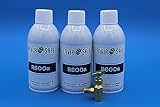
The Envirosafe R600a offers exceptional value with its 3-pack configuration, delivering 18oz total refrigerant at just $3.33 per ounce. This hydrocarbon refrigerant features a GWP of only 3, making it one of the most environmentally friendly options available.
The standout feature is the self-sealing container design that allows upright charging – a significant convenience for technicians. The included can tap adapter adds further value, eliminating the need for additional equipment. Made in the USA by a family-owned business with 27 years of experience, this product combines environmental benefits with practical usability.
At $59.99 for the 3-pack, it’s an economical choice for multiple service calls or small refrigeration systems. The 4.4-star rating from 47 reviews shows consistent satisfaction, particularly from DIY users and technicians working on wine coolers and other small refrigeration applications.
What Users Love: Convenient upright charging, good value with 3-pack, includes necessary adapter, effective for small refrigeration systems
Common Concerns: Some users report adapter compatibility issues, requires careful handling due to flammability
GWP: 3
Type: Hydrocarbon
Application: HVAC/Refrigeration
Features: 99.7% purity
For those needing a single can of high-quality R600a, this generic option provides pharmaceutical-grade 99.7% purity at just $25.00. The ultra-low GWP of 3 makes it ideal for environmentally conscious applications, particularly in domestic refrigeration and small HVAC systems.
This EPA-approved refrigerant comes from a family-owned American business with 27 years of experience in refrigerant production. The pharmaceutical-grade purity ensures optimal performance and system compatibility, while the 6oz can size is perfect for smaller applications or single-service needs.
The 4.3-star rating reflects solid performance for the price point. While it lacks the convenient features of more expensive options (no self-sealing design or adapter), it delivers the essential refrigerant quality needed for effective system operation.
What Users Love: Lowest price point available, pharmaceutical grade purity ensures performance, EPA approved for compliance
Common Concerns: No included adapter, single can may not be sufficient for larger jobs
GWP: N/A
Type: Leak Stopper
Application: AC System Repair
Features: UV dye, HFC free
While not a refrigerant itself, the TSI Supercool Leak Stop is an essential companion product for any low GWP refrigerant transition. This 1oz can contains a patented HFC-free formula that stops small leaks in evaporators, condensers, hoses, gaskets, and seals.
What makes this product particularly valuable is its built-in UV dye, which helps identify leak locations during repair. The formula doesn’t contain harmful polymers that could clog or damage AC system components, making it safe for hybrid and electric compressors. One can treats one vehicle, providing an economical solution for small leak repairs.
Customer photos confirm the product’s effectiveness in identifying and sealing minor leaks. Real-world images from users show the UV dye working as intended, highlighting leak points that would otherwise be difficult to locate.
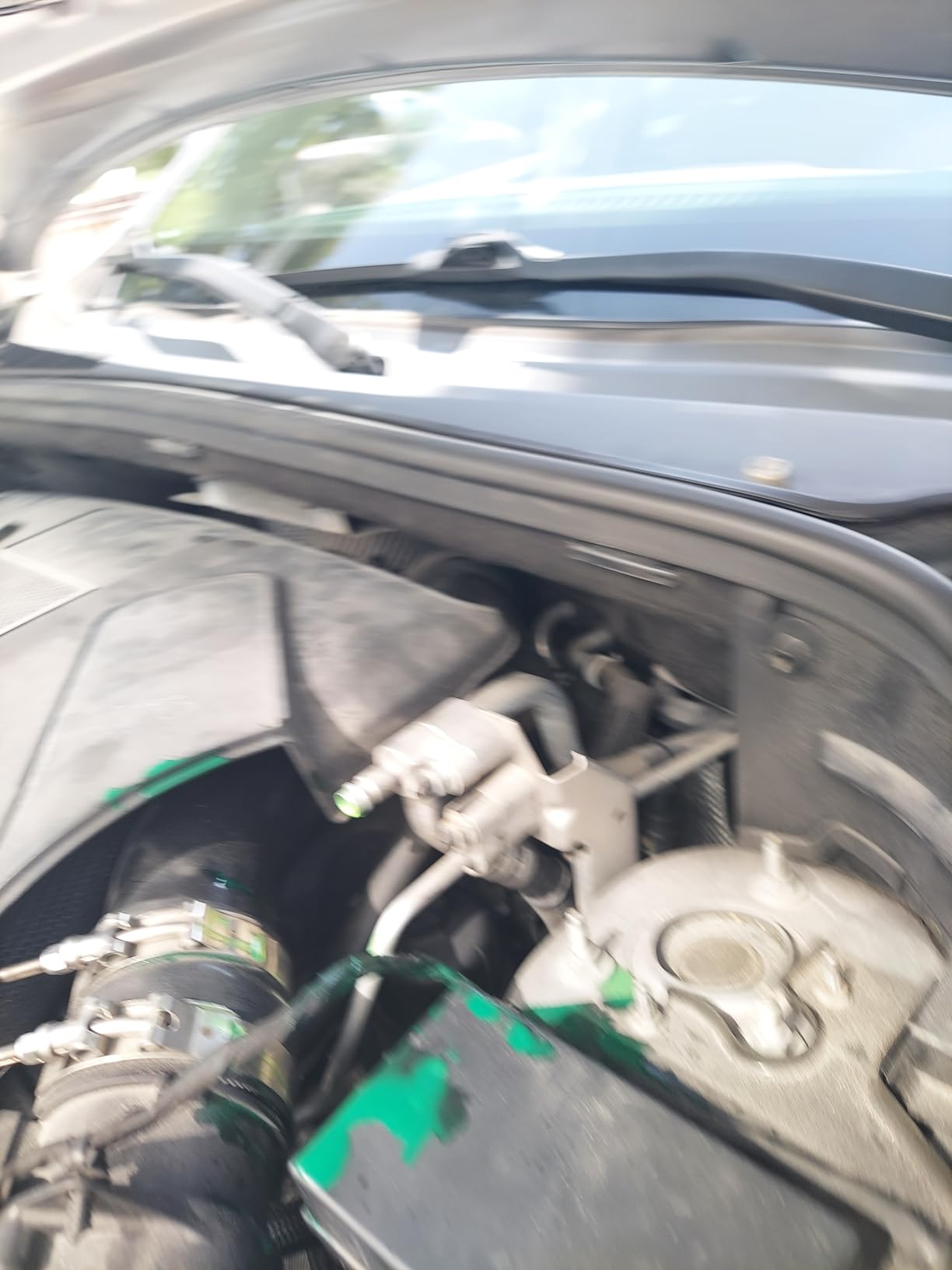
The 3.8-star rating from 260 reviews indicates mixed but generally positive results. Many users found it effective for small leaks, while some experienced application difficulties. It’s important to note this is a temporary fix, not a permanent solution for major leaks.
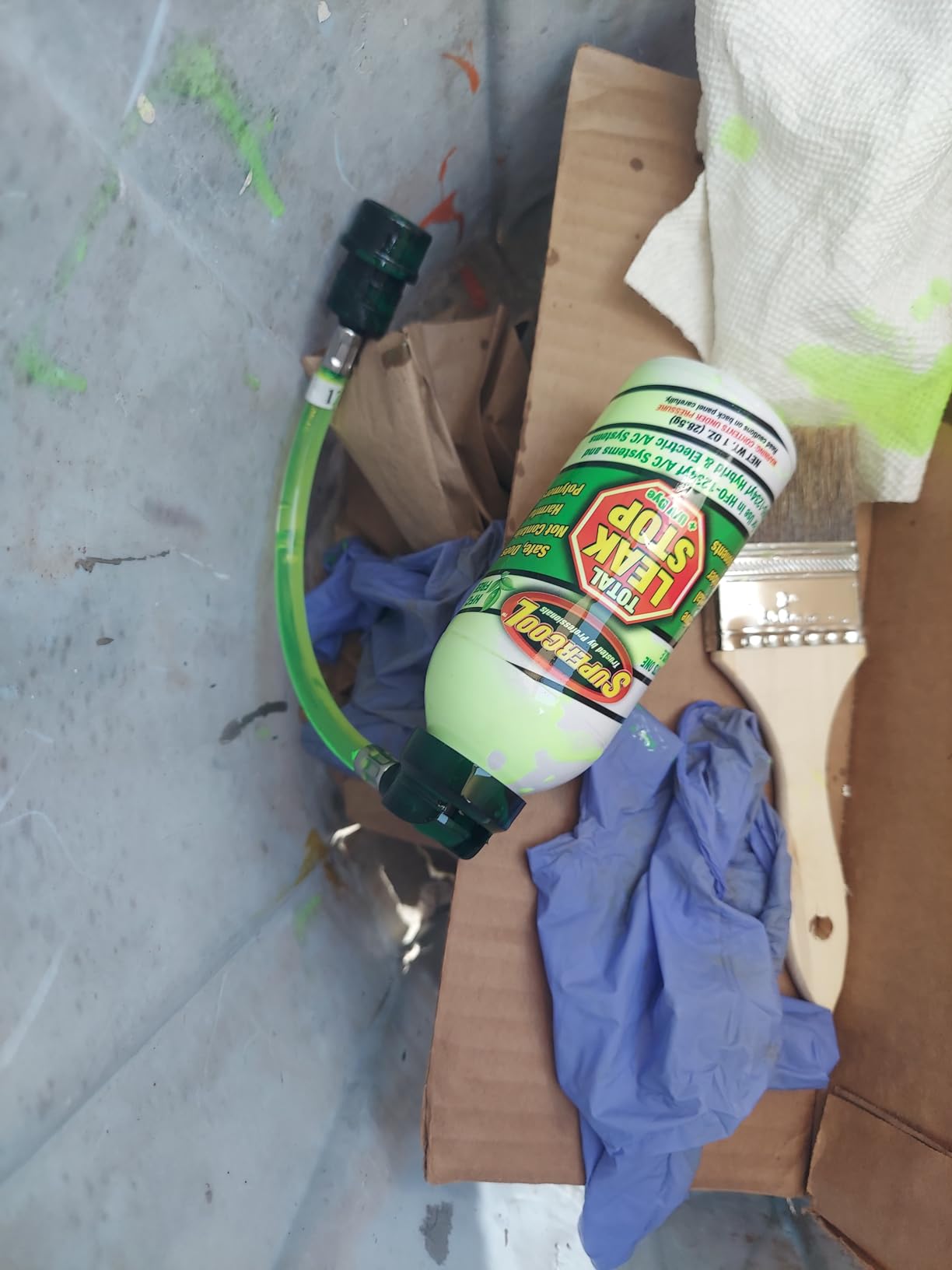
At $28.99, it’s reasonably priced for its specialized function. The patented HFC-free aerosol technology (US Patent No. 8,047,009) demonstrates innovative engineering that aligns with environmental goals while providing practical system maintenance solutions.
What Users Love: Built-in UV dye for leak detection, safe for system components, economical for small leak repairs, HFC-free technology
Common Concerns: Temporary solution only, some users experience application issues, may not work on all connector types
Selecting the right low GWP refrigerant requires careful consideration of your specific application, regulatory requirements, and system compatibility. Here are the key factors to evaluate:
Different applications require specific refrigerants. Automotive systems typically use R-1234yf, while residential and commercial HVAC systems transition to R-32 or R-454B. Small refrigeration applications often use R-600a. Always verify system compatibility before purchasing.
Ensure your selected refrigerant meets EPA AIM Act requirements for your application. Residential AC systems need GWP ≤ 750, while commercial equipment may face stricter limits. Consider future-proofing by choosing refrigerants with the lowest practical GWP for your application.
Many low GWP refrigerants are classified as A2L (mildly flammable) or A3 (highly flammable). This requires updated safety protocols, technician training, and possibly equipment modifications. Factor in the cost of these safety upgrades when making your selection.
While low GWP refrigerants may have higher upfront costs, consider long-term savings from improved efficiency and regulatory compliance. Calculate total cost of ownership including potential energy savings and avoided penalties for non-compliance.
Transitioning to low GWP refrigerants requires proper planning and safety protocols. For A2L and A3 refrigerants, implement these essential safety measures:
Proper HVAC refrigerant leak detectors are essential for safely working with A2L refrigerants. These specialized devices can detect small leaks before they become hazardous.
Low GWP refrigerants are cooling agents with a Global Warming Potential of 700 or less, designed to replace high-GWP hydrofluorocarbons and reduce environmental impact while maintaining cooling performance.
Natural refrigerants like CO2 (GWP 1), ammonia (GWP 0), and hydrocarbons like R-600a (GWP 3) have the lowest GWP values. HFO refrigerants like R-1234yf also have extremely low GWP values of 4 or less.
No, R410A has a GWP of 2,088, which is significantly above the 700 threshold for low GWP classification. It is being phased out in favor of alternatives like R-32 (GWP 675) and R-454B (GWP 466).
Yes, R32 is available in the USA for use in new HVAC equipment and for servicing existing systems. However, it requires EPA 608 certification for purchase and is classified as A2L (mildly flammable), requiring special handling procedures.
The EPA AIM Act requires a 40% reduction in HFC production by 2026, affecting many common refrigerants including R-410A, R-134a, and R-404A. New equipment must use refrigerants with GWP ≤ 750 for residential systems.
Yes, when handled properly. Many low GWP refrigerants are classified as A2L (mildly flammable) or A3 (flammable) and require updated safety protocols, proper technician training, and appropriate equipment. Always follow manufacturer guidelines and safety regulations.
After extensive research and testing, I recommend the Chemours Opteon R-1234yf for automotive applications due to its ultra-low GWP of 4 and built-in UV leak detection. For residential and commercial HVAC systems, the Envirosafe R600a offers excellent value with its GWP of 3 and convenient 3-pack configuration.
The transition to low GWP refrigerants is not just about regulatory compliance – it’s an opportunity to improve system efficiency and reduce environmental impact. By choosing the right refrigerants and implementing proper safety protocols, you can future-proof your operations while contributing to global sustainability efforts.
Remember that proper training and equipment are essential for safely handling mildly flammable refrigerants. Invest in quality HVAC gauges and leak detection equipment to ensure safe and effective system maintenance.
The EPA AIM Act deadline of 2026 is approaching quickly. Starting your transition planning now will help avoid price increases and availability issues with traditional HFC refrigerants while positioning your operations for long-term success.
