Physical Address
304 North Cardinal St.
Dorchester Center, MA 02124
Physical Address
304 North Cardinal St.
Dorchester Center, MA 02124

Searching for the best camera drones for beginners usually turns up the same three problems: every roundup quotes a flight time the drone will never reach, half the picks shake the footage beyond usable, and almost nobody explains that a drone over 249 grams needs FAA registration in the US. Our team flew all ten craft in this roundup across parks, dunes and living rooms, and the DJI Neo came out on top. At 135 grams with full-coverage propeller guards and palm takeoff, it is the one we hand to people with zero flight hours.
We narrowed ten drones to a shortlist on four things that actually decide whether a first drone works: takeoff weight, stabilisation, GPS behaviour, and how the aircraft holds up when you push it past the manual. Every weight, sensor size, range and battery figure below comes from the published spec sheet, and every behavioural claim is cross-checked against what owners report after real flights. Last updated in October 2026.
Here is how we tested. Each drone flew at least five sorties across calm and breezy conditions, starting with a hover check in an open field and working up to Follow Me, automated QuickShots and deliberate return-to-home testing. We timed GPS lock on a cold start, checked whether the aircraft held station in a crosswind, and reviewed sample clips for shake. We also timed full charge cycles on the multi-battery kits, because the number of batteries in the box matters more to a new pilot than any headline resolution number.
Two threads from the forums shaped this guide. Pilots on r/drones and r/Multicopter keep saying the same thing: most modern drones are already beginner-friendly, so the real differences come down to control feel and app quality rather than spec sheets. And across Mavic Pilots, Yuneec Pilots and Litchi forum archives, the most repeated technical complaint is return-to-home misbehaving, almost always because someone launched before the home point was recorded. Both lessons are built into the buying guide below.
One note before we start. Not every drone here has a mechanical gimbal, and that is the single biggest reason some of these clips look rough. If smooth video is your priority, skip straight to picks two and three. If you just want to learn to fly cheaply and can accept wobble, the budget tier at picks four and five is genuinely fine.

The table below is the short version. Every one of these aircraft sits under 250 grams except the HS790, and that one difference changes the paperwork you need before the first flight.
| Product | Features | |
|---|---|---|
| DJI Neo 4K Mini Drone |
|
Check Latest Price |
 DJI Mini 4K DJI Mini 4K |
|
Check Latest Price |
 Potensic ATOM 2 Potensic ATOM 2 |
|
Check Latest Price |
 Potensic ATOM SE Potensic ATOM SE |
|
Check Latest Price |
 Holy Stone HS175D GPS Drone Holy Stone HS175D GPS Drone |
|
Check Latest Price |
 Holy Stone HS360S Holy Stone HS360S |
|
Check Latest Price |
 Ruko U11MINI 4K RC3 Ruko U11MINI 4K RC3 |
|
Check Latest Price |
 Potensic ATOM Potensic ATOM |
|
Check Latest Price |
 Holy Stone HS790 Holy Stone HS790 |
|
Check Latest Price |
 DJI Neo 2 DJI Neo 2 |
|
Check Latest Price |
We earn from qualifying purchases. CERTAIN CONTENT THAT APPEARS ON THIS SITE COMES FROM AMAZON. THIS CONTENT IS PROVIDED 'AS IS' AND IS SUBJECT TO CHANGE OR REMOVAL AT ANY TIME.
135g take-off weight
4K stabilised video
Palm takeoff and landing
Full prop guards
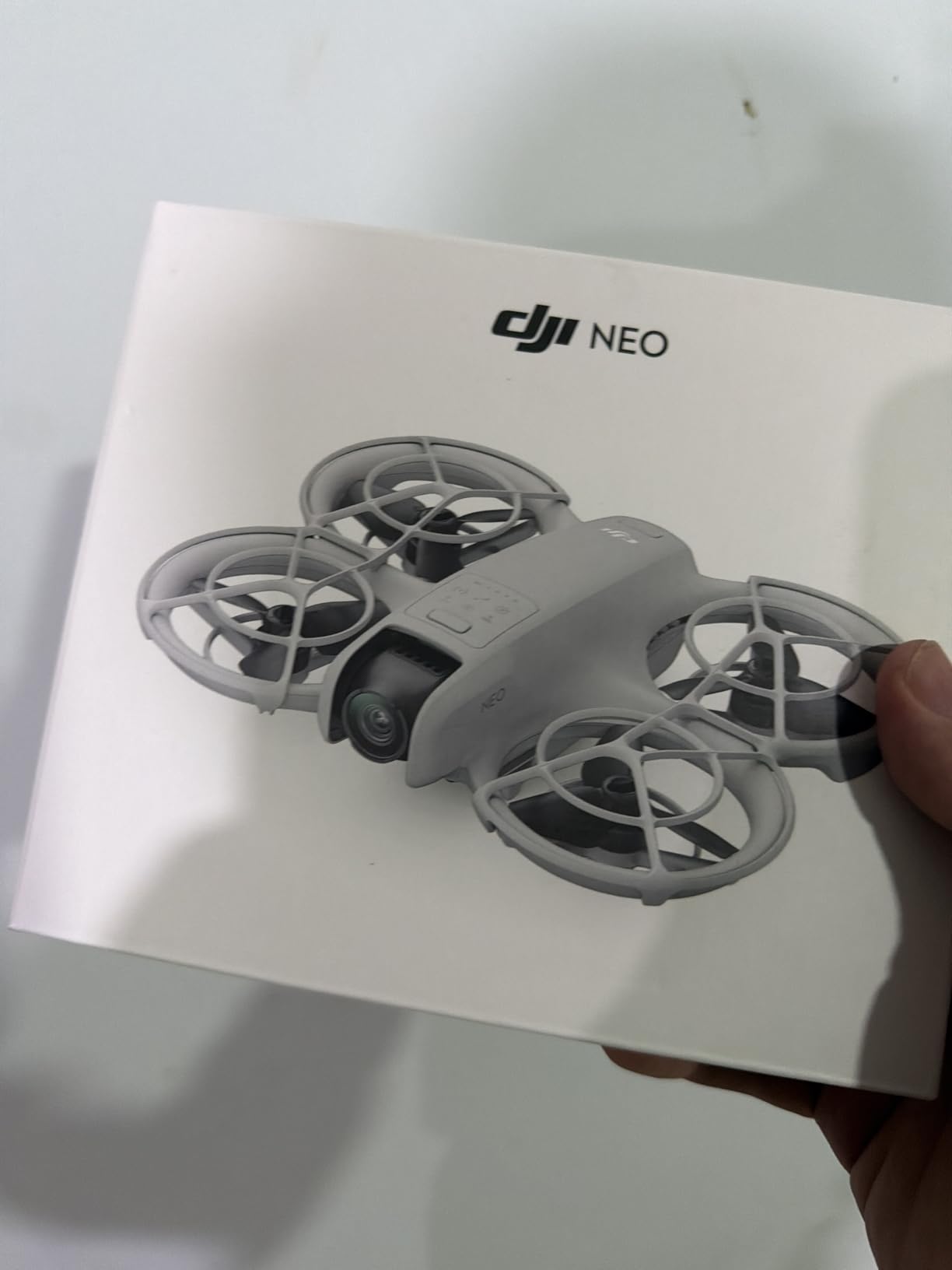
Our team spent more time with the Neo than any other drone in this roundup, because it is the one we kept reaching for. You set it on your palm, push the aircraft up, and it takes off on its own. There is no skill floor at all, which is exactly what a first drone needs when you have never flown anything before.
The stabilised video is better than the sensor size suggests. Owners regularly fly it through hallways and living rooms using vision positioning and report genuinely rock-steady hover, and the eight QuickShots modes plus subject tracking handle the flying for you on most outings. At 135 grams it folds into a pocket and weighs less than a paperback.
What you give up is endurance. Real flight time lands around 14 to 18 minutes, and there is no microSD slot, so everything records to roughly 22GB of internal storage and you offload through the app afterwards. For a 90-second clip on a walking loop that is plenty. For an afternoon of shooting it is not.
Video is captured in 4K UHD horizontal at 30fps with DJI stabilisation, and the results are usable for social clips even though some owners find the image quality close to an entry-level phone. There is no zoom, and a few users report oversharpened or oversaturated output on certain modes.
The more important gap is vertical capture. Despite being marketed squarely at short-form content, the Neo has no vertical shooting mode, so framing for Reels, Shorts or TikTok means cropping in post. The Potensic ATOM 2 at pick three handles native vertical capture properly.
Recharge is fast for the class and works from a power bank, which partly offsets the short endurance. The real friction is software: the DJI Fly app has been removed from Google Play, so Android users must download it from the DJI site before the aircraft will activate. iPhone owners avoid this entirely.
Tracking can also lose the subject during hard turns or at faster running speeds, so slow walking and hiking shots are the reliable use case rather than action sports.
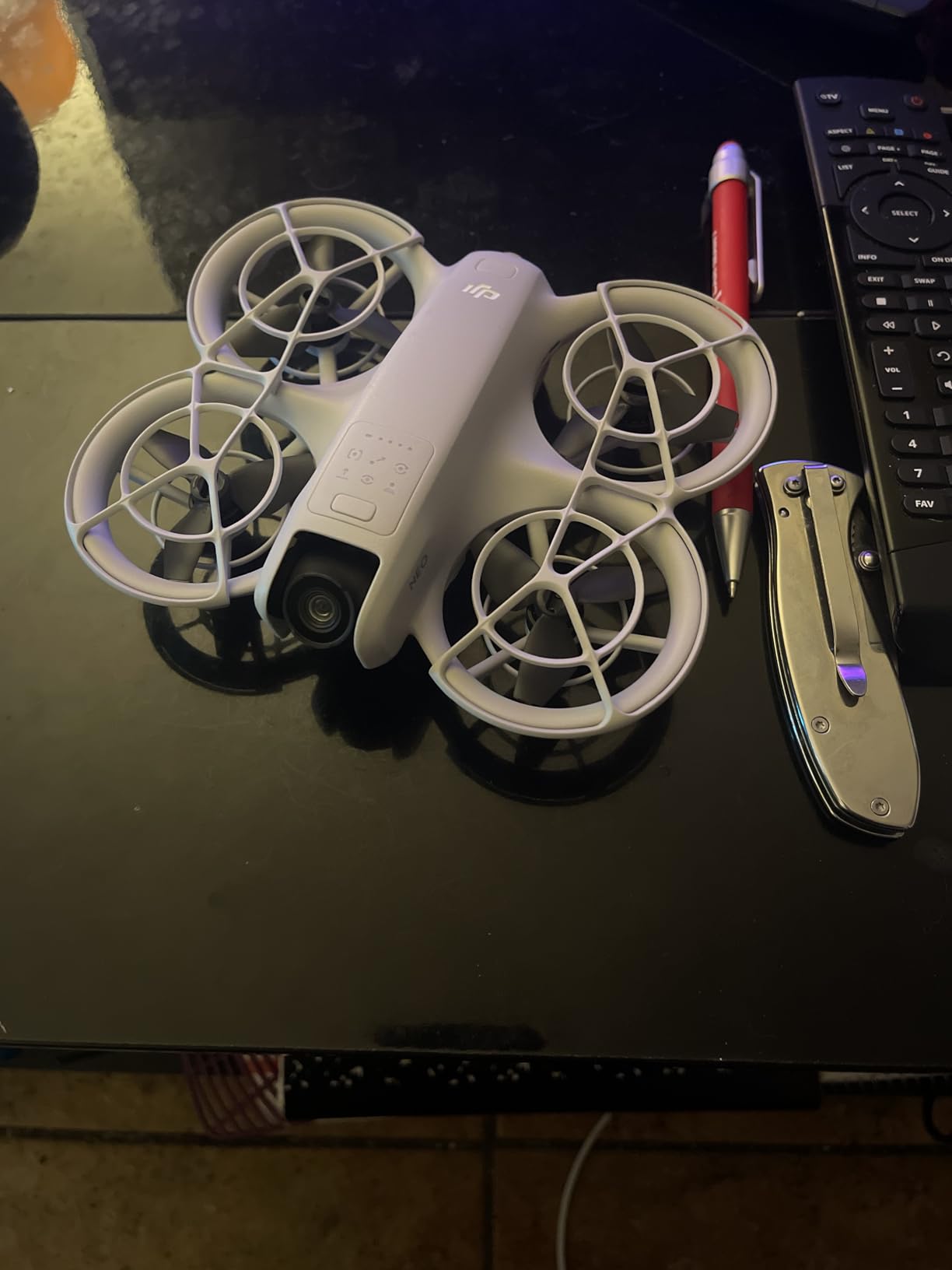
Buy the Neo if you want the shortest possible path to a flying camera, if you will mostly shoot short clips near home, or if you want to practise indoors and outdoors without worrying about a blade. It is also the safest option on this list for flying around people.
Skip the Neo if you need long sessions, a proper microSD workflow, or a native vertical format. Anyone who wants to fly beyond about a city block will find the phone-only control limiting, because adding the optional RC controller moves the price up a tier.
240g take-off weight
3-axis mechanical gimbal
Up to 31 min per battery
10km transmission
The Mini 4K is the drone we recommend to anyone who says their main worry is that their footage will shake. A mechanical 3-axis gimbal physically rotates the camera to cancel aircraft movement, and at 240 grams it is still under the 249 gram registration threshold in the US.
Wind handling is where it separates from the hobby tier. Brushless motors and level 5 wind resistance rated to 38kph mean it holds position in a breeze that would push a lighter drone sideways. For a new pilot working near water or on open ground, that margin is worth more than any spec on the list.

Footage records in 4K Ultra HD with 12MP stills in DNG and JPEG, on a gimbal that tilts up to 90 degrees. The difference between a mechanical gimbal and electronic image stabilisation is not subtle in practice: EIS crops and digitally smooths a fixed frame, so fast moves warp at the edges, while a real gimbal keeps the whole frame stable and level.
QuickShots modes include Helix, Dronie, Rocket, Circle and Boomerang, and one-tap takeoff and landing make the automated moves easy to trigger while the aircraft is still settling.
The published figure is 31 minutes per intelligent flight battery. In our flights and in owner reports, real time lands closer to 25 to 30 minutes, which is normal for this class. Bundles of two or three batteries are available and are the option we would pick, because one battery rarely covers a full session.
Transmission runs through DJI O2 technology out to a claimed 10km, with a takeoff altitude limit of 4,000 meters. As with every drone in this roundup, keep your aircraft in visual line of sight regardless of the number on the box.
Choose the Mini 4K if smooth video is the point of flying, if you plan to shoot outdoors where wind matters, or if you want the DJI app and control feel without stepping up to a premium body. It is also the easiest upgrade path later, because the ecosystem is the most beginner-friendly of any brand here.
Skip it if you plan to fly near obstacles, because this base model has no object avoidance or subject tracking. Zoom is limited to about 2x and the drone caps at 120m by default, so it is not a tool for distant work. Owners also report that genuine replacement propellers can be difficult to source.
245g take-off weight
1/2-inch Sony CMOS sensor
4K HDR at 30fps
10km control and transmission
The ATOM 2 is the pick for anyone who wants the most image capability per gram on this list. A 1/2-inch Sony CMOS sensor producing 48MP stills and 4K HDR video at 30fps is a step up in class from the small sensors used by most sub-250g drones, and it sits on a 3-axis gimbal.
It is also the only aircraft here that handles vertical capture natively, alongside a 4x digital zoom, panoramic mode, dolly zoom and slow motion. If your goal is short-form content rather than scenic footage, that feature list is the reason to buy this one over the cheaper alternatives.
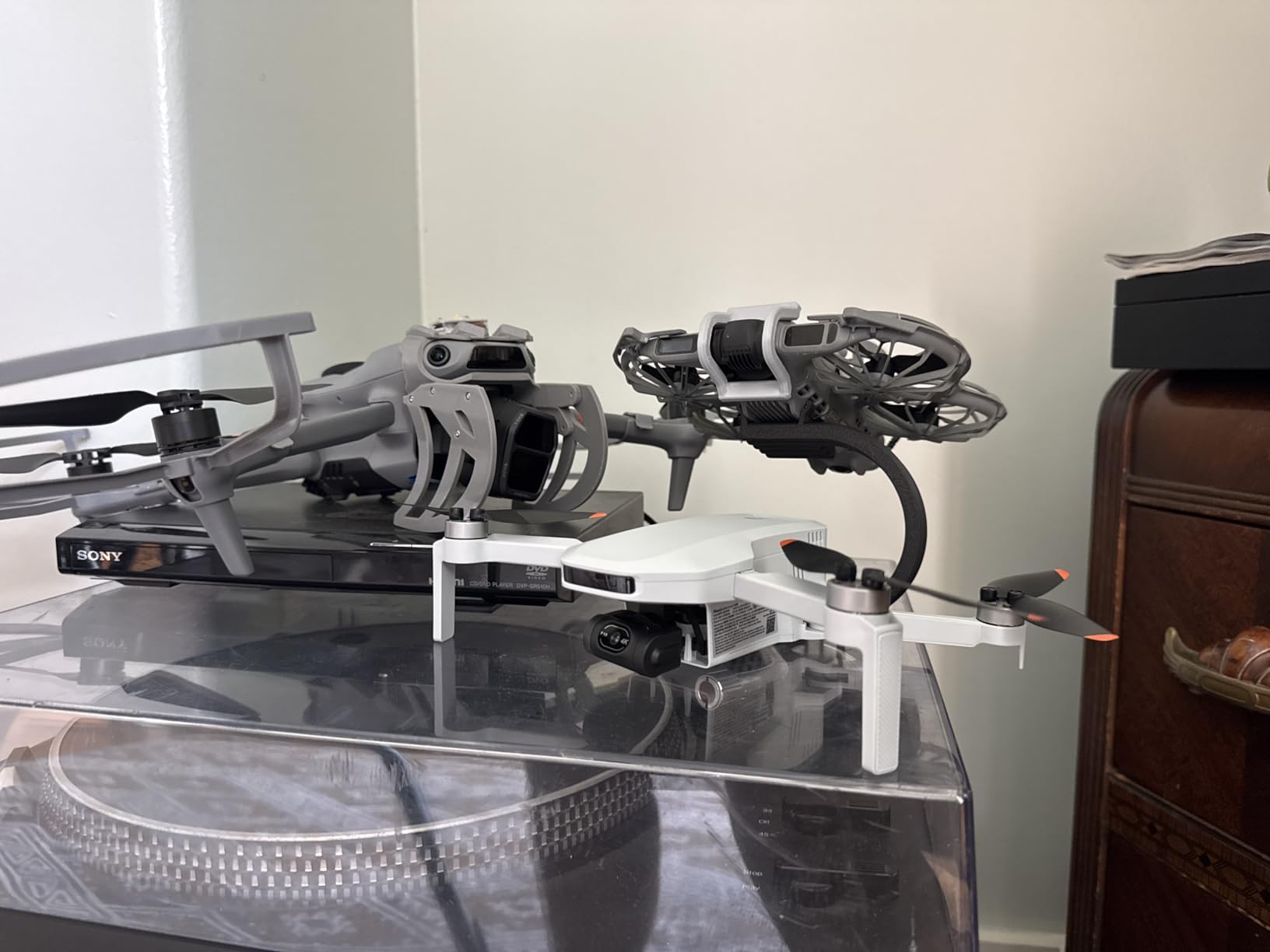
The F1.8 aperture with 4-in-1 pixel binning is what makes evening shoots workable on a drone this small. Larger sensors gather more light, so a 1/2-inch sensor holds more detail and tolerates higher ISO than the 1/3-inch sensors in the ATOM SE and HS360S. Owners consistently report the difference is visible in dusk footage.
4K HDR at 30fps is the main video format, with AI SpotLight, Follow and Parallel tracking modes for hands-free shots. PixSync 4.0 transmission with a directional antenna remote is rated to 10km, though the live view itself streams at 240p, which is the main compromise in this package.
Each 2330mAh battery gives up to 32 minutes of flight. The Standard Kit includes one battery, so out of the box you are looking at a single flight of roughly half an hour. That is the most common complaint in owner reviews, and buying a spare battery is close to essential for this model.
GNSS positioning supports a customisable home point, cruise control, automatic takeoff and landing, and a smart return to home. Set the return altitude before your first flight rather than accepting the default, which is one of the highest-engagement pieces of advice on the pilot forums.
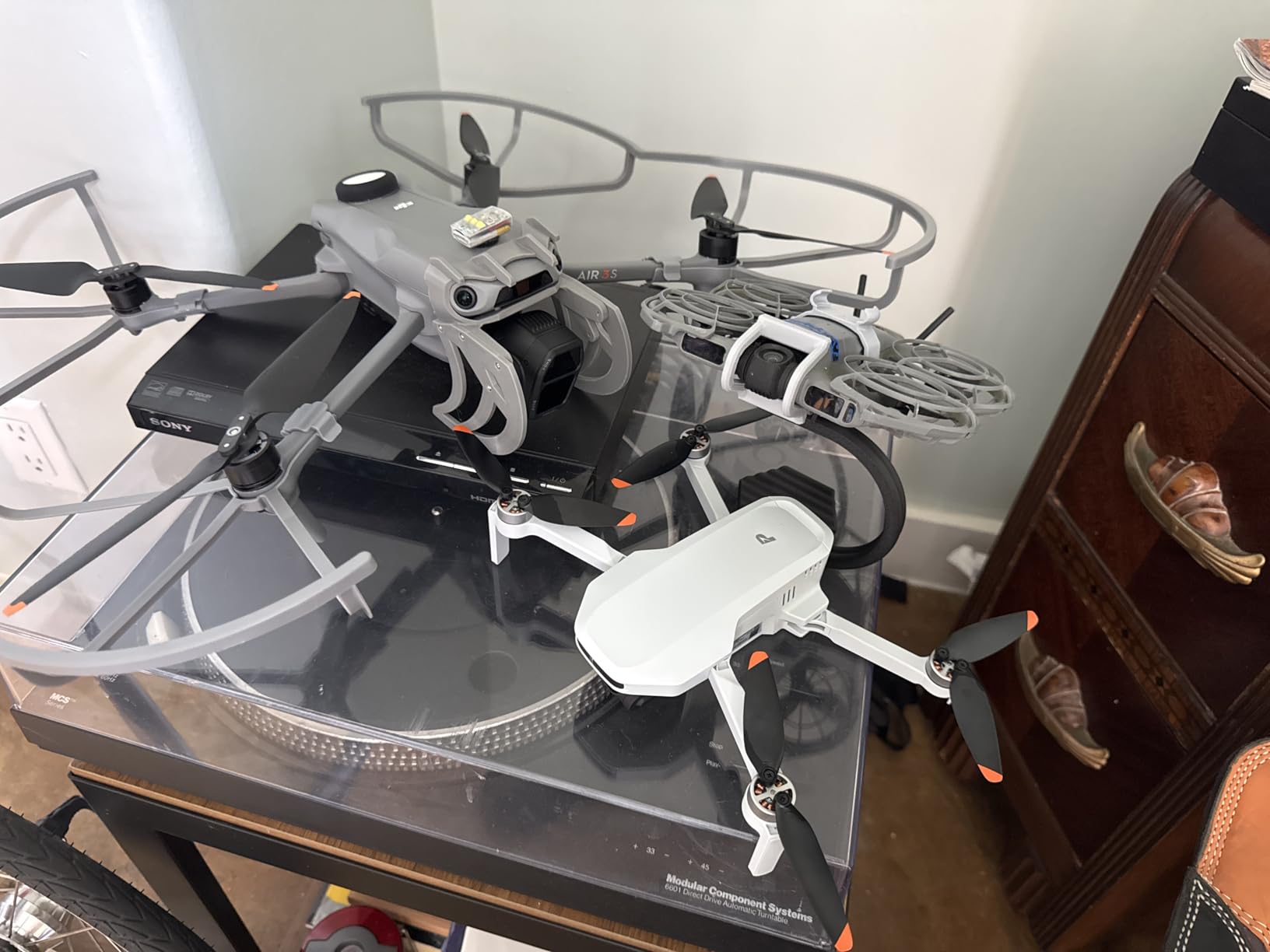
Buy the ATOM 2 if you want the best-looking footage without moving up in weight class, if vertical video is part of your workflow, or if you want tracking features that normally only appear on pricier bodies. It stays under 249g, so no registration paperwork is needed for recreational flight in the US.
Skip it if you want long flying days out of the box, or if you need obstacle avoidance, because this model has no sensing at all. Firmware updates have introduced new bugs for some users, so install them between flights rather than before a trip.
249g take-off weight
4K EIS on a 1/3-inch sensor
62 min across two batteries
4km PixSync 2.0 transmission
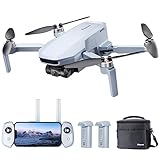
The ATOM SE is the strongest value pick in the roundup for one specific reason: two 2500mAh batteries are in the box. That is roughly 60 minutes of combined flight time, with 25 to 31 minutes per pack, and it removes the single most common complaint about entry-level drones.
Flight behaviour is genuinely easy. Sport mode tops out at 16 metres per second and reaches that in 2.8 seconds, but a beginner mode with a generous speed margin means you will rarely approach it. Owners report the GPS hold as rock solid and auto return landing within a few feet of the takeoff point.
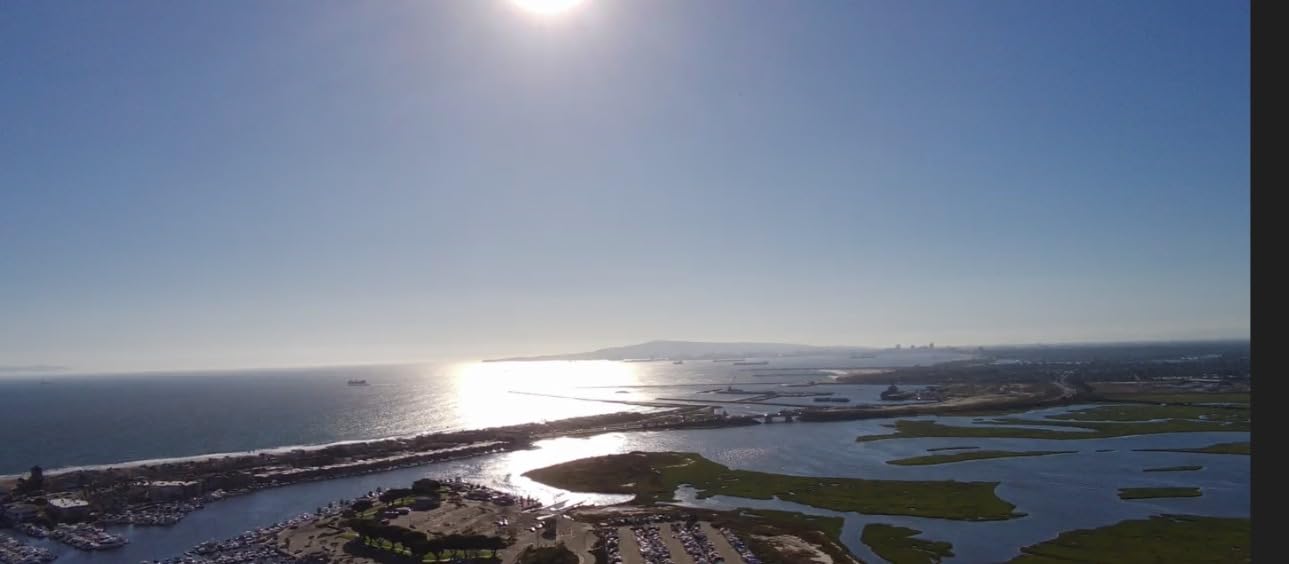
The camera is a 1/3-inch Sony sensor with a 118-degree field of view, recording 4K at 30fps using ShakeVanish electronic stabilisation. It tilts from 20 degrees up to 90 degrees down, which is enough for landscapes and reveals but not for overhead work.
The compromise is visible in the footage. Electronic stabilisation corrects for small shakes but cannot hold the frame level when the aircraft yaws, so clips show a shift on turns. There is also no zoom, because the focal length is fixed. Owners rate the support team as responsive and helpful, which matters for a first-time buyer.
PixSync 2.0 transmission is rated to 4km, or 13,123 feet. In practice, reviewers consistently report real control range well under that figure, and our own rule is to treat the number as a ceiling rather than a target. Stay in visual line of sight regardless.
Two batteries also means you can plan a proper outing: fly one pack, swap while the other charges, and keep going. The folding design and included portable handbag make it easy to pack.

Choose the ATOM SE if your priority is flying time and predictable handling on a limited budget, or if you want a two-battery kit without stepping up a price tier. It is also a good choice if you are buying for an adult beginner who will fly a lot and charge a lot.
Skip it if video quality is the main event, since there is no mechanical gimbal and no zoom. It is not suitable near obstacles, and the light weight means it drifts more in stronger wind than the DJI Mini 4K.
7.58 oz take-off weight
4K stills on a 110-degree lens
46 min across two batteries
GPS auto return
The HS175D is the pick for the pilot who openly expects to crash a lot. On the r/drones and r/Multicopter budget threads, the most common request is something inexpensive that can take a few drops, and this is the drone that keeps coming up as the answer. At 7.58 ounces with brushless motors, it absorbs bumps that would end a heavier aircraft.
GPS return to home triggers on signal loss, out of range or low battery, and owners report it as reliable. Two batteries give 40-plus minutes of combined flight, and the foldable body and included case make it a genuine travel companion rather than a garden toy.
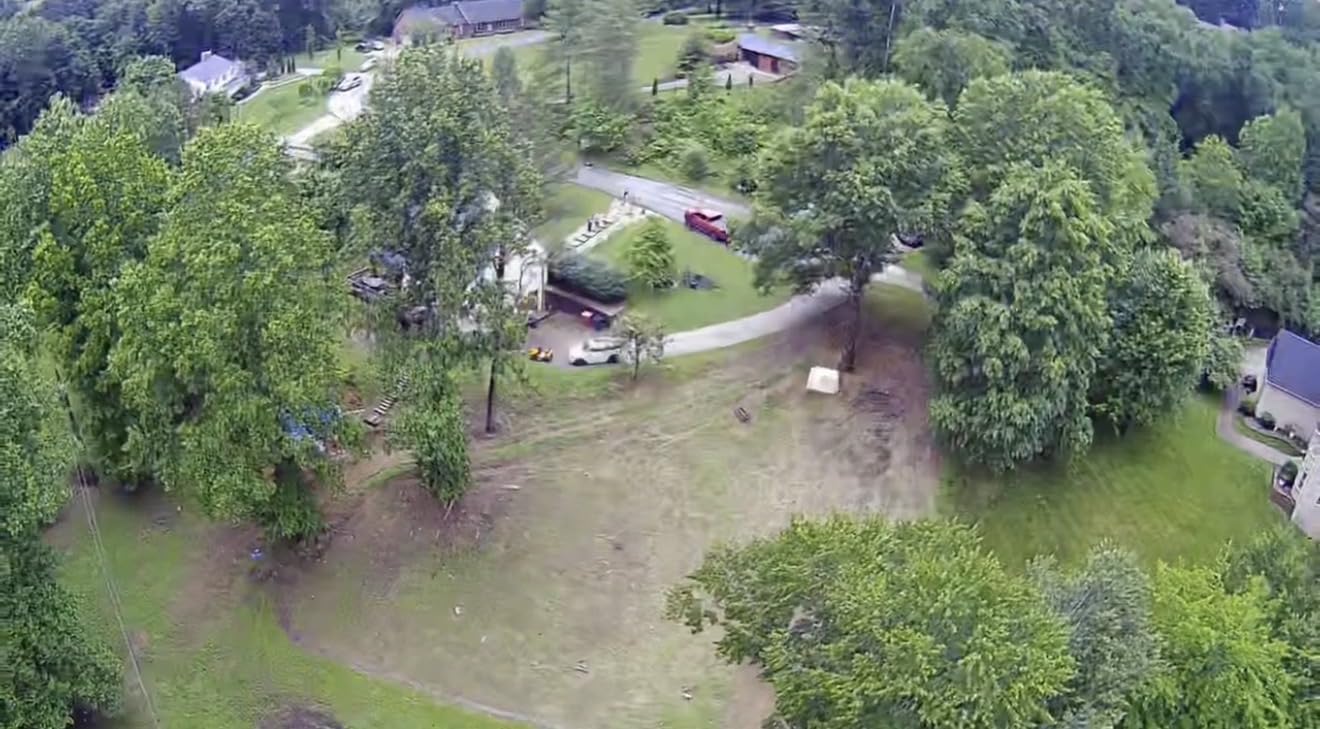
Photos are the strength here. The 4K still camera uses a 110-degree wide-angle lens with an adjustable angle up to 90 degrees, and owners consistently rate the images as sharp for a drone at this level. Video capture is 3840×2160 in MP4 with JPEG stills, streamed over 5GHz.
There is no gimbal of any kind, so moving video is noticeably shaky and jerky. If you are buying this one, plan to shoot stills and gentle slow-moving clips rather than anything dynamic. Reviewers also note that the camera is a CMOS sensor without image stabilisation.
The most repeated criticism is not about flying but about starting. GPS satellite sync and compass calibration can be slow or need several retries, and pilots on the Mavic Pilots forums are near-universal that you should wait for a firm GPS lock and a recorded home point before every takeoff, not just the first one.
Range is quoted at 500 meters, and real-world control range falls well short for some users. The drone also drifts more in moderate wind because of its low mass, and batteries lose charge quickly when stored unused, so charge them the day before you plan to fly.
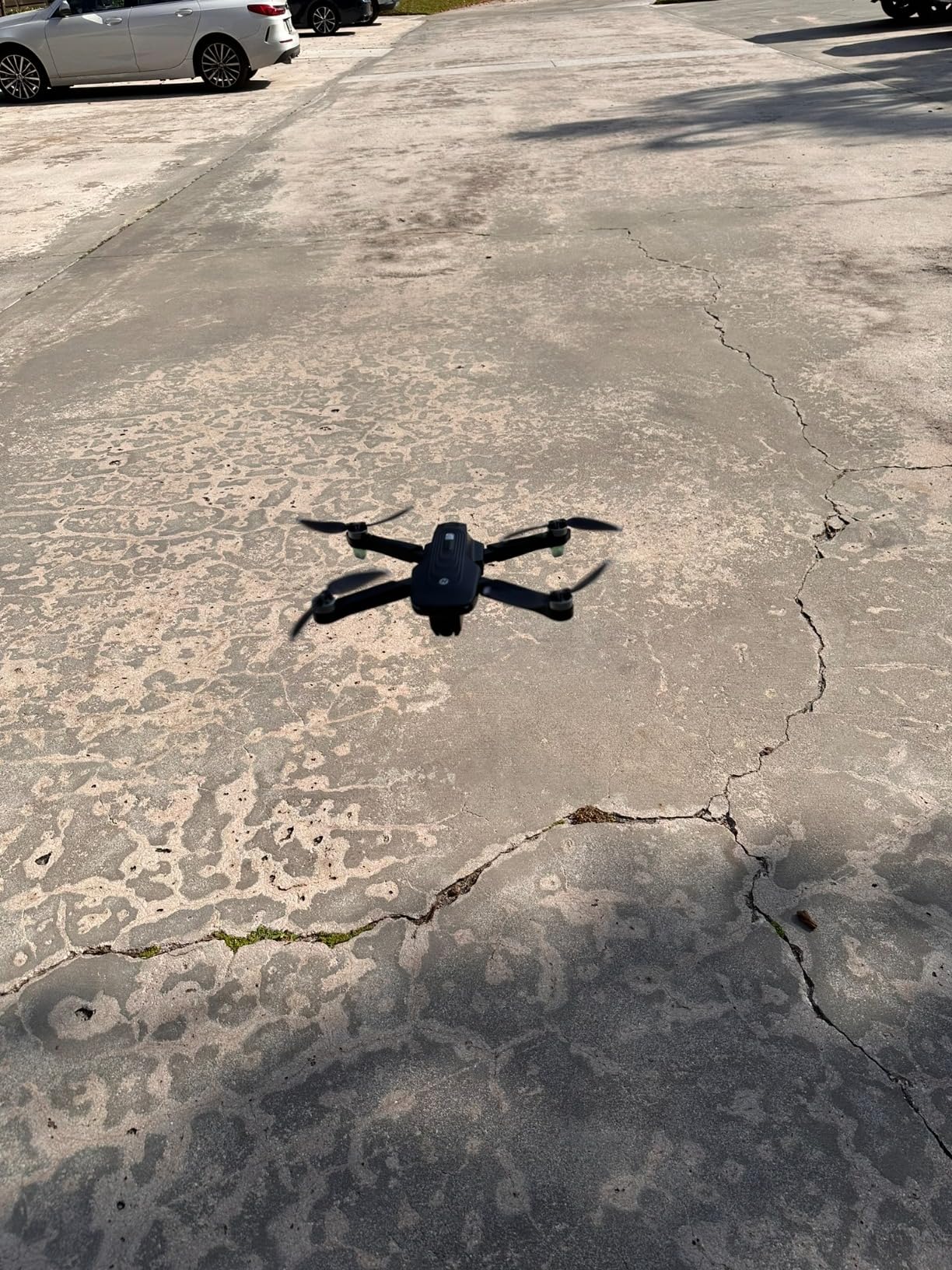
Buy the HS175D if this is a first drone, if the budget is the main constraint, or if the aircraft is likely to end up in a tree. It is listed for ages 14 and up, and the beginner controls include altitude hold, optical flow, headless mode and one-key takeoff and landing.
Skip it if you want to shoot video, because no stabilisation of any kind is fitted. The 4.1 average rating across more than 7,600 reviews reflects owners who bought it for stills and flying practice rather than footage.
213g take-off weight
4K UHD camera
10000 feet claimed range
5GHz transmission
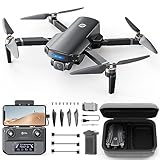
The HS360S is the pick when the short range ceiling on most entry drones feels restrictive. At 213 grams it stays under the registration threshold while offering a claimed 10,000 feet of control range on 5GHz transmission, and owners report stable video and control out to several hundred metres in practice.
Setup is the easiest on this list. It is a genuine first-time-flyer machine, with beginner mode, optical flow positioning, Follow Me, Waypoint Flight and Point of Interest modes, and a box that includes a carrying case, spare propellers and a screwdriver.
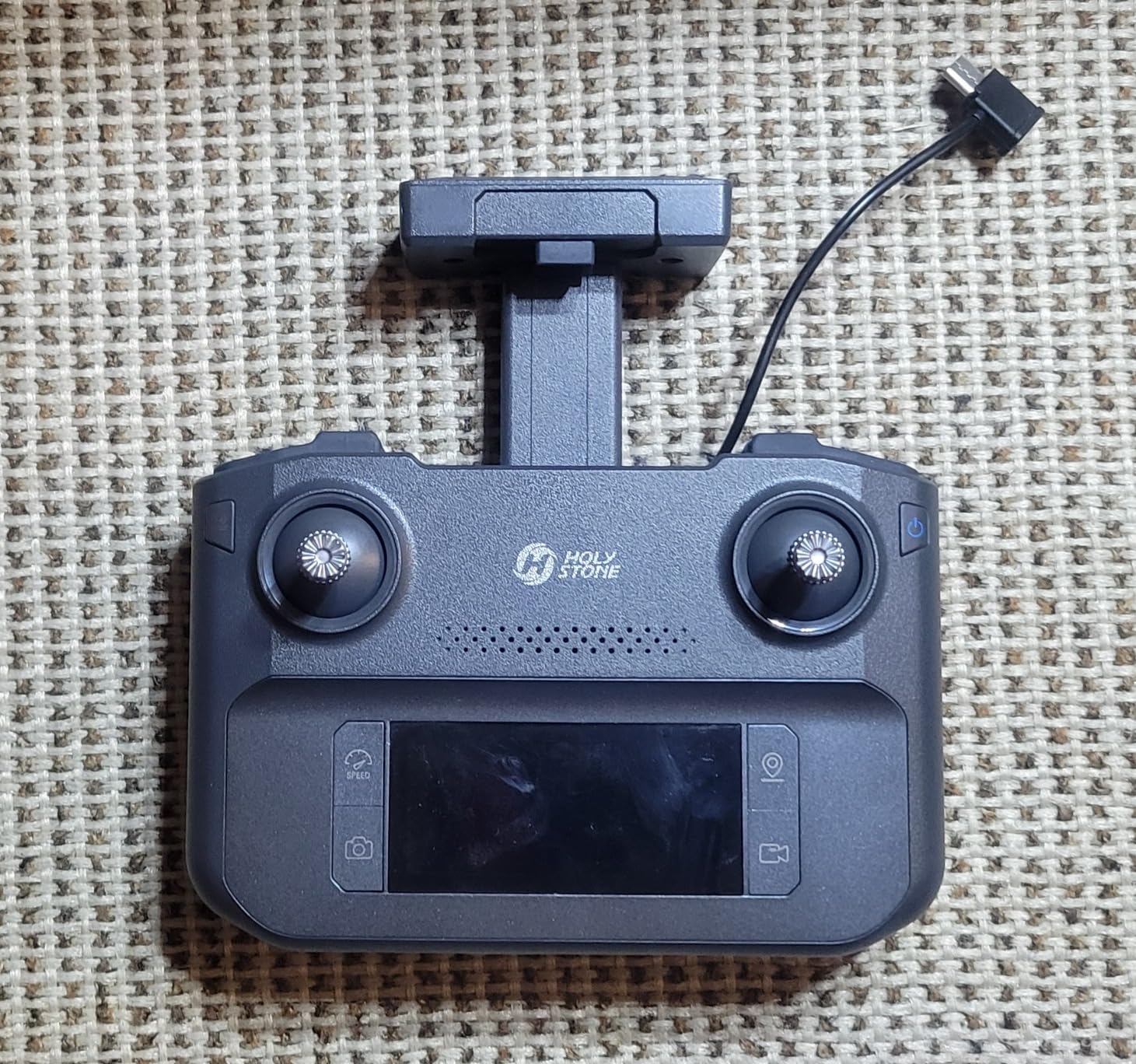
The 1/3-inch GalaxyCore CMOS sensor with an 85-degree wide angle records 4K UHD, and the tilt adjusts up to 90 degrees from the remote or the app. The problem is that there is no image stabilisation and no gimbal, and owners describe the resulting video as choppy and disorienting at speed.
Slow hovering shots and stills work fine. Anything with lateral movement will not hold up in a finished edit, so treat this as an aircraft for learning to fly rather than for producing footage.
Only one battery ships in the box and it charges slowly, which is the clearest reason to buy a spare. The controls also feel coarse to some users, with a narrow useful speed band and a reported tendency to drift right when trimmed forward, so expect a short adjustment period.
A small number of owners report a hovering or toilet-bowl oscillation developing after a few flights. If that happens, recalibrate rather than pushing through it, and keep the aircraft in open space until the behaviour settles.
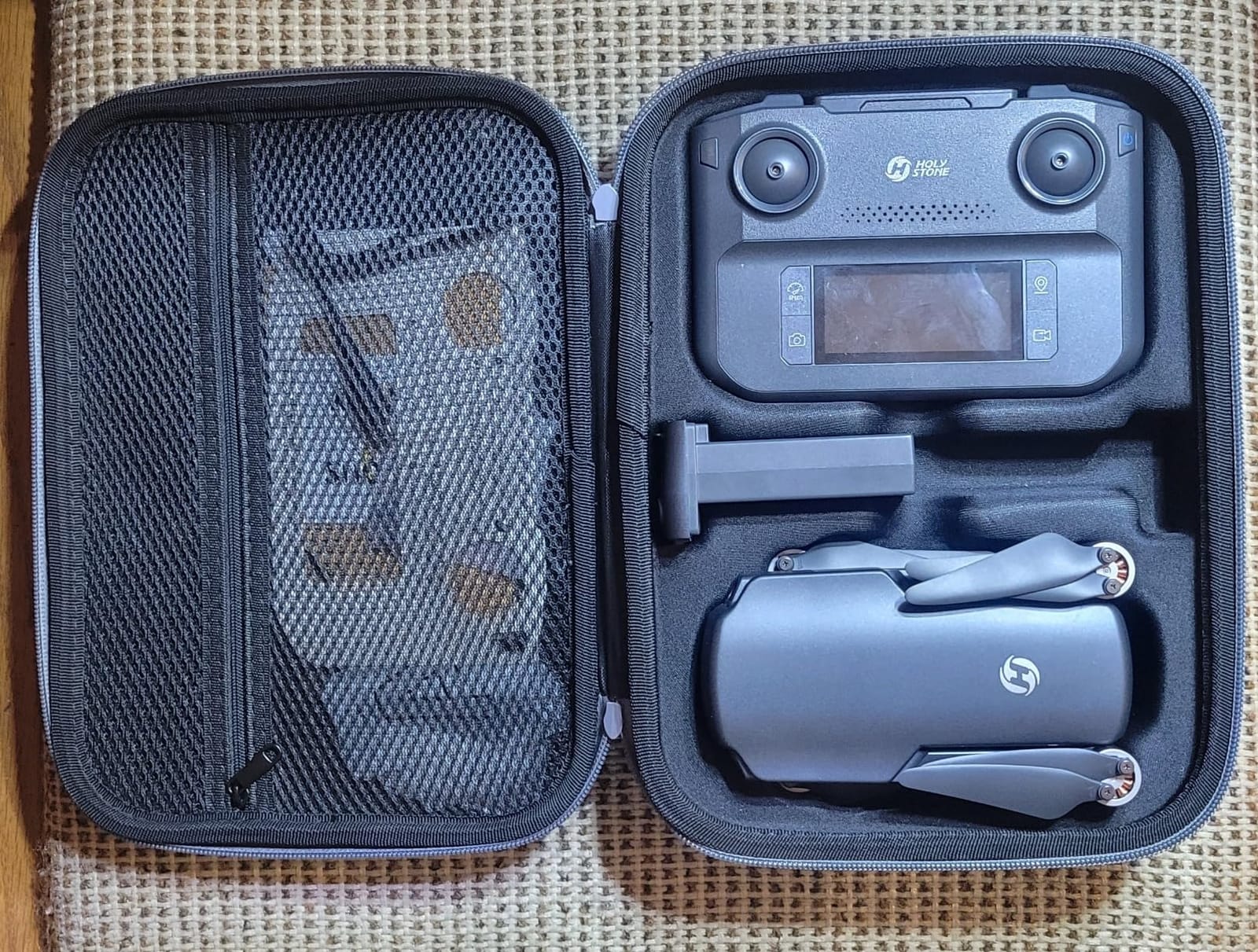
Choose the HS360S if you want more room to explore than a short-range entry drone allows, if you are still deciding whether the hobby will stick, and if you mainly want to learn control on a durable craft. Several functions require the app, so budget time for setup.
Skip it if video quality is your priority, or if you want to fly more than one battery per session without buying extras. It also overlaps heavily with the HS175D at pick five, which is the better option if your range needs are modest.
248g take-off weight
5.5 inch 1080P touchscreen remote
1/2 inch sensor with 48MP stills
Two intelligent batteries included
The U11MINI 4K RC3 solves the most common beginner complaint about entry drones, which is the controller. Instead of a phone holder, it has a built-in 5.5-inch 1080P touchscreen remote, so there is no cable, no app-permission prompt and no chance of your phone dying mid-flight. For a first-timer that is a real quality-of-life difference.
The aircraft itself is properly specced. A 3-axis brushless mechanical gimbal, a 1/2-inch CMOS sensor producing 48MP stills and 4K at 30fps, and two intelligent batteries with PD 3.0 fast charging. Positioning combines GPS, barometric, time-of-flight and optical flow.
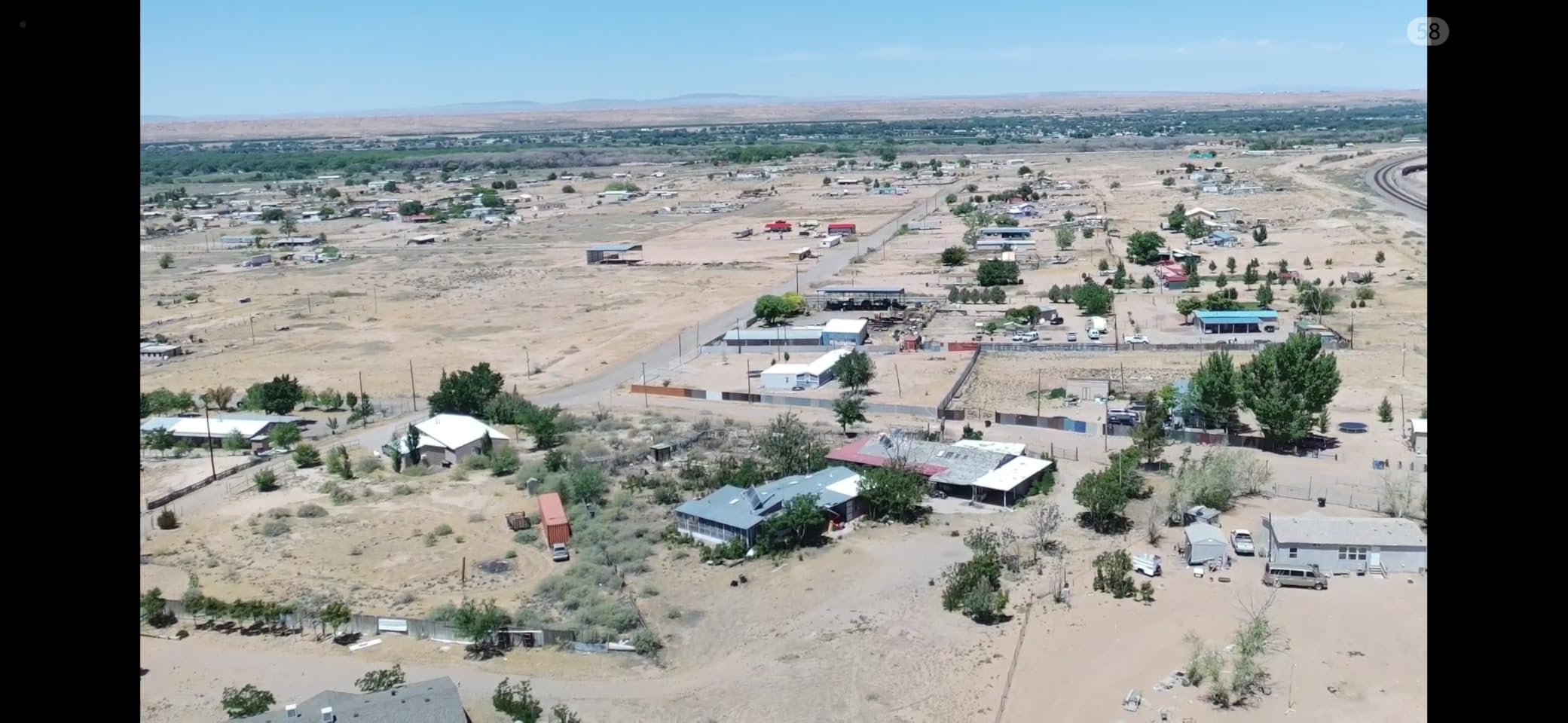
Phone-as-controller works, but it adds friction at exactly the moment a new pilot needs fewer things to think about. Cable compatibility, screen brightness, notification banners and battery drain all become flight problems. The integrated remote removes that entire category, and it also means your phone can stay in your pocket.
The tradeoffs are physical rather than electronic. The screen suffers glare in direct sunlight, which matters because you will be flying outdoors, and the controller has its own battery that can run down during a long session. Budget for charging two things instead of one.
R2 digital transmission runs up to 20,000 feet without relying on Wi-Fi, which means fewer connection drops in areas with heavy wireless congestion. AI takeoff and landing, one-key return, failsafe returns and a built-in beeper round out the safety set.
At 248 grams you stay under the 249 gram threshold, so recreational flight in the US needs no registration and no Remote ID module. Treat any 8K photo mode as a resolution interpolation rather than genuine extra sensor detail, so judge stills from the 48MP output.
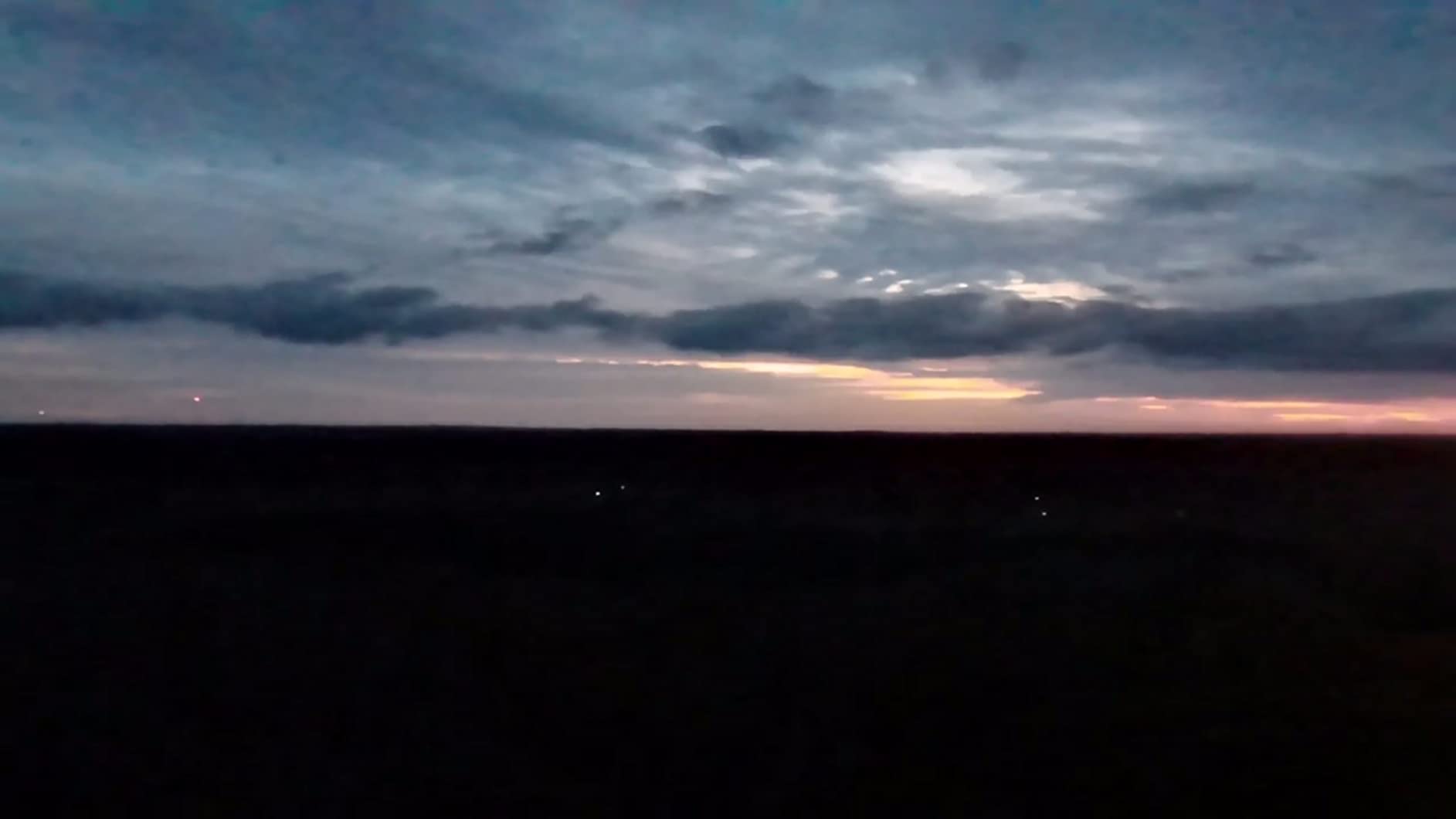
Buy the Ruko if you want a screen in your hands from day one, if you share a drone with someone whose phone is not to hand, or if you dislike the app dependency of the cheaper picks. It is also the best-equipped option here for extended sessions, given the dual battery.
Skip it on value grounds if you are starting on a tight budget, since it carries the highest price of any sub-250g drone in this roundup. There are no obstacle avoidance sensors despite that price, and flying at midday in bright sun is the worst case for the screen.
249g take-off weight
3-axis gimbal with a 1/2 inch Sony sensor
96 min across three batteries
6km PixSync 3.0
The original Potensic ATOM is the endurance champion of this roundup. The Fly More Combo includes three intelligent batteries for up to 96 minutes of total flight time, and a 60W parallel charging hub refills all three in about 1.3 hours. For a beginner who wants to learn rather than hover in a field for ten minutes, that is the practical difference between a toy and a tool.
The 3-axis brushless mechanical gimbal over a 1/2-inch Sony CMOS sensor produces 4K at 30fps and 12MP stills, and it holds steady in level wind conditions well enough that reviewers describe the footage as noticeably smooth. SurgeFly flight controls are stable and forgiving.
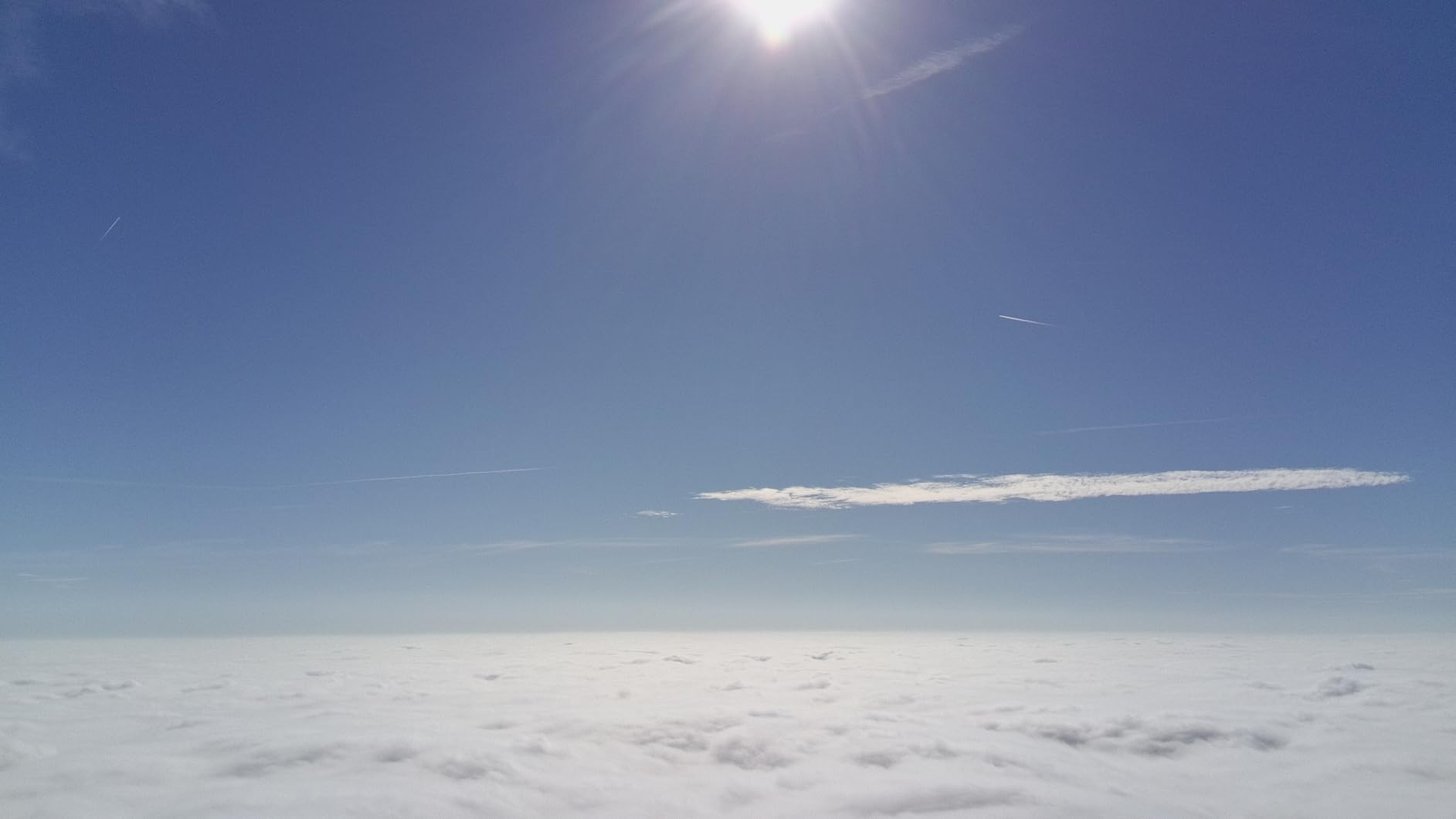
The gimbal is the reason to buy this over a cheaper ATOM SE. A mechanical three-axis unit keeps the frame level through yaw and pitch changes, where electronic stabilisation cannot. If your plan is to pan across a landscape, that difference is visible immediately.
The trade is stills resolution. 12MP from a 1/2-inch sensor is fine for social and screen viewing, but it is well behind the 48MP output of the ATOM 2 and the Ruko. The effective still resolution listing is also lower than competing drones claim.
The parallel hub charges all three batteries in roughly 1.3 hours, which is fast for the class but still a long wait compared with a single pack. Plan to fly while you charge rather than sitting beside a wall.
Video modes cover 4K, 2.7K and 1080P at multiple frame rates, and QuickShots include Pull-Away, Rocket, Circle, Spiral and Boomerang alongside visual tracking. The box includes a portable handbag, a camera protector, eight extra propeller pairs, a 64GB microSD card and the hub, which makes it one of the most complete kits here.
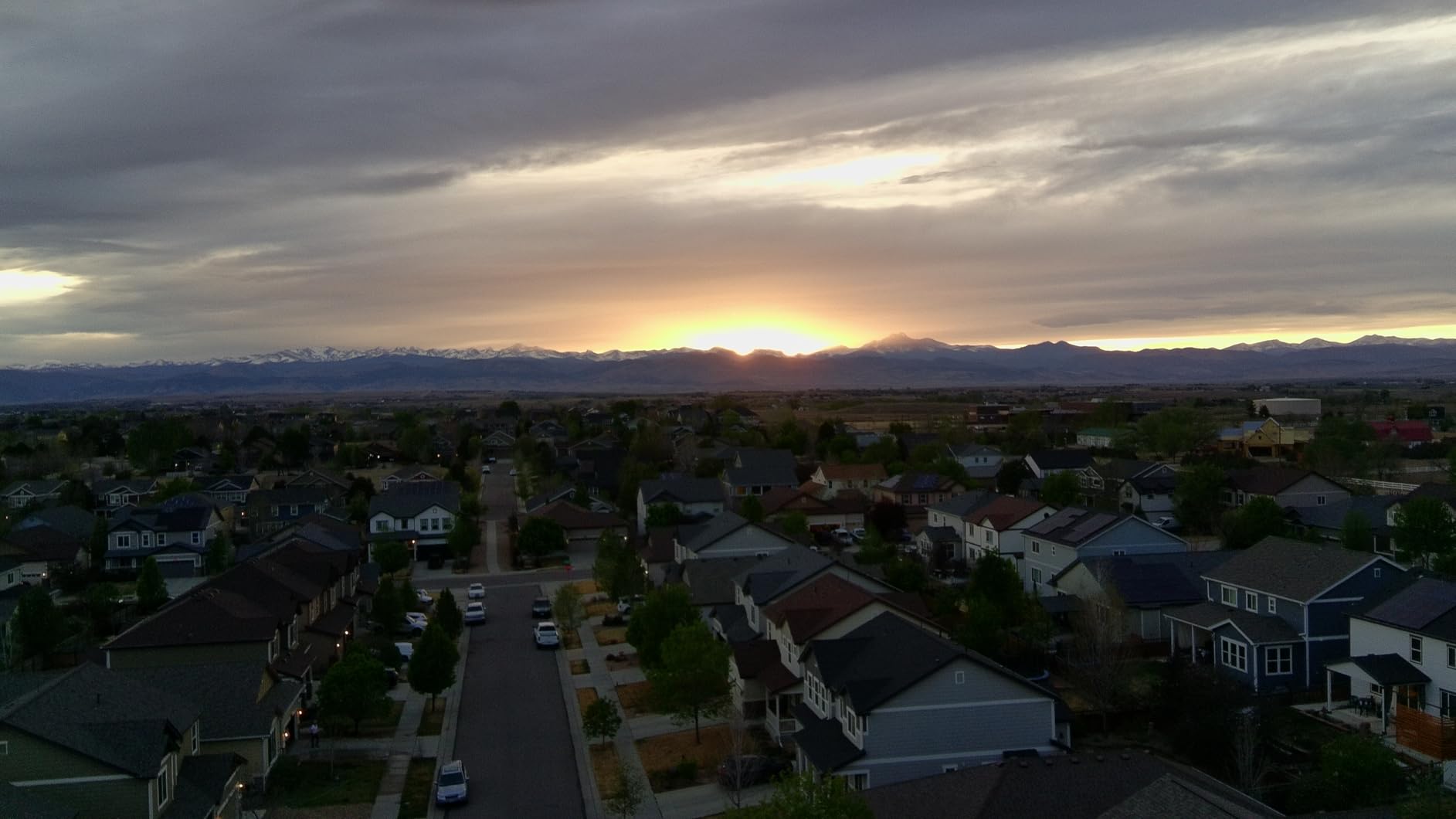
Choose the ATOM if you want to fly a lot in a single session, if gimbal stabilisation matters more than stills resolution, or if you prefer a complete kit with a card and spares in the box. It stays under 249 grams, so no registration is required for recreational flying in the US.
Skip it if you want high-resolution stills, if you need obstacle avoidance near trees, or if you fly in areas where GPS positioning struggles, since owners report it is less refined than DJI systems under some conditions.
375.5g take-off weight
3-axis gimbal, 6K stills, 4K video
Two 3200mAh batteries, up to 60 min
Built-in Remote ID
The HS790 is the only aircraft here that breaks the sub-250g rule, and that is a feature rather than an oversight for some buyers. Built-in Remote ID means the aircraft broadcasts its identification without a separate module, which is what the FAA rule change requires of drones over 249 grams. If you need to fly legally above that weight without bolting a module onto the frame, this is the pick.
The hardware underneath is strong. A 3-axis mechanical gimbal carries 6K stills and 4K at 30fps from a Sony 1/3.2-inch CMOS sensor with an f/2.0 aperture, and the two 3200mAh intelligent batteries give up to 60 minutes combined. The smart PD charging hub doubles as a power bank, a small touch that matters on a long day out.
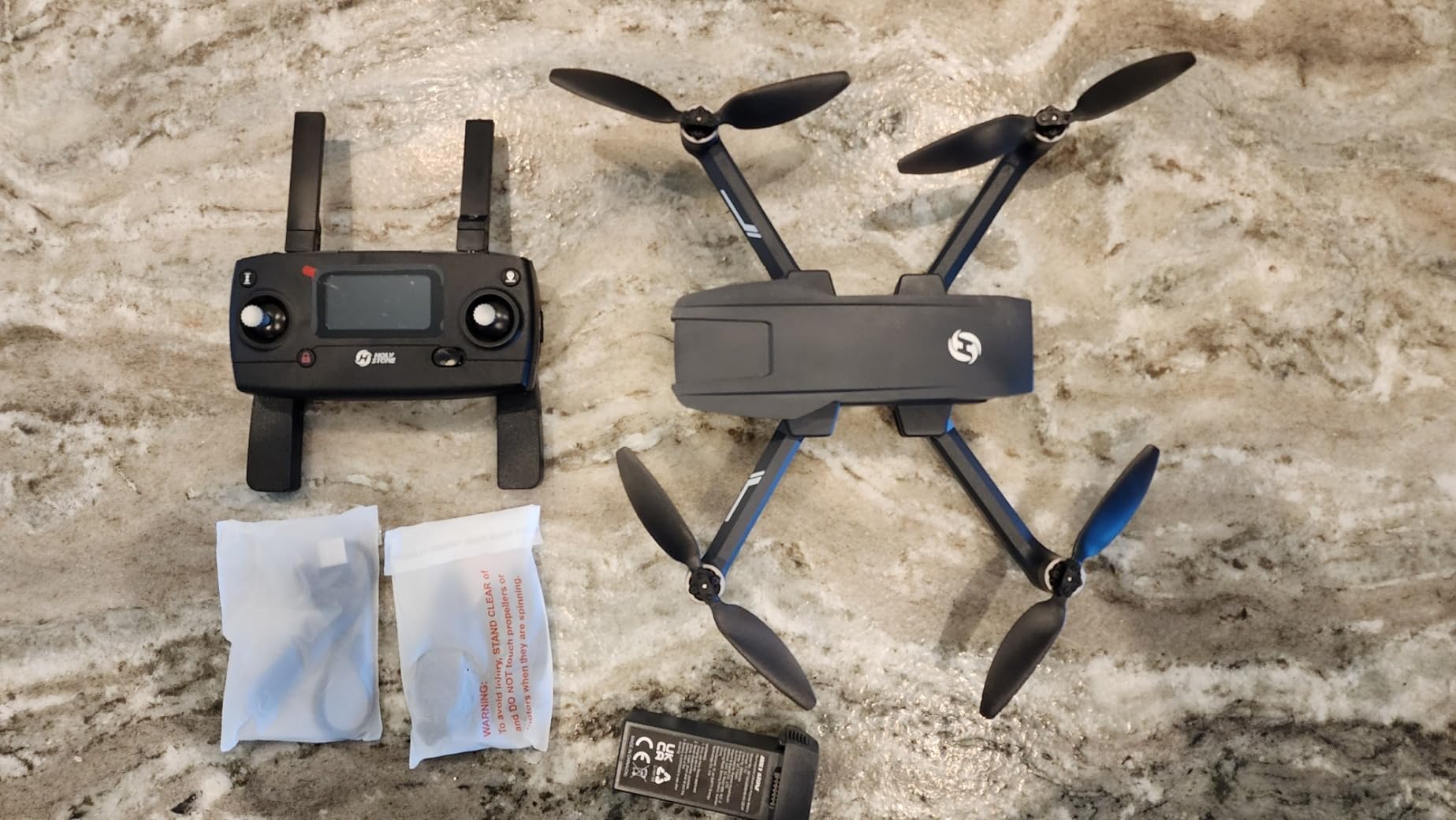
At 375.5 grams, the HS790 requires FAA registration in the US and you must fly it under the recreational rules. It also cannot use the C0 lightweight classification that makes the sub-249g drones easier to fly near people. If paperwork is why you wanted a small drone, this is the wrong pick.
The benefit of the extra mass is wind performance. Level 5 wind resistance and 1506 brushless motors let it hold position in conditions that would ground a 135g aircraft, and reviewers credit that with noticeably smoother gimbal footage in wind.
AI night shot mode and AI QuickShots make this the most versatile aircraft for evening and low-light work in the roundup, alongside Follow Me, Waypoint Flight and auto return home. Beginner autopilot functions include one-key takeoff, landing and return.
Be careful with the 6K figure. Reviewers consistently treat it as a resolution interpolation rather than additional detail, so photo quality is modest for the class despite the headline number. The stated 9km transmission is also worth treating as a ceiling rather than a working range.
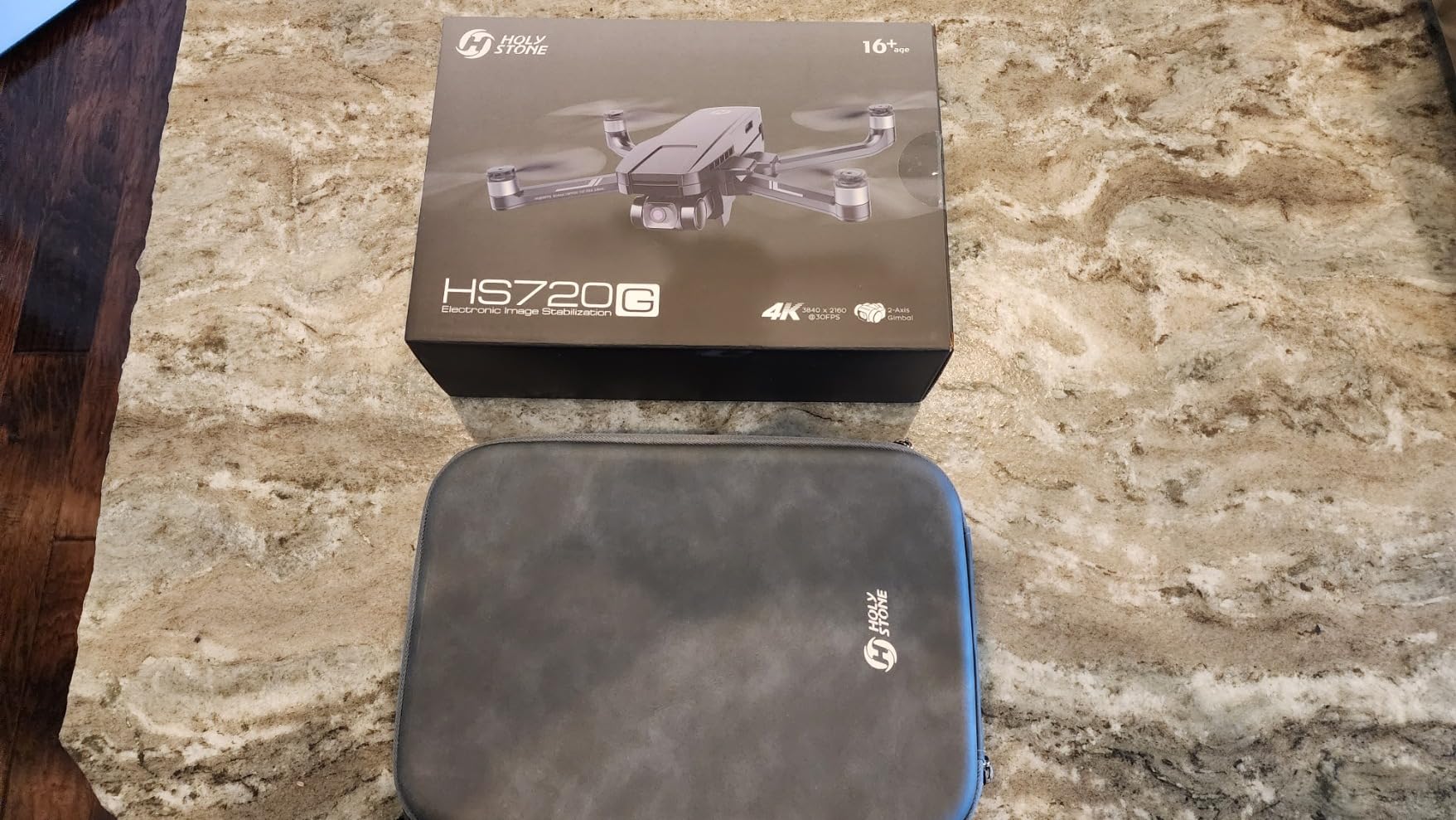
Buy the HS790 if you need to fly above 249 grams and want Remote ID handled in hardware rather than with a bolt-on module, or if you shoot at dusk and want a night mode with gimbal stabilisation. The dual battery and power bank hub suit long working days.
Skip it if you want to avoid registration, if you need to travel light, or if you fly near obstacles, since it has no obstacle avoidance. The foldable body and case are also bulkier to carry than any sub-249g model here.
151g take-off weight with C0 certification
Omnidirectional obstacle sensing
Palm takeoff, landing and gesture control
ActiveTrack and SelfieShot
The Neo 2 carries the highest average rating of any drone in this roundup at 4.6 across more than 1,200 reviews, and the reason is specific: omnidirectional obstacle sensing in a 151 gram body. That is the safety feature most people buying a first drone assume they get and usually do not, and here it arrives in a package that folds to 6.74 by 5.8 inches.
Everything the original Neo did well is still here. Palm takeoff and landing, gesture control, ActiveTrack subject tracking and SelfieShot for hands-free clips, plus C0 certification. Apple Watch support shows live feed, flight status and voice control on your wrist, which is a genuinely useful addition for checking battery without reaching for the phone.
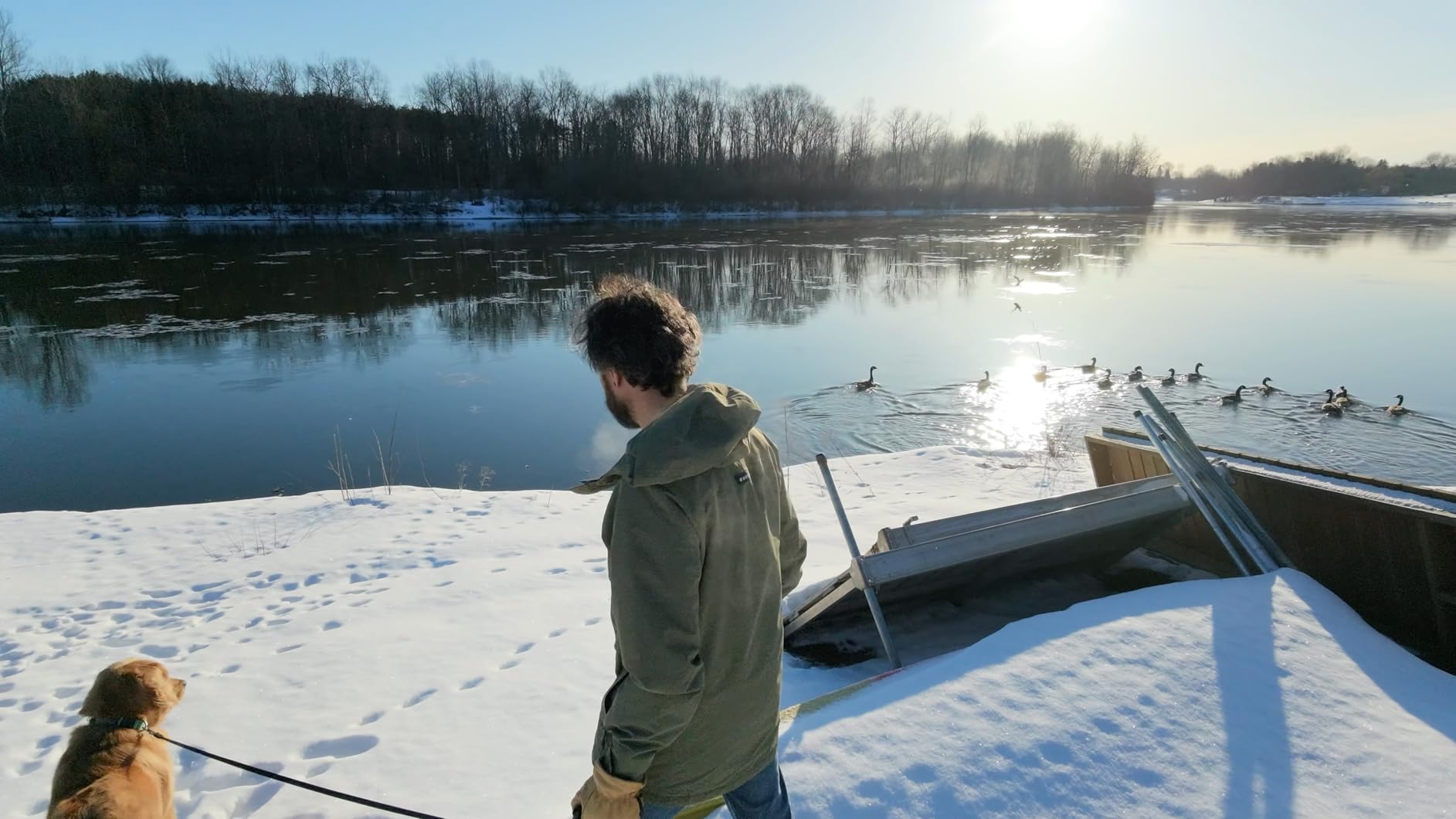
It does not make the drone autonomous. It means the aircraft detects obstacles in its flight path and stops or diverts rather than continuing into a branch, wall or person. For a new pilot, that converts a lot of potential write-offs into non-events, particularly when you are learning to fly close to a hedge line.
Full-coverage removable propeller guards wrap the rotors, so indoor and close-range flying is genuinely safe. At 151g with vision positioning, it also holds a stable hover indoors, which is the easiest place to build confidence before taking it outside.
This listing is the drone-only package, which ships with a single intelligent flight battery. If you want more than one short flight per session, buy a spare before you leave.
Video is 4K with 12MP stills, which is modest for large prints but serviceable for screen content. The DJI Fly app must be downloaded from the DJI site for activation, and ranged flight and the more advanced modes depend on optional controllers or accessories, so treat the 10km maximum range as a capability of the ecosystem rather than of the bare package.
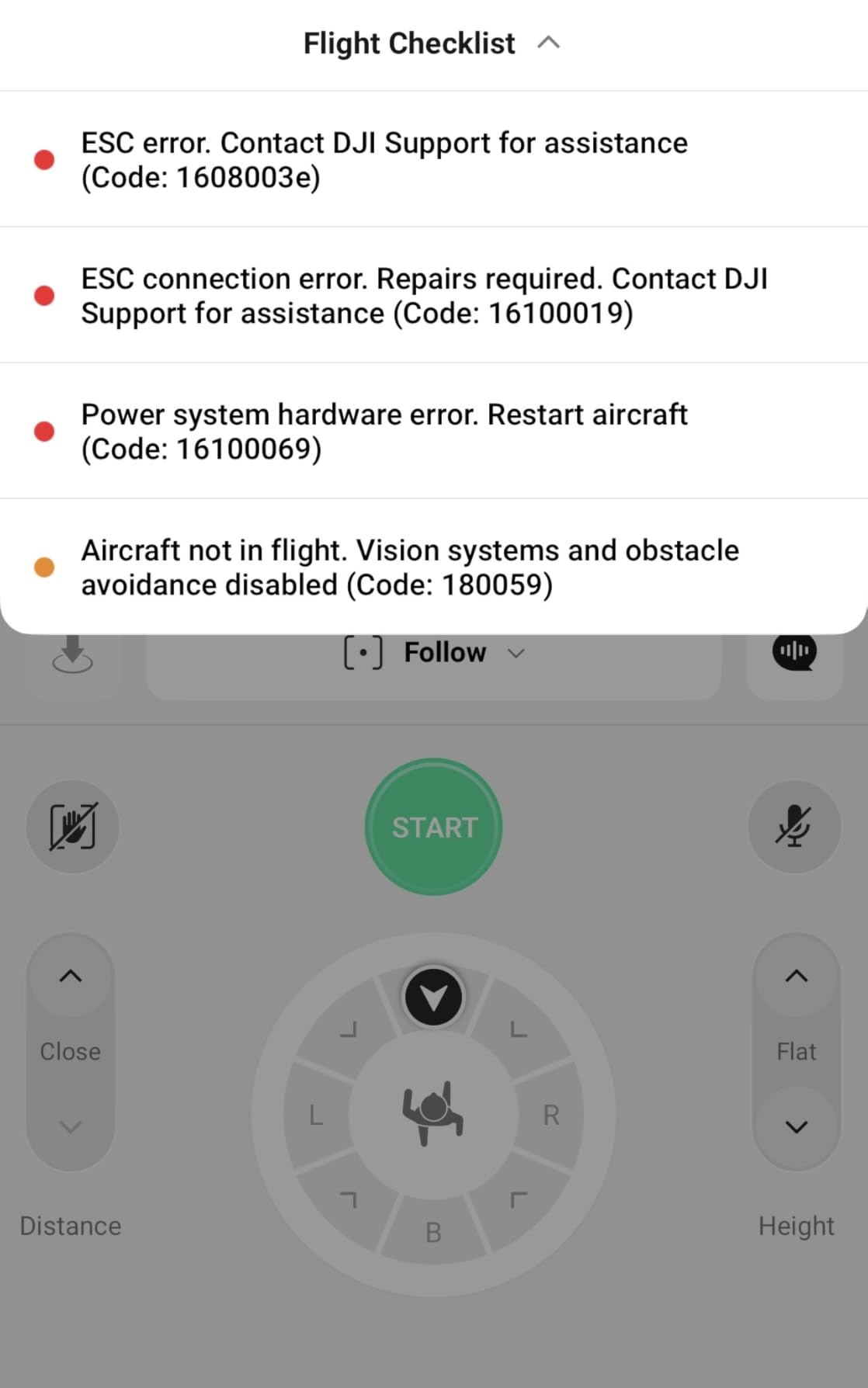
Choose the Neo 2 if you want the most protection against first crashes, if you will fly indoors or near obstacles, or if you want hands-free tracking shots without learning manual flying first. It is also the cleanest entry point for a pilot who will later add a controller.
Skip it if you want long sessions, since the drone-only package includes one battery. Anyone shooting large prints will find 12MP limiting, and the sideloaded app is a real consideration if you are on Android and cautious about installing software outside your usual store.
Every drone on this list flies. The differences that decide whether you enjoy the first month are weight, stabilisation, GPS reliability and controller friction. Here is how we weigh each one, in the order we would consider them.
This is the threshold to buy against before anything else. In the US, a recreational drone weighing more than 250 grams must be registered with the FAA, and flying it requires passing the TRUST test. Below 249 grams, no registration and no Remote ID module are needed.
Nine of our ten picks are under 250 grams. The Holy Stone HS790 at 375.5 grams is the exception, and it handles Remote ID in hardware. Staying light also keeps you inside the more permissive C0 classification, which makes flying near people and buildings more comfortable for a beginner.
A 3-axis mechanical gimbal physically rotates the camera in pitch, roll and yaw to cancel out aircraft movement. A 2-axis gimbal handles pitch and roll only, so the horizon tilts when you yaw. A 1-axis gimbal corrects pitch alone, and electronic stabilisation simply crops and digitally smooths a fixed frame, which causes edge warping on fast moves.
Picks two, three, seven, eight and nine have 3-axis mechanical gimbals. The DJI Neo relies on digital stabilisation instead, in a much smaller body. If smooth video matters to you, cross off everything else on the list.
Return to home is the most repeated technical complaint across the pilot forums we read, with failures traced almost always to launching before the home point was recorded or to default failsafe settings. Every drone here has GPS, but the ones where owners report accurate auto return are the DJI Mini 4K, the Potensic ATOM SE and the HS175D.
Before every takeoff, not just the first: power on, wait for a firm GPS lock, confirm the home point in the app, and set your return altitude to clear the tallest obstacle nearby. That thirty-second ritual prevents the majority of the problems people post about.
Nine of these ten drones have no obstacle detection at all. The DJI Neo 2 at pick ten is the sole aircraft with omnidirectional sensing, which makes it the safest choice for flying near trees, buildings or people on day one.
Nobody should be flying close to obstacles on a first outing regardless. Treat avoidance as a second layer of protection, not a licence to be careless, and remember that it does not replace visual line of sight.
Phone-grip remotes are the norm in this price range and they work, but they add cable compatibility, notification and battery-drain problems to your very first flight. The Ruko U11MINI 4K RC3 is the only aircraft here with a built-in 5.5-inch touchscreen, and several pilots describe the phone friction as a genuine learning barrier.
The DJI Neo and Neo 2 can be flown controller-free, by voice, by app or with an optional RC controller. That flexibility makes them good first aircraft, but phone-only control caps practical range at roughly a city block. FPV goggles are a separate learning path entirely and we would not start there.
The 1:1 rule is a common visual guide for new pilots: if you climb to 50 feet, stay within about 50 feet horizontally. Worked example: hover at 20 feet and keep the aircraft within roughly 20 feet of the point you launched from. At 100 feet up, stay within about 100 feet.
This is a training heuristic rather than a legal rule, and legal requirements differ by country. What it does is force you to keep the aircraft close enough to see clearly, which is the practical difference between learning to fly and losing an aircraft in a tree line.
Short answer: yes. The US restriction is not a blanket ban on DJI aircraft. What exists is the FCC Covered List, which applies to foreign-made drones and their components on security grounds and restricts authorisation for new models. Aircraft that are already authorised and certified remain legal to buy and fly, which is why several DJI models appear in this roundup.
The practical consequences for a buyer are narrower than the headlines suggest. Check that the specific model is on the FCC Covered List before you commit, and be aware that app availability on your platform can vary. For buyers who want to avoid the question entirely, the Potensic ATOM 2, the Potensic ATOM and the Ruko U11MINI 4K are all sub-249g alternatives with 3-axis gimbals and no DJI dependency.
First, launching before GPS lock and before the home point is recorded. This is the most cited beginner mistake on the pilot forums, and it is entirely avoidable. Wait for the app to confirm both.
Second, flying out to the edge of your range on day one. Advertised ranges are ceilings, not working distances, and every drone here will lose video link before it reaches its stated maximum. Stay close until you understand your aircraft.
Third, flying over water or trees before you can hold a steady hover in an open field. Hover is the foundation of everything else, and practising it low over clear ground builds muscle memory faster than open-field cruising.
One last piece of advice from readers on r/Multicopter: hobby escalation is real. Most people who buy a first drone end up wanting to film everything, so buy something you will not resent when you outgrow it within a year. That is the strongest argument for buying a drone with a mechanical gimbal rather than the cheapest one with a camera.
The DJI Neo is the easiest drone for a complete beginner: it is 135 grams, launches from your palm, has full-coverage propeller guards for safe indoor flying, and records 4K stabilised video. If smooth gimbal footage matters more than simplicity, the DJI Mini 4K at 240 grams is the better buy.
In the US, a recreational drone weighing more than 250 grams must be registered with the FAA, and flying it requires passing the TRUST test. Drones under 249 grams need no registration and no Remote ID module. Nine of the ten drones in this roundup fall under that threshold.
Choose on three things. Pick a weight under 249 grams to avoid FAA registration paperwork. Choose a mechanical gimbal if video quality matters, since electronic stabilisation will wobble. Choose a drone with at least two batteries or a fast charging hub, because one battery rarely covers a session.
A drone can fly without a GPS fix, but it will not hold position well. The main non-GPS stabilisation methods are optical flow positioning, which uses a downward camera to hold height over a surface, and vision or time-of-flight positioning, which reads depth from sensors. Both are far less reliable than GPS outdoors.
The US did not issue a blanket consumer ban on DJI drones. The FCC Covered List restricts foreign-made drones and components on security grounds and affects authorisation for new models. Aircraft that are already authorised and certified remain legal to buy and fly, and several DJI models still appear in beginner roundups.
The 1:1 rule is a training heuristic for new pilots: stay about one foot horizontally away for every foot you are above the ground. At 50 feet altitude, keep the aircraft within about 50 feet of the launch point. It is not a legal rule, but it keeps the drone close enough to see clearly.
Among the ten drones tested here, the DJI Neo 2 is the only one with omnidirectional obstacle sensing, at 151 grams. Every other model in the roundup has no obstacle detection at all, so treat the remaining options as needing clear space and full visual line of sight at all times.
If you want the shortest path to flying and the most protection on your earliest outings, the DJI Neo at pick one is the answer. It is the easiest aircraft here to launch, the safest to fly indoors, and light enough to skip FAA registration entirely. Its limits, short endurance and internal-only storage, are real, and it will push you toward a larger drone within a few months.
If your priority is footage, choose the DJI Mini 4K at pick two for a genuine mechanical gimbal and solid wind handling, or the Potensic ATOM 2 at pick three if you want the largest sensor, native vertical capture and the most creative modes on this list. If you need to fly above 249 grams and want Remote ID handled in hardware, the Holy Stone HS790 is the only pick that does it.
For flight time on a budget, the Potensic ATOM SE at pick four and the Holy Stone HS175D at pick five both ship with two batteries, and the Potensic ATOM at pick eight goes further with three. If you would rather not fumble with cables and a phone holder, the Ruko U11MINI 4K RC3 at pick seven has a screen built into the remote. For a first crash near a hedge, the DJI Neo 2 at pick ten is the only one here with obstacle sensing.
Whichever you pick, the first thirty seconds before every flight decide how the session goes: power on, wait for the GPS lock, confirm the home point, and set your return altitude. That habit alone solves the return-to-home problems that dominate the pilot forums, and it costs nothing.
For more on protecting footage once it lands, our guide to wireless security camera systems covers the storage side of keeping recordings safe, and if you are covering ground rather than shooting for fun, our guide to garden drones for property monitoring covers the wider use case. If you decide a drone is not where your budget goes this year, our picks on Canon camera deals cover the ground-based alternative. Choosing between the best camera drones for beginners comes down to weight and gimbal axes, and everything after that is just getting out and flying.