Physical Address
304 North Cardinal St.
Dorchester Center, MA 02124
Physical Address
304 North Cardinal St.
Dorchester Center, MA 02124

The best golf simulators for most home golfers in 2026 are the Garmin Approach R10 for dependable data at a sane outlay, the Garmin Approach R50 if you want a built-in screen and video without a phone in the loop, and the Rapsodo MLM2PRO if you want real spin data without spending tour money. The catch is that almost nobody buys a bare launch monitor and calls it a day. You also need an enclosure, an impact screen, a mat and a screen to hit into.
We spent the last several weeks reading spec sheets, owner reviews and forum threads across r/Golfsimulator and the MyGolfSpy community, then compared every system on the same seven criteria. We are not a test lab, so we will not pretend we bagged five hundred shots. What we did do was read the numbers manufacturers publish, cross-check them against what buyers report after living with the hardware, and flag the places where the marketing language and the reality diverge.
That last part matters more in this category than in almost any other. A golf simulator looks like one purchase and is really three: the launch monitor that measures your shot, the enclosure that catches it, and the software that turns the numbers into something you can play. Buy well in one category and badly in another and the whole bay feels cheap.
A golf net catches balls. That is all. You get swing-path feedback from a video, maybe tempo, and a place to hit in February.
A launch monitor adds measurement: ball speed, launch angle, carry distance, and on better units spin rate, spin axis, club path and face angle. That is the difference between guessing and knowing.
A full simulator adds projection and course play. You hit into a screen, a rendered fairway appears, and the software logs your round. Most systems at this level need a subscription, and that recurring cost is the single most common source of buyer regret in the category.
If you practice at a range twice a week and mostly want swing numbers, a launch monitor and a simple net is honest value. If you want to play nine holes on a Tuesday night in the dark, you need the screen, the blackout fabric and the projector mount.
These three cover the realistic range of a home setup, from a portable monitor you can carry to the range to a self-contained unit with a built-in display and video capture.

Every system below measured something different and solved a different problem. The table sorts them out before the long write-ups.
| Product | Features | |
|---|---|---|
| Garmin Approach R10 |
|
Check Latest Price |
| Garmin Approach R50 |
|
Check Latest Price |
| Rapsodo MLM2PRO |
|
Check Latest Price |
 GoSports Golf Simulator Enclosure GoSports Golf Simulator Enclosure |
|
Check Latest Price |
 PHIGOLF PG2 Flex PHIGOLF PG2 Flex |
|
Check Latest Price |
 Rapsodo MLM Rapsodo MLM |
|
Check Latest Price |
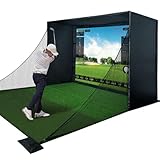 Durbles Enclosure Kit Durbles Enclosure Kit |
|
Check Latest Price |
 ANYTHING SPORTS Enclosure Package ANYTHING SPORTS Enclosure Package |
|
Check Latest Price |
 HOMEVOL 2-in-1 Net System HOMEVOL 2-in-1 Net System |
|
Check Latest Price |
 TAGCMC GX-10 TAGCMC GX-10 |
|
Check Latest Price |
We earn from qualifying purchases. CERTAIN CONTENT THAT APPEARS ON THIS SITE COMES FROM AMAZON. THIS CONTENT IS PROVIDED 'AS IS' AND IS SUBJECT TO CHANGE OR REMOVAL AT ANY TIME.
Every roundup in this niche ranks by headline feature count. We ranked by the seven questions that actually determine whether a system works in your house.
1. Is the data measured or estimated? Radar-only units derive spin from club speed and launch angle. Camera systems measure it directly. Both are useful, but you should know which one you are reading before you start changing your swing based on it.
2. Does it fit your room, honestly? Ceiling height decides whether a full driver swing is possible at all. Community setups in r/Golfsimulator are routinely titled by their footprint, and the recurring number in those threads is a ceiling just under nine feet.
3. What does it require you to hit? Some systems read a standard ball. Some need marked balls. Some need reflective clubface stickers before they will report club data at all. The running cost matters over years, not days.
4. What is the software bill after the trial? Forty-five-day trials are generous. They also end. We treat the recurring subscription as part of the purchase price, because over five years it often is.
5. Does the enclosure contain mishits safely? Padding, shank nets and top protection are not accessories. They are the difference between a wedge shot returning into your shins and a clean strike into the screen.
6. How honest is it about the short game? Full-driver accuracy does not survive contact with a 40-yard chip. Owner reviews consistently report that simulated putting and chipping are the weakest part of nearly every system in this list.
7. Can you get help when something breaks? A torn screen or a failed pairing at month eight is the real test of a product. We weighted warranty length and the availability of replacement parts above any single spec.
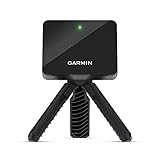
Radar tracking of ball and club speed
Ball speed accurate to +/- 1 mph
Launch angle accurate to +/- 1 degree
Up to 10 hours battery life
More than a thousand owners have logged a rating on the R10, and the pattern in those reviews is remarkably consistent: nobody calls it the most accurate monitor available, and almost everybody calls it the one that never let them down. That distinction matters more than it sounds.
The measurement side is radar-based, tracking ball speed, club head speed, launch angle and launch direction, with published accuracy of within 1 mph on ball speed and 1 degree on launch angle. Those tolerances are tight enough that when a number moves, you can trust that the shot moved rather than the sensor drifting.
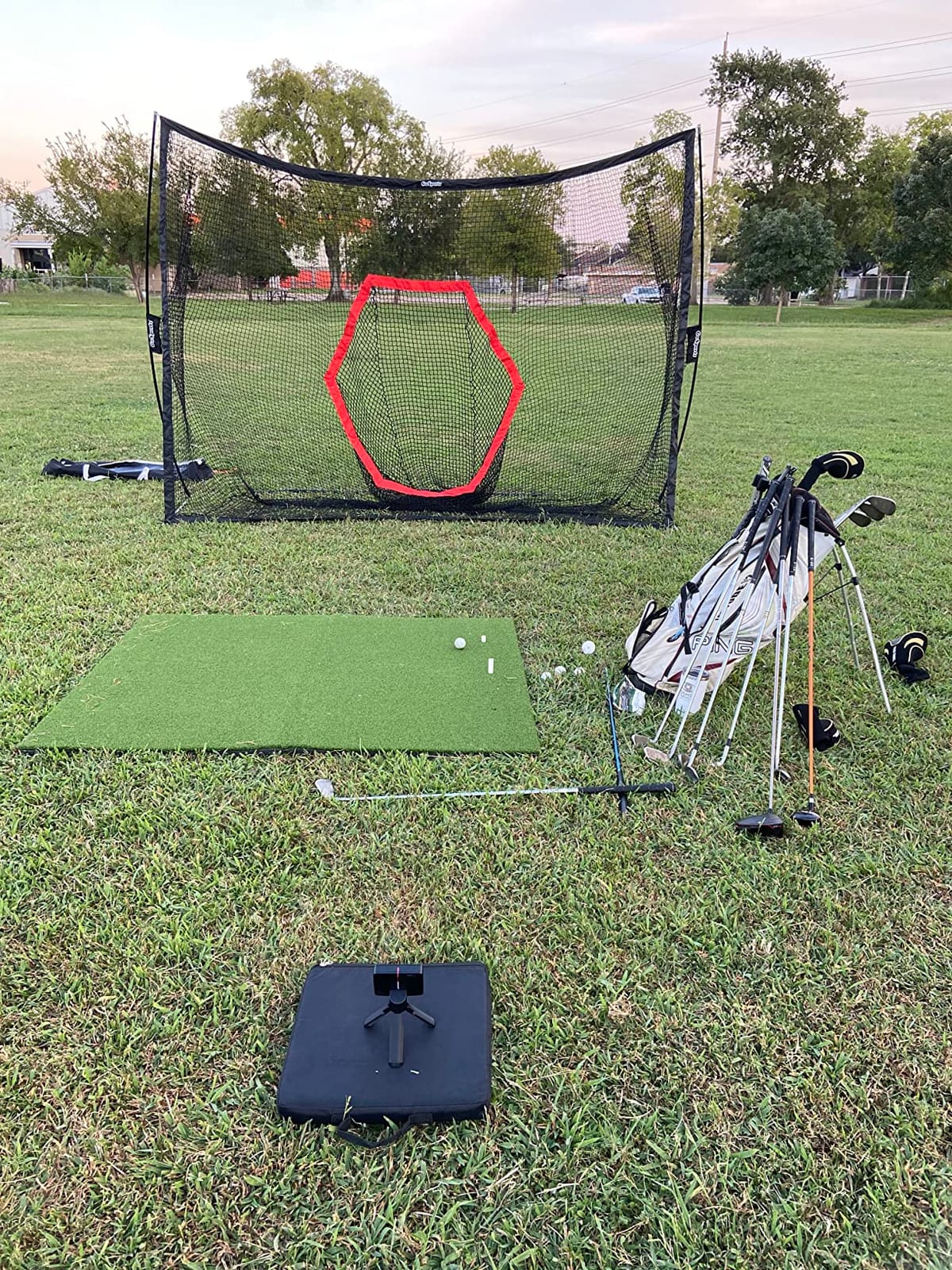
The battery is the quiet hero here. Up to ten hours of runtime means a full indoor session in a cold garage without a cable, and the IPX7 rating means the same unit works outdoors in rain that would send you indoors anyway.
What you give up is spin measurement. The Garmin Golf app estimates spin from speed and launch rather than reading it optically. For swing-speed work and launch-angle work that is genuinely sufficient. If your goal is comparing spin axis across clubs, this is not the tool.
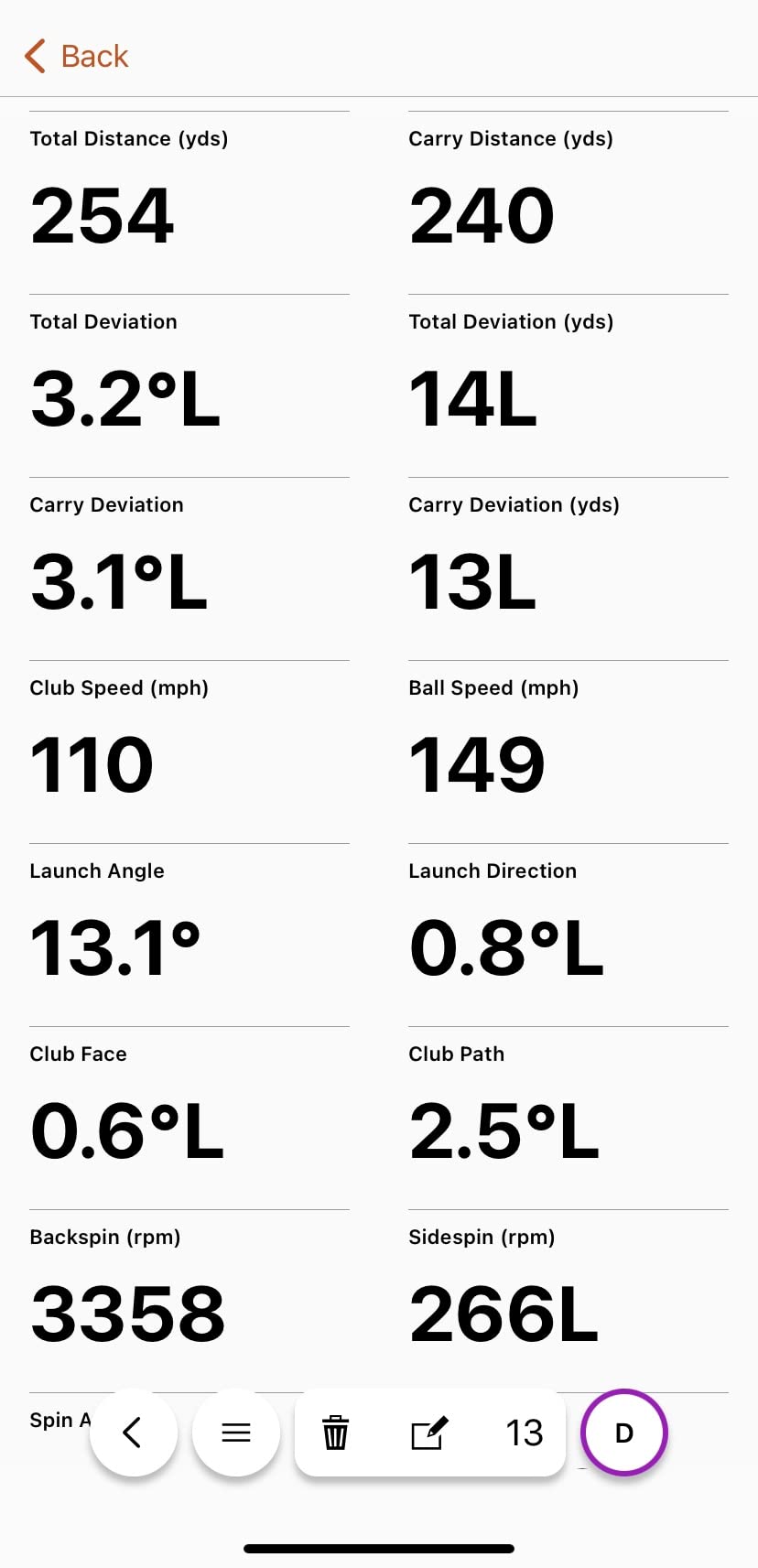
Ten hours changes the shape of practice. You are not rationing shots to protect a charge, which means you can hit 80 balls in a session instead of 40.
Owners also point out that the tripod, phone mount and carry case are all in the box, so the R10 travels from the garage bay to the range without a separate purchase.
The published tolerances hold up in practice for ball speed and launch. The limitation is entirely in the spin column.
Our advice: treat estimated spin as a trend line, not a target. Watch whether it is climbing across a set of swings, and do not chase a specific number.
The R10 suits the golfer who wants trustworthy ball-speed and launch data, practices in varied locations, and does not need club-level spin analysis. It is also the natural first purchase for anyone starting from zero, because the learning curve is a phone app rather than a manual.
3-camera measurement system
10-inch capacitive color touchscreen
Ball speed, launch angle, face to path, spin rate and spin axis
Up to 4 hours battery life
The R50 is the first Garmin monitor that stops needing your phone. A 10-inch capacitive touchscreen sits on the unit, so you walk up after a shot and read your dispersion chart or watch the impact video without unlocking anything.
Underneath that display is a three-camera measurement system that reports ball speed, launch angle, face-to-path, spin rate and spin axis. Spin is measured optically here rather than estimated, which is the single technical reason to step up from the R10.
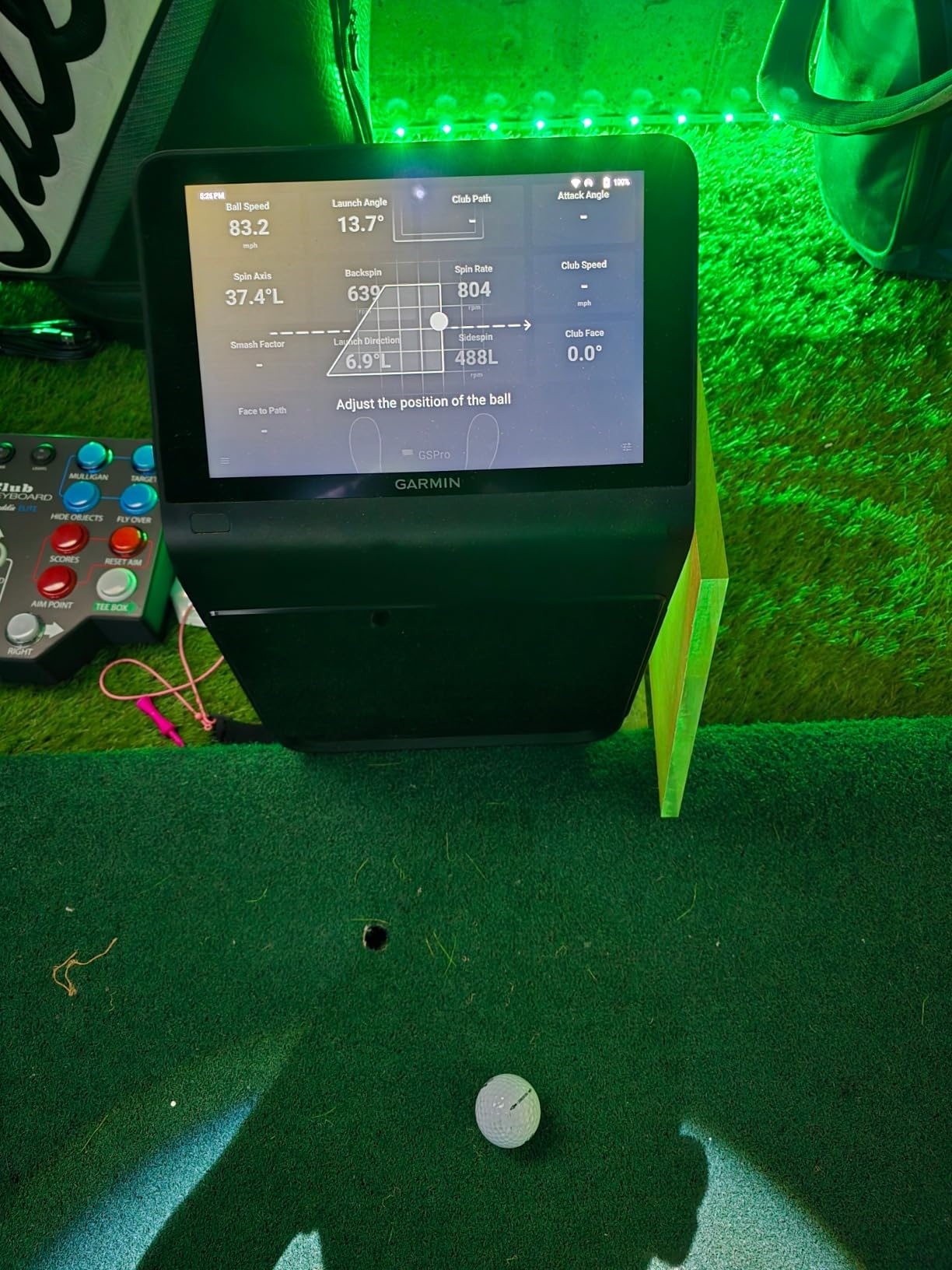
There is also a built-in barometer, so carry distance is adjusted for altitude rather than reported raw. If you live somewhere with real elevation change, that quietly improves every distance number you log.
The HDMI output is worth noting if you build a screen later. You can drive an external monitor or projector from the unit instead of running a separate machine.
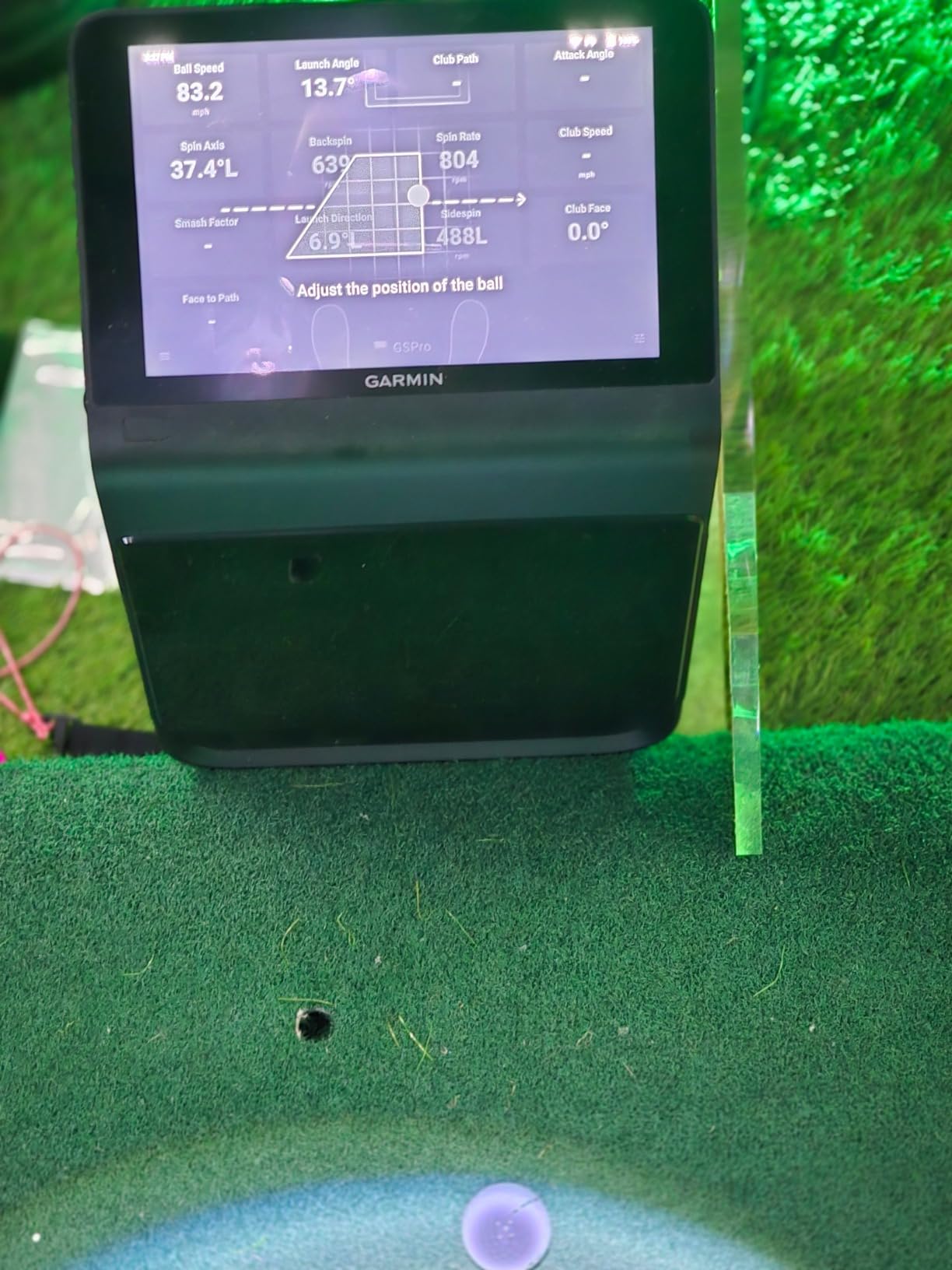
Radar estimates spin; cameras read it. The difference shows up most clearly on mishits, where a camera can still resolve the ball while a radar return gets noisy.
Face-to-path is the metric that changes practice most for most golfers, because it is the difference between a five-yard left miss and a scuff across the toe.
Automatic high-speed impact video capture means every shot is on record without you pressing anything. On a big screen that becomes a genuine teaching surface rather than a phone you prop against a wall.
Owners who coach or record lessons point to this as the reason for the premium over the R10. The hardware is doing the logging work for you.
Virtual rounds across more than 43,000 courses, including putting, require an active Garmin Golf membership. That is the friction point in owner reviews, and it is worth pricing over five years before you commit.
The R50 makes sense for a serious amateur who wants measured spin, video and a self-contained unit, and who will actually use virtual rounds with multiple players. It is overkill for swing-speed-only work.
Doppler radar plus dual cameras
15 metrics including spin rate, spin axis and club path
45-day premium trial unlocking 30,000+ courses
16 oz portable unit
The MLM2PRO is the value argument in this category. At 16 ounces it fits in a jacket pocket, and it reports 15 metrics including spin rate, spin axis, club path and launch angle using a Doppler radar paired with two cameras.
Owners consistently report landing within a few percent of pro-tier readings once the unit is set up properly, which is why it earns a place on any shortlist of Trackman alternatives at the lower end.
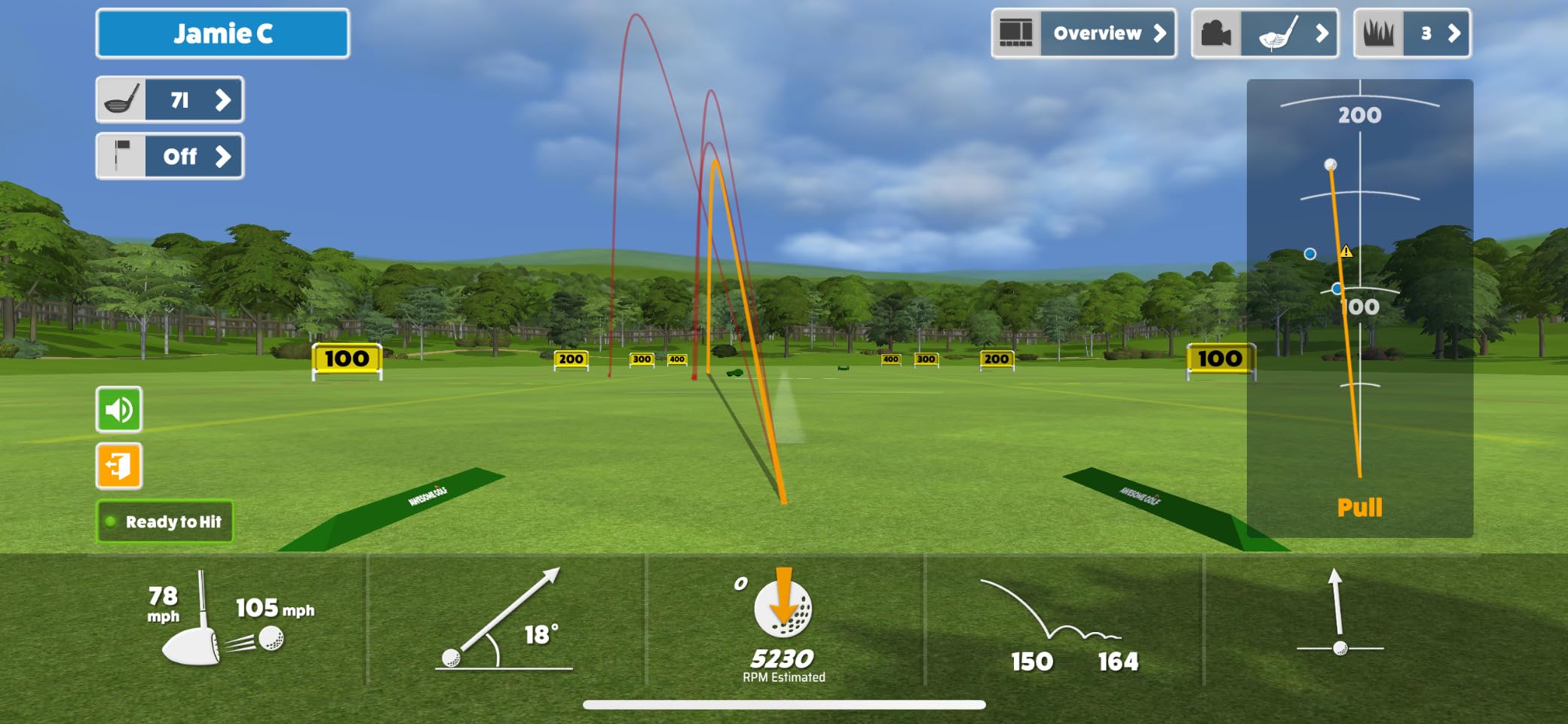
Three Callaway RPT Chrome Soft X balls ship in the box. That matters because the ball is part of the measurement chain, and RPT balls are the reflective-marked type this hardware class expects.
The 45-day premium trial is the longest we saw in this category and it opens up 30,000 or more courses plus third-party app integration, so you can judge the software before paying for it.
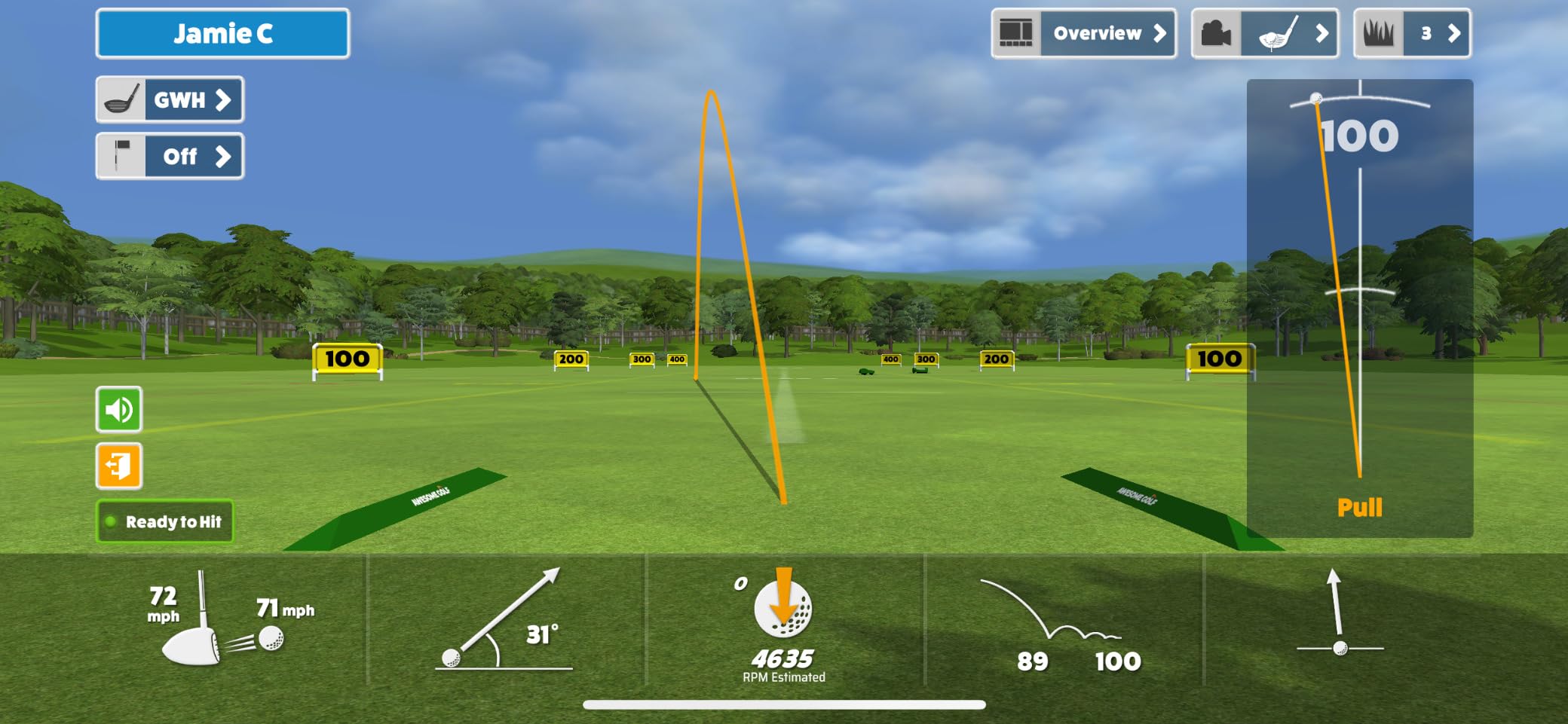
Radar handles the fast-moving ball at distance. The cameras resolve the launch moment and the strike location. Together they cover each other’s blind spots.
The practical gain over radar-only hardware is face impact data, which tells you whether you are hitting the ball on the heel or toe of the club.
Shared Wi-Fi connections drop for some owners, while direct device linking is more reliable but uses phone data. This is a solvable annoyance rather than a defect, but budget for it.
If your practice space has marginal signal, a direct link or a dedicated router removes most of the frustration before it starts.
The MLM2PRO suits a golfer who wants genuine spin data, travels to the range, and wants to trial a large course library before paying for one. Short-game accuracy is the weak point, so keep wedges to a separate practice mat if that is your focus.
Commercial-grade multi-layer HD impact screen
True blackout side panels
Reinforced alloy steel frame
10x8 ft, 12x9 ft or 14x8 ft footprints
Enclosures are where the safety lives, and this GoSports set is the version we would put behind a mid-tier launch monitor. The multi-layer impact screen and true blackout panels are what let a projector image read clearly in a lit garage.
Three footprints are offered at 10×8 ft, 12×9 ft and 14×8 ft, which covers everything from a bonus room to a two-car garage bay.
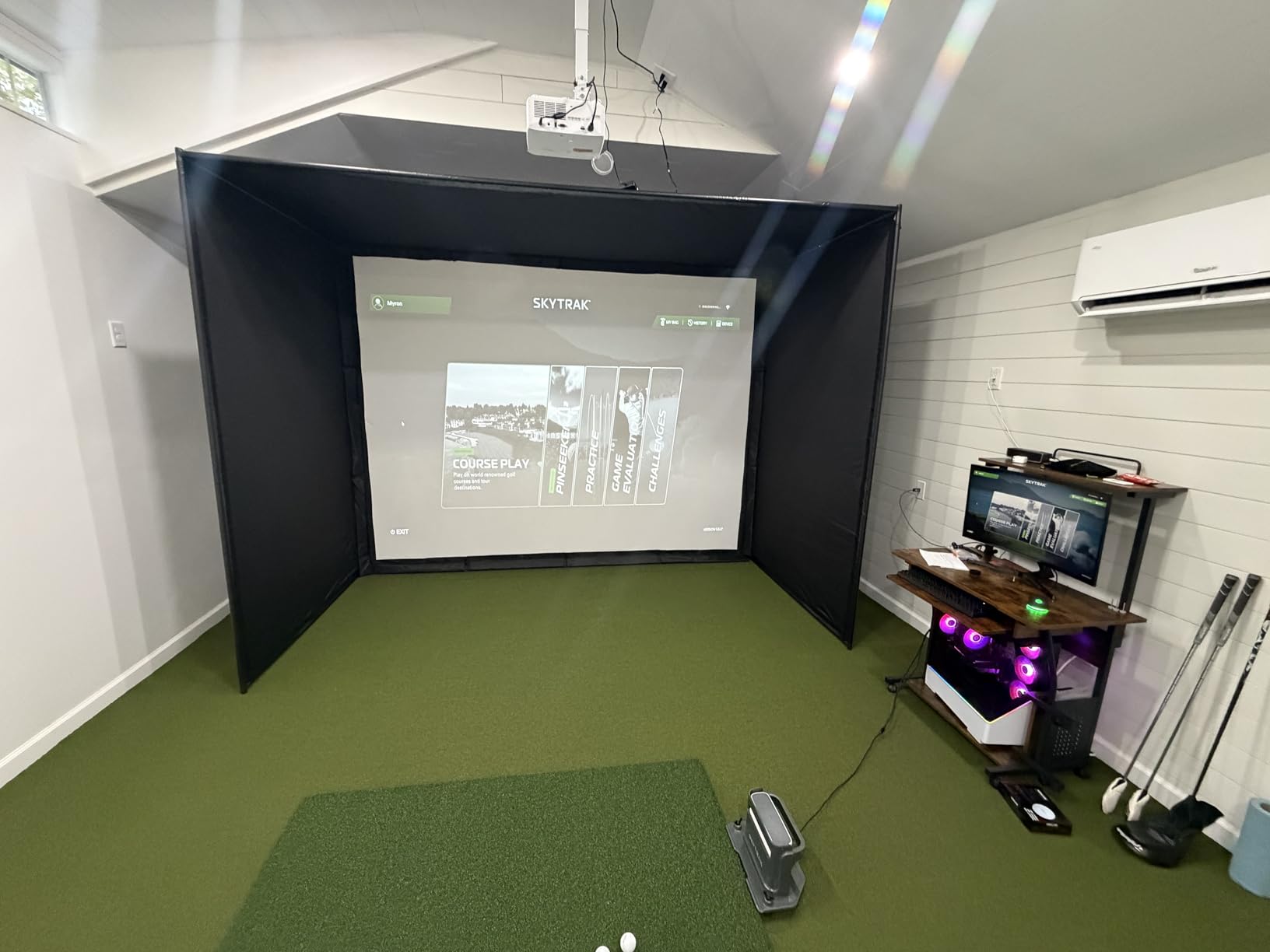
Owners note the frame firms up considerably once the screen and netting are tensioned, and that numbered poles with clear diagrams make assembly a roughly one-hour job.
The breakout breaking strength figure on the alloy steel frame is 200 pounds, which is a reasonable figure for a structure that will absorb mishits for years.
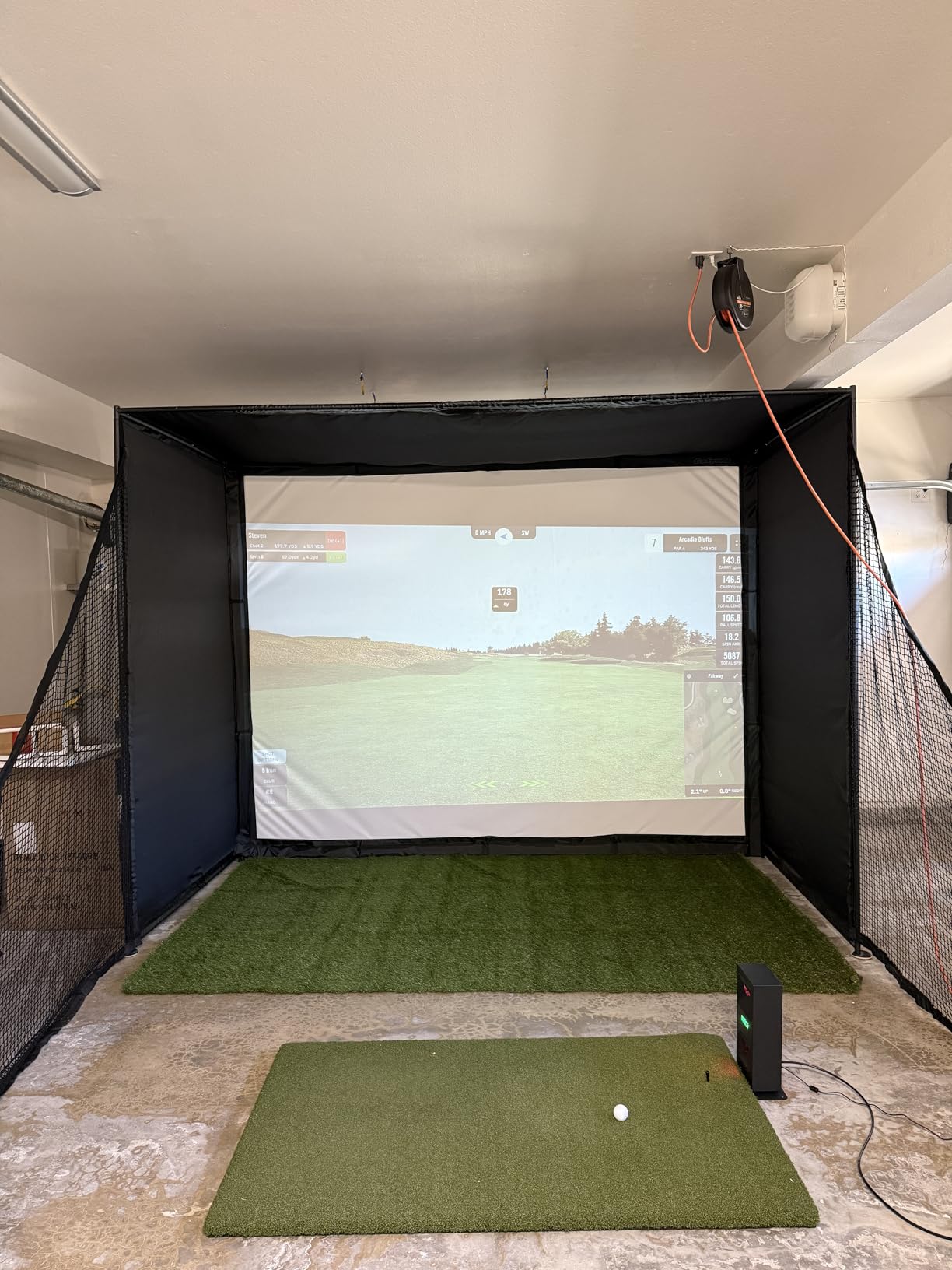
The recurring complaint is that the included padding is thin, so a wedge shot can return toward the hitter. The screen itself holds, but the rebound is real.
Our fix is simple and cheap: add your own foam to the frame uprights. Several owners in the reviews did exactly this and report a materially safer bay.
True blackout side and rear panels are what separate a usable projected bay from a washed-out one. Light bouncing off a bare wall turns a crisp fairway into grey fog.
If your intended use includes watching a round on a larger screen, the fabric quality here is doing more work than most buyers realise.
This enclosure suits anyone building a bay around an existing launch monitor who needs a safe, projectable shell in a mid-sized room. Budget for extra padding and your own shank nets, since neither is included.
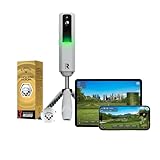
9-axis motion sensor with aluminum swing stick
38,000+ courses plus WGT and E6 Connect
AI swing coach with pose tracking
Attaches to a real club
The PHIGOLF PG2 Flex answers a question no other product on this list addresses: what if you have no room for a bay at all? A 9-axis motion sensor and an aluminum swing stick are the entire hardware, and they work in a hallway-sized space.
Because no ball is involved, nothing needs to be contained, nothing needs a ceiling, and no screen is required. It is the only entry here that fits inside an apartment. With more than 2,800 owner ratings behind it, this is also the most-reviewed product on the list, which means its strengths and its limits are well documented rather than theoretical.
It reads your swing, not your ball. Tempo, path and pose are genuinely captured, which is enough to build a repeatable motion.
The honest limitation: because it assumes center-face contact, a real slice or hook is almost never reproduced. That makes it a training tool rather than a measurement instrument.
The PG2 Flex runs more than 38,000 courses through the Phigolf app, and it also supports WGT and E6 Connect on Android and iOS. That is far more software reach than most of the hardware monitors here.
If you already use E6 Connect for putting practice, this pairs with it rather than replacing it.
Owners describe it consistently as a fun, affordable way to keep swinging indoors. It suits renters, apartment dwellers and anyone whose ceiling height rules out every other system on this list.
It also works as a range companion, since the sensor transfers from the stick onto a real club. If you are still deciding whether to invest in a bay, this is a low-commitment way to find out whether indoor practice changes your game. Our best golf swing analyzers for beginners cover the same ground if you want a look at the cheaper sensor category first.
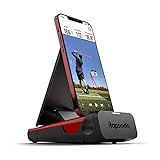
Ball speed, club speed, launch angle, carry and shot shape
Automatic shot detection at roughly 95 percent
1920 x 1080 video with tracer
0.4 kg bag-mountable unit
With more than 3,000 ratings, the original Rapsodo MLM is the most proven budget device in the category. It reports ball speed, club speed, launch angle, carry distance and shot shape, and the shot tracer on the video replay is genuinely engaging for beginners.
It mounts on a tripod behind the ball and clips to a golf bag. Owners use it at the range, in a backyard and inside a net.
This is the single most cited limitation, and it is not a workaround situation. Android users need a different product entirely.
If you are on Android, treat this as eliminated before any other consideration, and look at the Garmin R10 or the TAGCMC GX-10 instead.
Distance accuracy holds well through irons and mid-woods, then degrades noticeably for long woods and driver. Several owners report that this is roughly where they stopped trusting it for long-shot work.
Lob wedge shots also often fail to register entirely, which is worth knowing if short game is your focus.
The MLM suits a casual or improving golfer who wants distance and direction data for a fraction of the price of anything else here, owns an iPhone, and does not need spin. Reviews describe the automatic shot detection as picking up around 95 percent of swings once aligned.
One further caution: owners report phone overheating during long outdoor sessions, so keep sessions shorter or bring a second device in summer.
Triple-layer impact screen with sound damping
Full-coverage foam and blackout curtain
10x8 ft or 8.4x8.4 ft footprints
Tool-free assembly
If your priority is not stopping mishits but surviving them, this is the enclosure to look at. The triple-layer impact screen with shock absorption and sound damping is noticeably thicker than single-layer kits, and the frame poles arrive pre-wrapped in foam.
Owners describe the finished result as looking like a premium installation inside a 10×20 ft room.
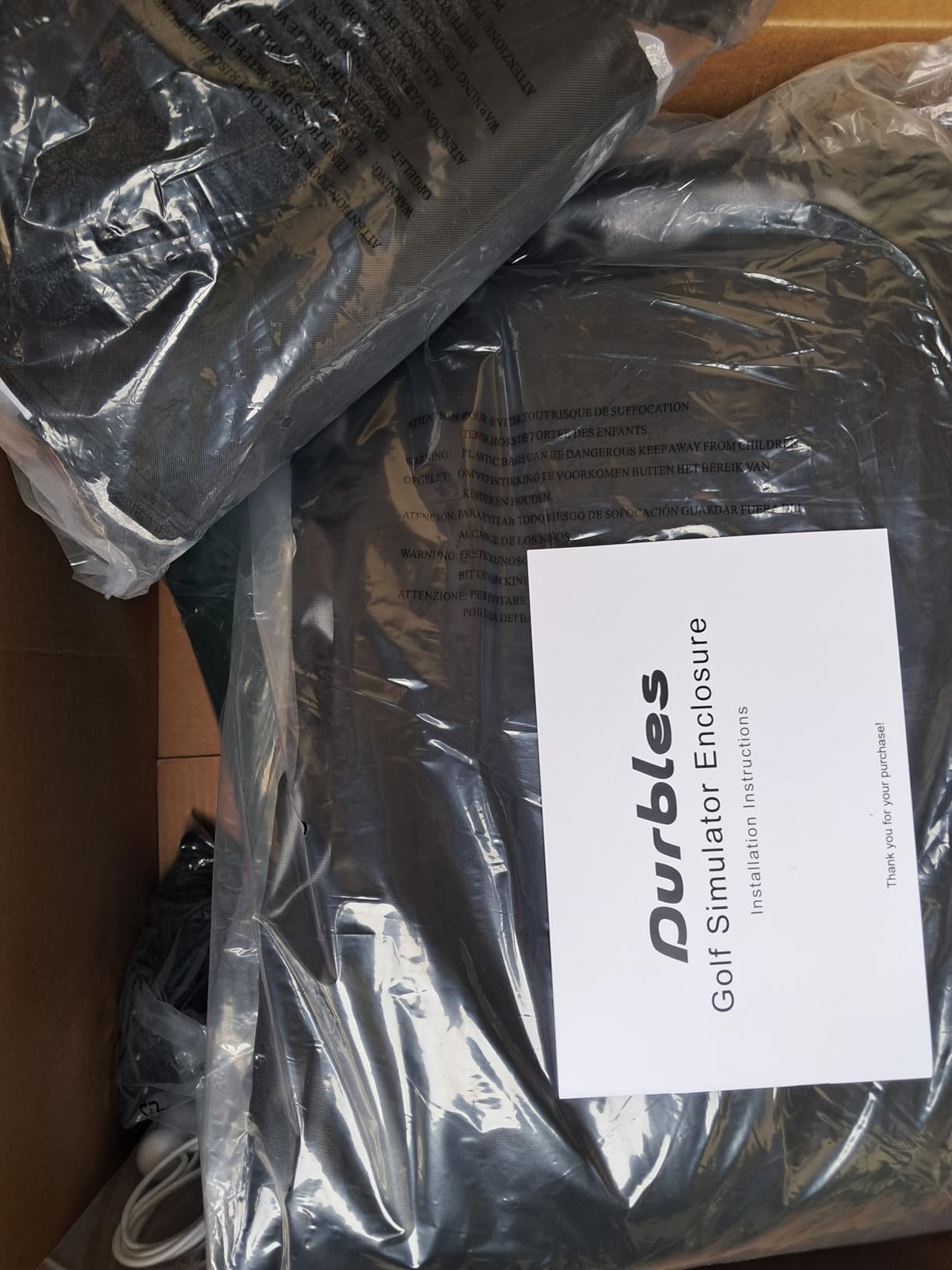
The kit ships as a complete set: steel frame, blackout curtain, impact screen, safety padding and nets, so nothing has to be sourced separately before the first swing.
Tool-free assembly is the practical headline here, with one owner finishing the build solo in about three hours.
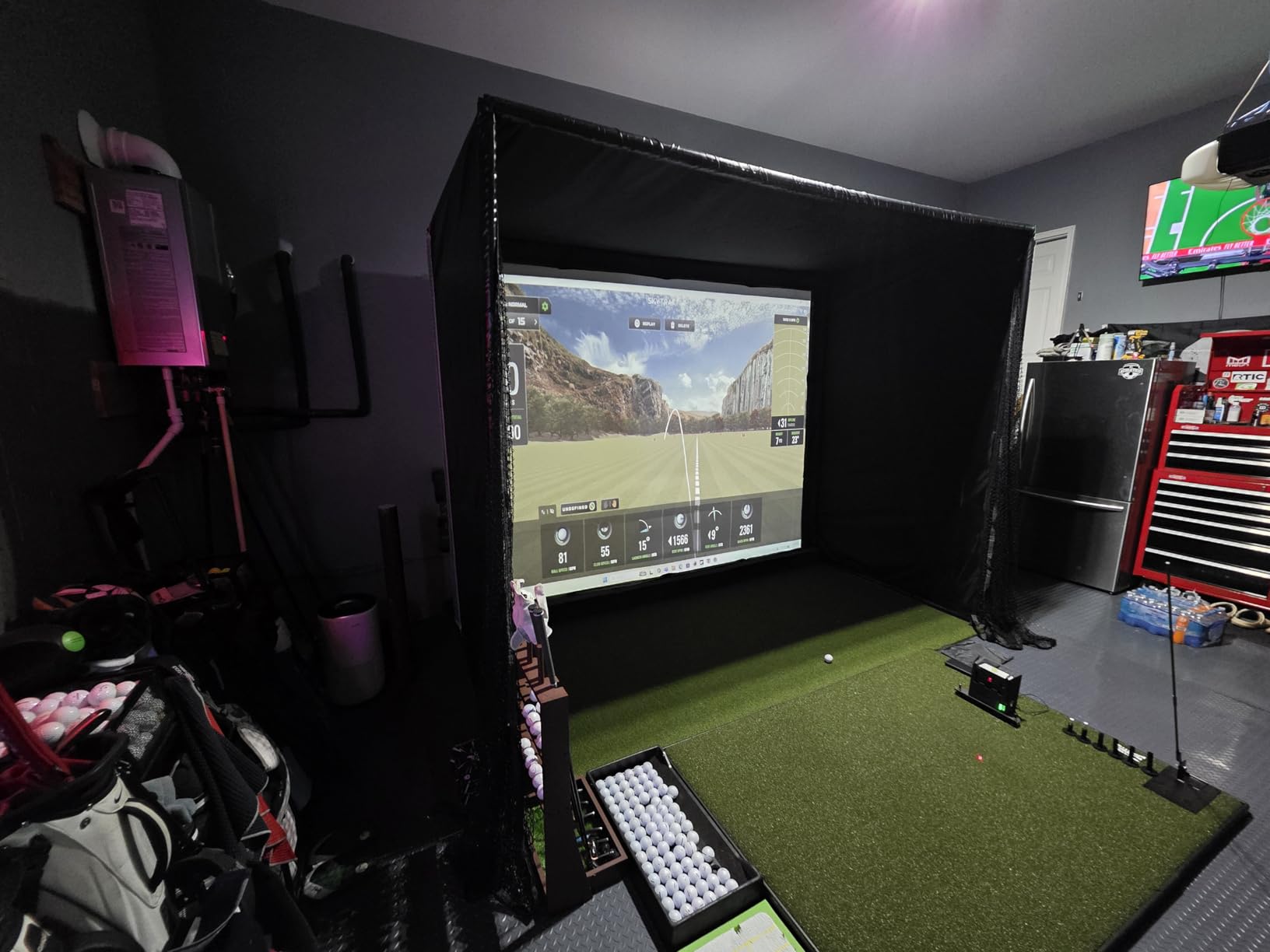
The difference is quantifiable in practice: full-coverage foam across the frame and a blackout curtain both cut returned balls and reduce the noise your household hears during evening practice.
This is the clearest safety upgrade available in this list, and for a shared wall or a downstairs room it is the feature that matters most.
The manual assumes ceilings over 9.9 ft, which makes in-room assembly awkward for most people. Several owners had to cut poles to fit a 10 ft width, and a few reported thin metal that bent when the frame was moved.
Measure twice, and check that every pole has its foam sleeve before you start.
This kit suits households in attached housing, apartments below neighbours, or any setup where a returned ball is a genuine hazard. It is also a good match for a premium launch monitor that you want to protect.
4K-ready impact screen with blackout cage
Projector mount and bar included
Side shank nets with sand weights
11 x 8'4 x 5 ft footprint
The thing that sets this package apart is the included projector mount and bar. Most competitors sell you a cage and leave the mount as a separate problem, which is how first-time builders end up with a bay they cannot project into.
Owners rate it as the best value cage in its class, and the 4K-ready screen is sized tight to the frame to keep light bleed low.
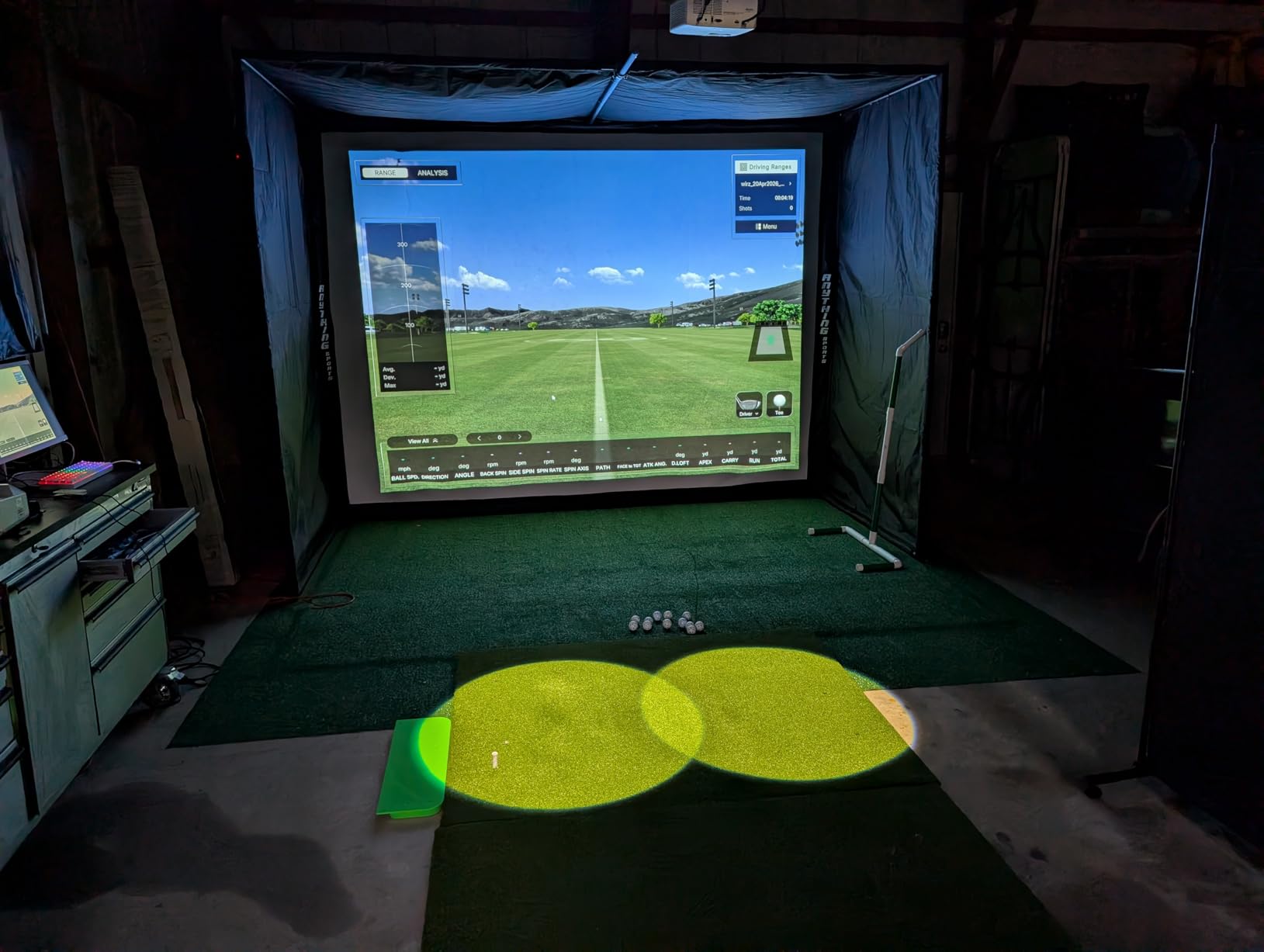
Three footprints are available at 8’4 x 8’4 x 5, 11 x 8’4 x 5 and 12 x 9’4 x 5, so you can size the cage to the room rather than the room to the cage.
Assembly needs no tools and no drilling, and takes about an hour. Side shank nets come weighted with sand or bean bags rather than requiring a floor anchor.
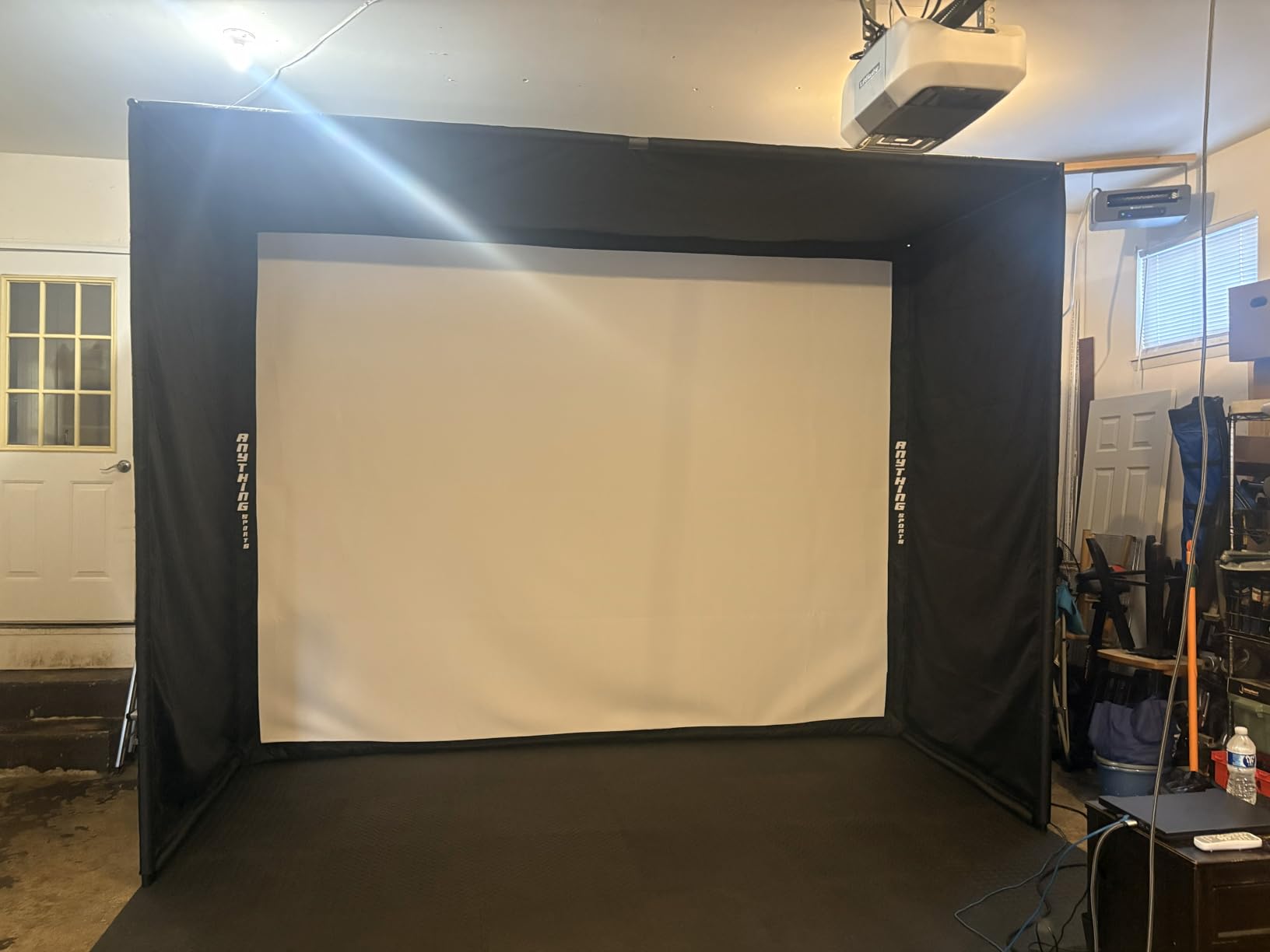
The most serious criticism across reviews is that the included pads function as a fabric cover rather than impact padding, and many owners add their own foam. Budget for a roll of foam and cover the crossbars before you hit anything hard.
The unprotected upper back crossbar is the specific safety complaint, because a high wedge can return from it directly toward the hitter.
The pre-included mount and bar remove the single most common upgrade people make after building a bay. Combined with blackout top, rear and side panels, this is a package that goes from boxes to projected image in one session.
No-drill assembly also matters in rental situations, since you can take it with you when you move.
This package suits a first-time builder who wants a projected bay without a second trip for hardware, and anyone in rented housing who needs to dismantle without patching walls.
10 x 8 ft foam-padded steel cage
4K-ready impact screen plus printed target cloth
Top net and side shank nets included
Mat, balls, stakes and carry bag in the box
The HOMEVOL kit carries the highest owner rating average in this group, and the reason is scope. Everything needed to start hitting is in the box: mat, two practice balls, six ground stakes, side nets, top net and a carry bag.
The printed target cloth is the distinguishing feature. One side is a 4K-ready impact screen; the other gives you a multi-hole layout for chipping and scoring games, which addresses the short-game gap that every launch monitor on this list leaves open.
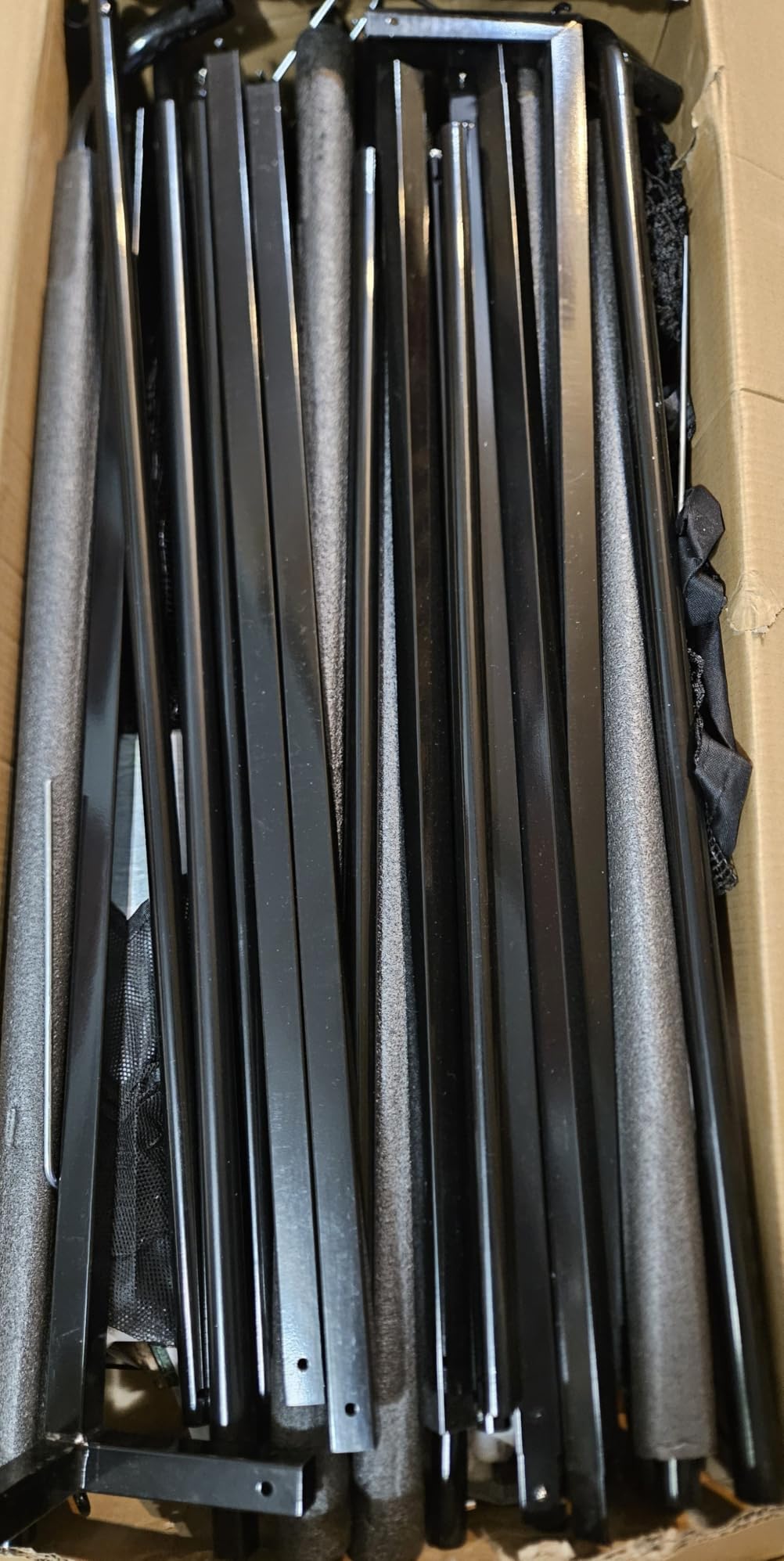
Because the cage carries its own ground stakes, the same kit works in a backyard or a patio as easily as it does in a garage corner.
That portability is the quiet advantage over every fixed-footprint enclosure on this list, none of which move between indoor and outdoor practice.
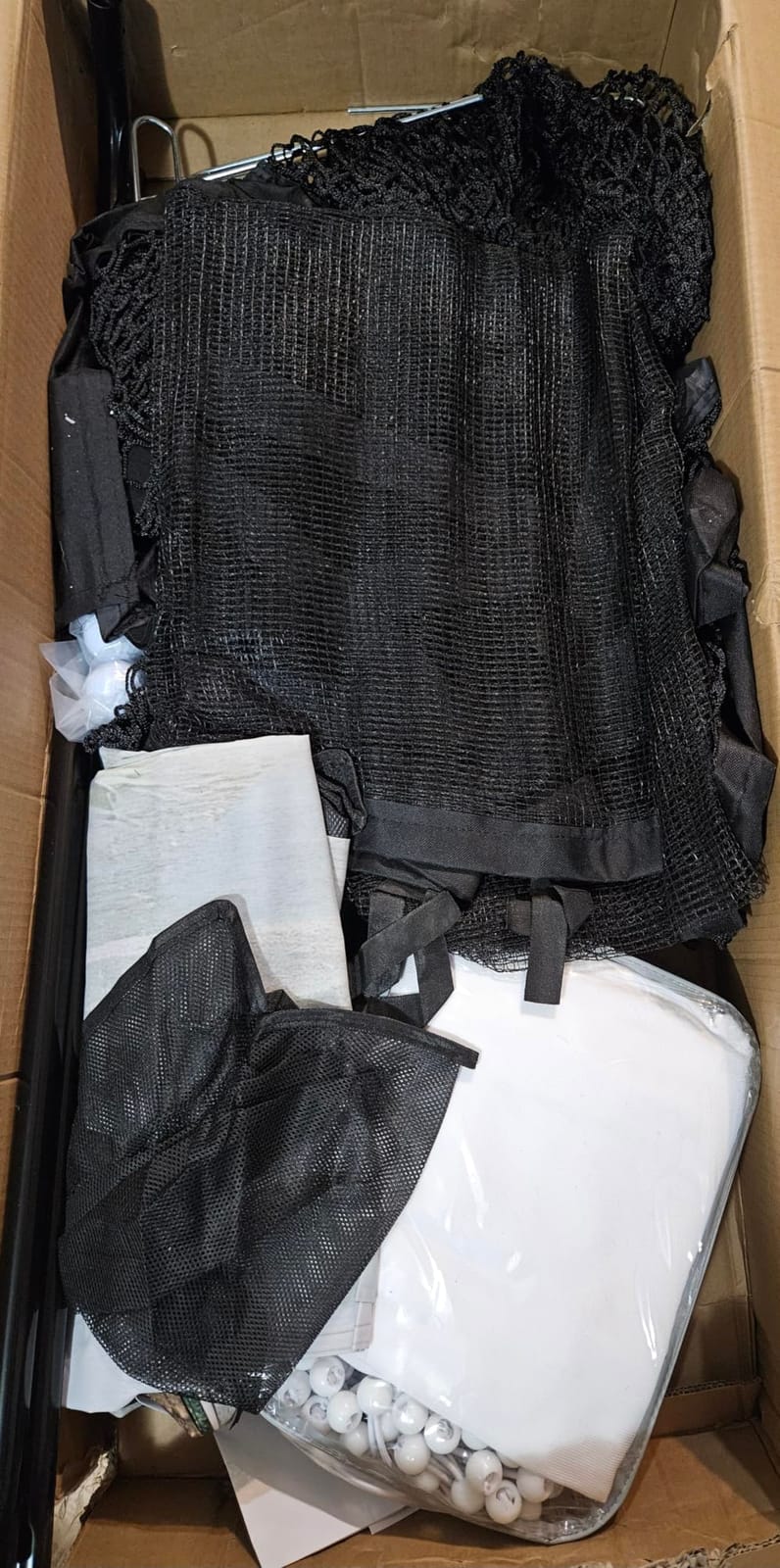
A 10×8 ft cage is tight for a full driver swing, so this works best in a backyard, a garage corner or along a side wall where there is swing room beyond the frame.
The foam padding on key frame areas is a genuine safety improvement over unpadded kits at this level, and owners specifically call out reduced bounce-back and impact noise.
No launch monitor here reads a chip well. A printed target cloth with holes sidesteps the measurement problem by making it a game instead of a data source, and that is arguably the honest way to train it.
It also works outdoors as well as indoors, and the ground stakes suggest that is the intended use.
This system suits golfers without a dedicated room who still want real netting rather than a bare net, and anyone whose priority includes chipping practice alongside driving.
If you are shopping for a golfer rather than for yourself, our golf gifts for men guide covers options at several different budget levels.
Spin rate, spin axis and swing speed measurement
Built-in temperature, humidity and barometric sensors
No subscription required for the app
3D driving range with 45 and 90 degree views
The GX-10 is the only product on this list where the recurring software cost is genuinely zero. The app carries no subscription, which removes the most common long-term objection in this category.
It reports spin rate, spin axis, attack angle, launch angle and swing speed, and the 3D driving range offers 45 and 90 degree views of your dispersion.
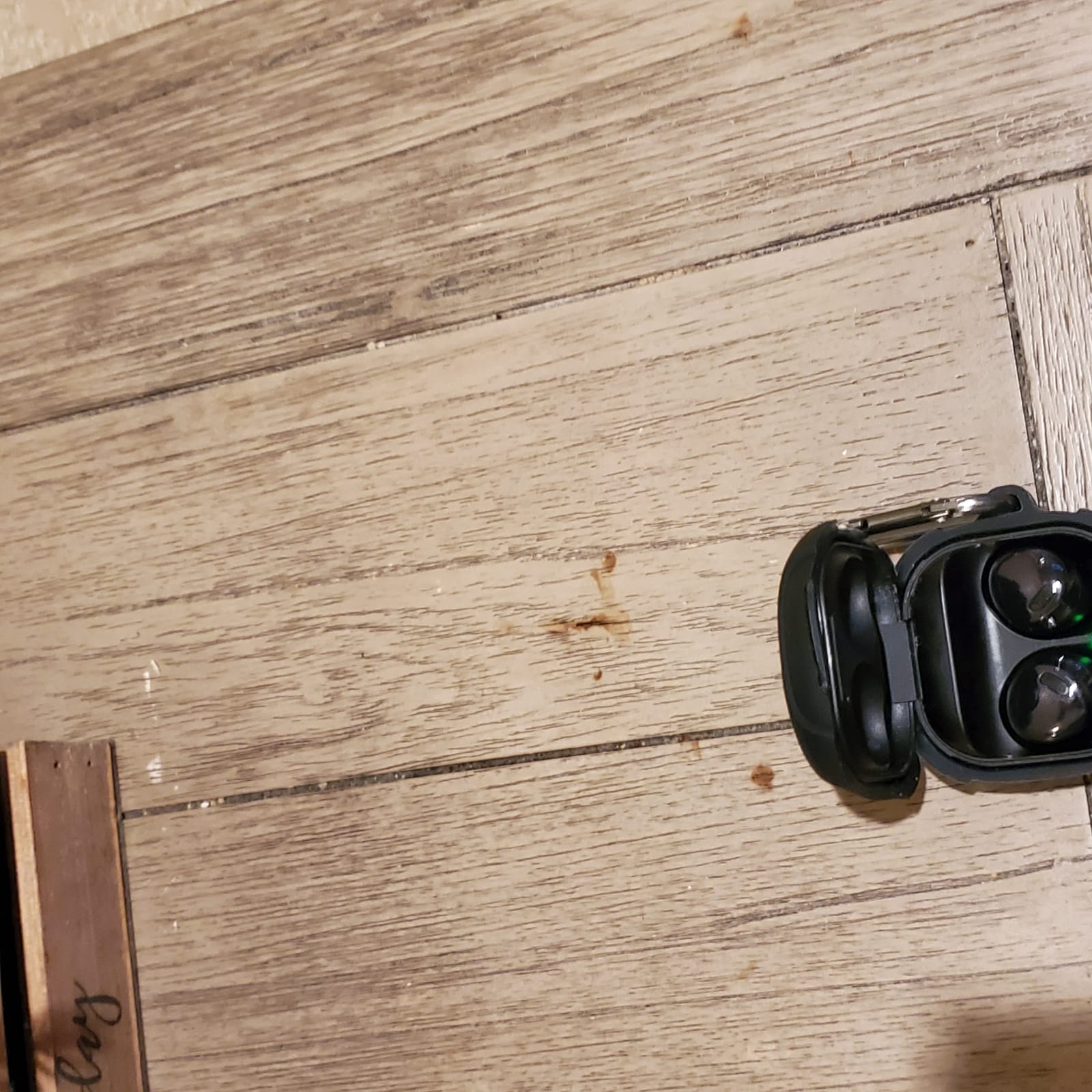
The built-in temperature, humidity and barometric pressure sensors are unusual at this price. They compensate readings for conditions, which normally only appears on hardware several times the cost.
Adjustable sensitivity is the feature that can rescue the unit for you, because it lets you dial readings against a reference monitor you already trust.
The most consistent complaint is that out-of-the-box readings run high on speed metrics. Owners who calibrate report satisfaction; owners who skip it report inflated numbers.
Spend an afternoon on this before you draw conclusions. An uncalibrated reading is worse than no reading because you will change your swing around a number that is wrong.
This is a recent listing with a much shorter review history than the rest of this list, and some units reported charging failures or a static screen on first power-up.
Check the return window and test charging thoroughly before you build any setup plan around it.
The GX-10 suits a golfer who wants spin metrics and refuses to pay a subscription, and anyone who wants a first instrument to calibrate future purchases against.
It also works on both iOS and Android, which removes the limitation that eliminates the original Rapsodo MLM.
The buying decision in this category runs in a specific order. Skip a step and you end up with hardware you cannot use in the room you have.
Ceiling height is the first gate. Below about eight feet, a full driver swing becomes awkward or impossible, which rules out overhead camera systems and some launch angles entirely. Community setups in r/Golfsimulator are routinely posted with dimensions like 12x9x8 for exactly this reason.
Depth is second. You need room behind the ball for a full swing plus safety margin, and depth in front of the screen for the enclosure itself. Measure the usable length, not the room length, and subtract for anything already in the space.
Width is third, and it is the one people underestimate. Enclosures need side clearance for shank nets, and the frame itself usually has to be assembled inside the room unless you have a garage door wide enough.
Doppler radar reads the ball as it leaves and infers spin from speed and launch. Fast, cheap, works in tight spaces and outdoors at night. Spin is estimated, not measured.
Photometric high-speed cameras watch the launch moment directly. Spin rate and spin axis are measured, strike location is available, and accuracy holds on mishits. They need more room and good light.
Hybrid systems pair both, using radar for the flight and cameras for the strike. This is the current premium standard and the reason units like the MLM2PRO read so close to tour hardware.
Overhead ceiling-mounted units are a different category entirely and need genuine ceiling height. If you do not have it, they are not an option.
Some hardware requires reflective-marked balls to read spin at all, and those balls get consumed. Owners of radar-plus-camera units note they burn through supplied balls quickly, which turns into a small annual cost.
Club data commonly requires reflective clubface stickers before the system will report anything about the club. Budget for a full set if you want swing rather than shot data.
Systems that read standard unmarked balls save you both money and hassle, and that is worth weighing against small differences in spin accuracy.
Trial periods in this category run from 45 days up to a couple of months. After that, virtual course play is usually a paid membership.
Here is the honest way to think about it: divide the annual subscription by the number of sessions you expect per year. If you will hit forty sessions a winter, the per-session cost of a full library drops to a level most golfers find reasonable. If you will hit four, the same subscription is poor value and a no-cost app is the better buy.
Two systems on this list carry no subscription at all, and that is a real long-term advantage for anyone who practises casually rather than obsessively.
Read the padding specification the way you would read a helmet specification. Thin frame covering is not impact padding, and the upper crossbar is where returned wedge shots originate.
Every enclosure reviewed here had at least some owners adding their own foam. Consider it a required finishing step rather than an optional upgrade.
For a garage, the dual-use conflict is real. You can either accept losing a parking space, choose a smaller cage in the corner, or look at a retractable screen that rolls up when the car comes in.
Garages work provided the ceiling allows a full swing, but summer heat and temperature swings affect equipment and degrade mats faster than people expect. Basements are better for temperature stability and worse for ceiling height.
Rentals and condos add constraints nobody mentions: light spill onto neighbours, drilling restrictions, and floor load. A no-drill cage and a blackout enclosure solve most of that, and they are worth paying for if you do not own the room.
Used purchases are normal and accepted in the r/Golfsimulator community, largely because first-hand physical testing claims are hard to verify in this niche. If you go that way, verify the unit powers on, check the lens or radar face for damage, and confirm the app still supports the model before you commit.
Budget for a replacement tripod and case, and expect no manufacturer warranty.
Putting is the weakest category in the entire niche, and owners say so consistently. A dedicated putting trainer remains the only reliable way to work on green speed.
Chipping and short wedges are next. Simulated greens run fast and simulated spin reads are unreliable, which is why the target-cloth system on our list nine exists. If short game is your priority, budget for real practice rather than software.
The Garmin Approach R10 delivers the strongest combination of dependable data, portability and long battery life in the category, and pairing it with a mid-size blackout enclosure gives you a complete working bay. Spend on the enclosure before you upgrade the launch monitor, because a screen that holds mishits matters more day to day than an extra metric.
It is worth it for golfers in cold or wet climates who have limited practice hours, for coaches who need repeatable video, and for anyone who wants to play virtual rounds at home. It is poor value for a casual golfer who can reach a driving range, because a launch monitor plus a simple net delivers most of the training value at a fraction of the cost.
Yes, and the gap has narrowed sharply. Radar-plus-camera hybrids such as the Rapsodo MLM2PRO report measured spin and spin axis at a small fraction of tour-tier cost. The Garmin Approach R50 adds a built-in screen and video, and the Garmin Approach R10 covers ball speed and launch with a ten-hour battery. You lose direct camera measurement on the cheapest tier, where spin is estimated.
Ceiling height is the binding constraint. A full driver swing generally needs around nine feet of clearance, and a ceiling below eight feet rules out overhead systems and makes full swings awkward. Depth of roughly twelve feet and width of ten feet is a realistic floor for a comfortable bay, and community builds in that footprint are common.
A net simply catches balls and gives you swing-path feedback from a video. A launch monitor adds measured data such as ball speed, launch angle, carry distance and, on better units, spin rate and spin axis. A full simulator adds projection, an impact screen and virtual course play, which is where the recurring software cost appears.
Many radar-plus-camera systems expect reflective-marked balls to read spin, and those balls get consumed over time. Club-level data usually requires reflective clubface stickers fitted to the clubface. Systems that read standard unmarked balls avoid both costs, so check the ball requirement before you commit to a hardware type.
If you want trustworthy ball speed and launch data with the least fuss and the longest battery, start with the Garmin Approach R10. If you want measured spin, face-to-path data and video without involving your phone, the Garmin Approach R50 is the upgrade that earns its cost.
If your priority is spin measurement on a budget, the Rapsodo MLM2PRO reads close to pro-tier hardware once calibrated. If you refuse to pay a subscription, the TAGCMC GX-10 and the PHIGOLF PG2 Flex both carry no recurring fee.
For the room itself, the ANYTHING SPORTS package is the fastest route to a projected bay because the mount is included, and the Durbles kit has the thickest screen and padding if a shared wall is your concern. With no dedicated room at all, the HOMEVOL system works outdoors and doubles as a chipping target.
Measure your ceiling first, decide how many sessions a year you will actually hit, and buy the enclosure to match. The best golf simulator for you is the one that fits the space you have and the software bill you will keep paying, not the one with the longest feature list.
If you are still working out what a golfer in your life needs, our gifts for golf enthusiasts guide covers the cheaper end of the market alongside the swing analyzer picks.