Physical Address
304 North Cardinal St.
Dorchester Center, MA 02124
Physical Address
304 North Cardinal St.
Dorchester Center, MA 02124

Your lawn mower not picking up grass is one of the most frustrating issues homeowners face during mowing season. I have spent over 15 years troubleshooting small engines and helping neighbors get their mowers working properly again. This guide will walk you through the exact steps to diagnose and fix your grass collection problems.
Lawn mowers collect grass using a vacuum effect created by the spinning blade. When airflow gets blocked or suction decreases, clippings fail to reach the bag and end up clumping on your lawn instead. Understanding this airflow concept will help you identify which component is causing your specific issue.
If you find your mower needs replacement rather than repair, check out our recommendations for battery-powered lawn mower options that offer superior grass collection features.
Before diving into detailed fixes, use this quick reference table to identify your specific issue. Match your symptoms to the likely cause and try the recommended quick fix first.
| Product | Features | |
|---|---|---|
 Grasscool 942-04308 High Lift Blades Grasscool 942-04308 High Lift Blades |
|
Check Price |
 Braveboy 964-04007A Grass Bag Braveboy 964-04007A Grass Bag |
|
Check Price |
 MoJack Heavy-Duty Deck Scraper MoJack Heavy-Duty Deck Scraper |
|
Check Price |
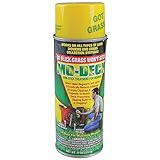 Stens Mo-Deck Non-Stick Spray Stens Mo-Deck Non-Stick Spray |
|
Check Price |
We earn from qualifying purchases.
Quick Symptom Guide:
Now let us walk through each potential cause in detail with step-by-step solutions you can implement today.
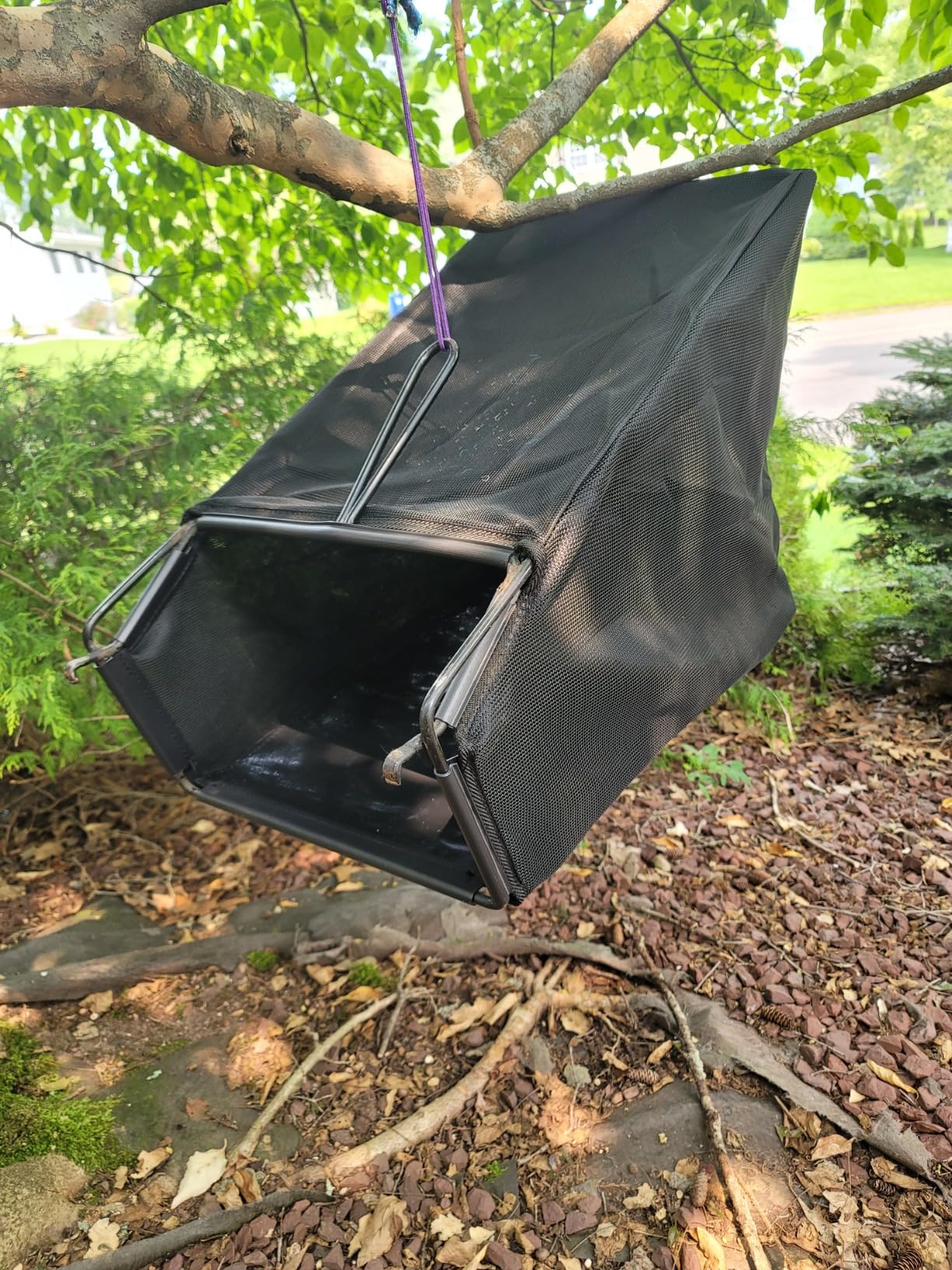
The most common reason for a lawn mower not picking up grass is a clogged grass bag. Over time, fine particles and debris accumulate in the fabric mesh, restricting airflow and reducing suction power.
Remove the bag completely and hold it up to sunlight. If you cannot see light passing through the fabric, the pores are clogged. Turn the bag inside out and shake vigorously to dislodge dry debris.
For thorough cleaning, lay the bag on a flat surface and use a stiff brush to scrub the interior fabric. Many forum users report excellent results using a power washer or jet wash to restore airflow through the mesh. Allow the bag to dry completely before reattaching.
Inspect the bag frame and attachment points for cracks or damage. Even small gaps between the bag and mower deck allow air to escape, destroying the vacuum effect needed for proper collection.
Dull mower blades cannot create the airflow necessary for grass collection. The blade does double duty: cutting grass and functioning as a fan that generates suction. When edges become dull or nicked, both functions suffer.
Remove the blade following safety procedures (disconnect spark plug, wear gloves). Run your finger along the cutting edge. A sharp blade should feel like a butter knife, not a rounded spoon.
Pay special attention to the blade lift wings (also called lifters). These curved sections at each end of the blade create the upward airflow that propels clippings into the bag. Worn or damaged lift wings cannot generate adequate suction regardless of cutting edge sharpness.
If your blade shows significant wear, consider upgrading to high-lift blades designed specifically for bagging operations. These blades have more pronounced lift angles that create stronger suction.
2-pack high-lift blades for 42-inch decks
6-point star center hole
1-1/8 inch lift height
Replaces multiple OEM part numbers
These Grasscool high-lift blades restore the suction power your mower needs for proper grass collection. The 1-1/8 inch lift height creates significantly more airflow than standard blades.
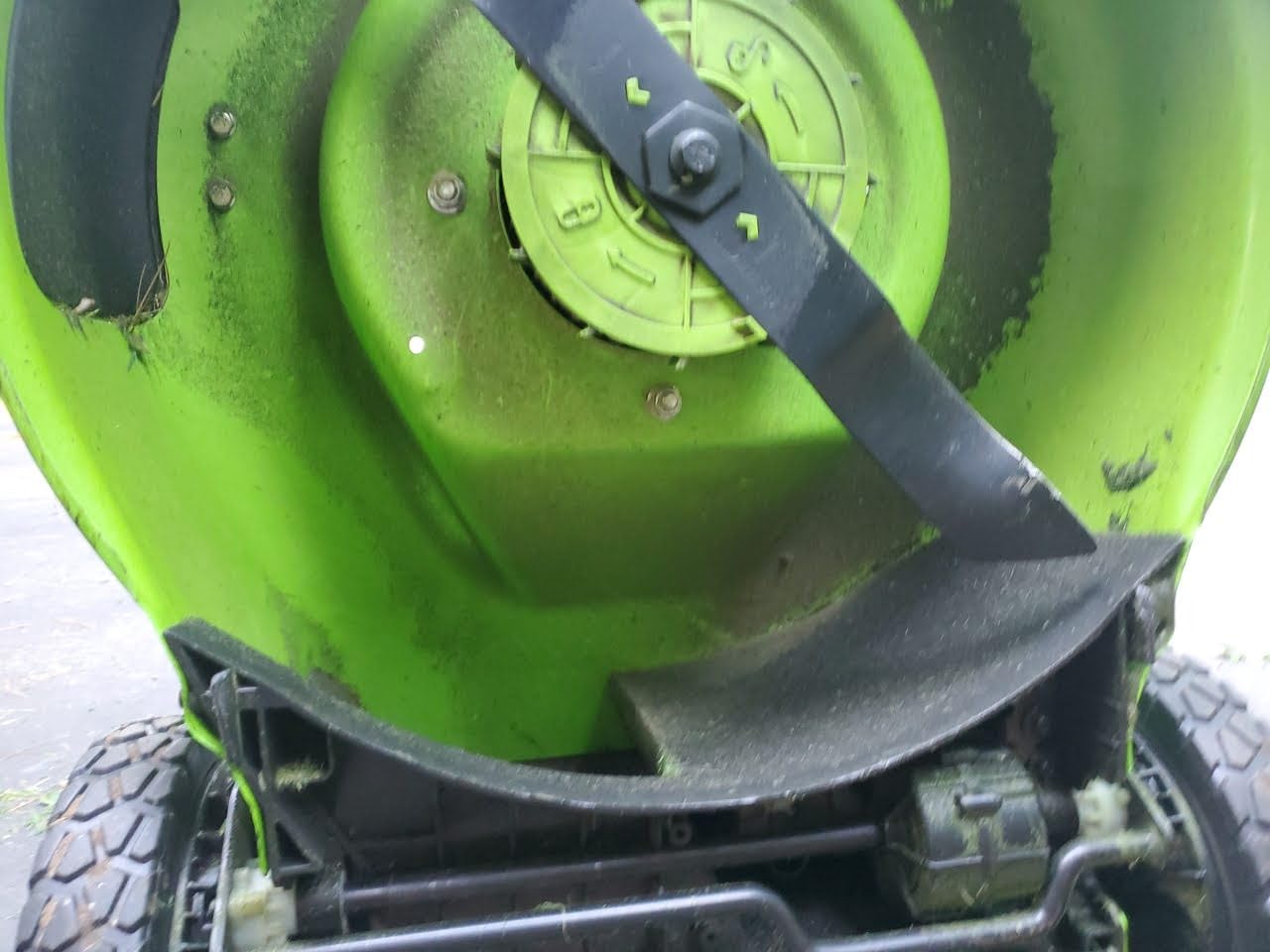
Grass buildup under the mower deck is another leading cause of poor collection performance. Each time you mow, small amounts of grass stick to the deck interior. Over time, this creates a thick layer that disrupts airflow patterns.
Tilt your mower on its side (spark plug facing up to prevent oil leakage) and inspect the deck underside. Use a dedicated deck scraper or putty knife to remove all caked-on grass and debris.
The discharge chute requires special attention. This narrow opening is the easiest place for clippings to collect and get matted, completely blocking the path to the bag. Clear any blockages with a stick or scraper.
10.25-inch curved stainless steel blade
Rounded corners prevent deck damage
Ergonomic rubberized grip handle
Weighs only 3.2 ounces
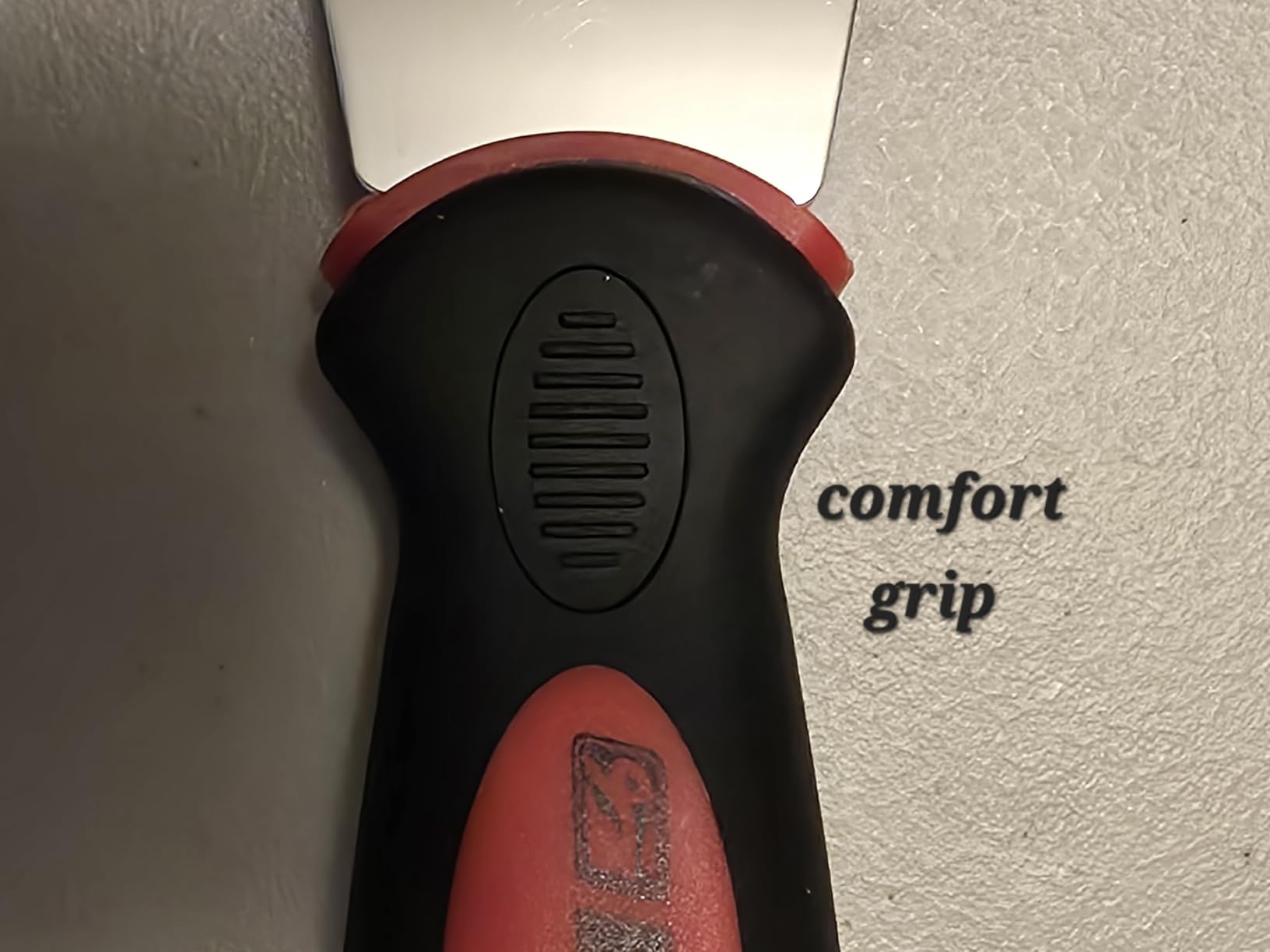
The MoJack deck scraper is purpose-built for this task. Its curved design matches deck contours while rounded corners prevent scratches on painted or plastic deck surfaces.
One of the most common user errors is installing the blade upside down. When this happens, the lift wings face downward, pushing grass into the ground instead of upward into the bag.
Remove your blade and examine it closely. The cutting edges should face downward toward the grass, while the curved lift wings should point upward toward the deck. Most blades have markings indicating which side faces the grass.
Reinstall the blade with the correct orientation and test immediately. This single fix resolves collection issues for many homeowners who recently changed their own blades.
Always disconnect the spark plug wire before working on blades. Use a block of wood to prevent blade rotation while loosening or tightening the center bolt.
The discharge chute is the narrow passage between the mower deck and the grass bag. It is the most common location for clogs because clippings must pass through this relatively small opening.
Remove the grass bag and visually inspect the chute from both ends. Look for matted grass clumps, sticks, or other debris blocking the path. Use a stick or screwdriver to clear any obstructions.
Check that the chute door (if your mower has one) opens fully when the bag is attached. A stuck or damaged door prevents proper airflow and grass collection.
Regular chute inspection should become part of your mowing routine. Clear any buildup after each use to prevent clogs from becoming severe.
Cutting height significantly impacts grass collection performance. When the deck rides too low, it seals against the grass surface and cannot generate adequate airflow for suction.
Follow the 1/3 rule in mowing: never remove more than one-third of the grass blade height in a single cutting session. Cutting too much at once overwhelms the mower and reduces collection efficiency.
For most residential lawns, set your cutting height between 2.5 and 3.5 inches. This provides enough clearance under the deck for proper airflow while maintaining healthy grass height.
If your lawn has grown excessively tall, raise the deck to its highest setting for the first pass. Lower it gradually over subsequent mowings rather than trying to cut everything at once.
Older homeowners or those with physical limitations should consider lightweight lawn mowers for easier maintenance and height adjustment.
Wet grass is the enemy of proper collection. Moisture causes clippings to stick to every surface they contact: the blade, deck interior, chute walls, and bag mesh. This buildup quickly blocks airflow and stops collection entirely.
Wait for morning dew to evaporate before mowing. Generally, wait at least 24 hours after rainfall before attempting to mow. The grass should feel dry to the touch, not damp or clinging.
If you must mow in less-than-ideal conditions, apply a non-stick coating to your deck beforehand. This creates a slippery surface that resists grass buildup.
11 oz polymer-based aerosol spray
Creates non-stick deck coating
Builds up over multiple applications
Also works on snow equipment
Stens Mo-Deck spray is particularly valuable for cordless mower owners where water cleaning is not recommended. Users report 25-50% battery savings after application due to reduced motor strain.
Gas lawn mowers require full engine speed to generate adequate suction. Running at partial throttle starves the blade of the RPM needed to create proper airflow.
Always operate your mower with the throttle in the highest position. Check that the choke is fully off once the engine warms up. A partially engaged choke reduces engine power and RPM.
Over time, engine performance degrades due to wear, carbon buildup, or carburetor issues. If your mower once collected grass well but gradually lost suction, engine performance should be investigated.
Electric and battery mowers do not have throttle controls, but battery degradation can cause similar symptoms. If your cordless mower struggles to collect grass near the end of its charge cycle, this indicates reduced power output.
Beyond the blades and tools already covered, replacing a worn grass bag can restore collection performance. Over years of use, bag fabric stretches, frames crack, and airflow decreases even with regular cleaning.
Nylon grass bag for MTD Troy-Bilt 21-inch mowers
Replaces 20+ OEM part numbers
0.68 kg lightweight design
Higher capacity than original
This replacement bag offers excellent value for MTD, Troy-Bilt, and compatible 21-inch walk-behind mowers. The higher capacity means fewer stops to empty during large mowing jobs.
Certain mower brands have known issues that affect grass collection. Here are quick fixes for popular models:
Honda mowers: Check the twin-blade system alignment. Both blades must be properly balanced for adequate suction. Honda engines rarely have RPM issues, so focus on deck and blade condition.
Craftsman mowers: Verify the grass bag adapter is fully seated. Many Craftsman models use a two-piece bag system where the adapter can separate slightly from the chute.
Husqvarna mowers: Ensure the BioClip (mulching) plug is completely removed when bagging. Partial plug removal blocks the discharge opening.
John Deere riding mowers: Check the power take-off (PTO) belt tension. Worn belts slip and reduce blade RPM even when the engine runs at full speed.
Toro mowers: Recycler models have a special kickback plate under the deck. Ensure this plate moves freely and is not clogged with debris.
Sometimes fixing a lawn mower not picking up grass requires evaluating whether repair costs exceed replacement value. Here is a practical framework for making this decision.
Consider replacement if your mower is over 8 years old and requires repairs costing more than $150. New mowers offer improved grass collection systems, better fuel efficiency, and warranty coverage.
The average lifespan of a lawn mower is 8-10 years for gas models and 5-7 years for battery-powered units. Beyond these ranges, multiple systems typically degrade simultaneously.
If you decide replacement makes more sense, explore our recommendations for self-propelled electric lawn mowers with advanced grass collection features.
Regular maintenance prevents most grass collection issues before they start. Follow this schedule to keep your mower performing at its best throughout the season.
Spring preparation: Sharpen or replace blades, deep-clean the deck, inspect and clean the grass bag, check all cables and linkages, change engine oil and filter.
Mid-season (every 25 hours of use): Check blade sharpness, clean under the deck, inspect the discharge chute, empty and clean the grass bag interior, check air filter condition.
Fall storage preparation: Deep clean all components, apply protective coating to deck, sharpen blades for next season, drain or stabilize fuel, store in a dry location.
Consider lawn dethatching for better mowing results. Thick thatch layers force mowers to work harder and reduce collection efficiency.
A lawn mower not picking up grass is typically caused by poor airflow or reduced suction. Common causes include clogged grass bags, dull or incorrectly installed blades, grass buildup under the deck, wet grass conditions, incorrect cutting height, or insufficient engine RPM. The blade creates airflow that lifts clippings into the bag, and when this airflow is disrupted, collection fails.
The 1/3 rule states you should never remove more than one-third of the grass blade height in a single mowing session. Cutting more than this stresses the grass and overwhelms the mower’s collection system. For example, if your grass is 4.5 inches tall, cut no lower than 3 inches. Following this rule maintains healthy turf and improves collection performance.
Yes, you can clean a lawn mower carburetor without full removal using aerosol carburetor cleaner. Spray cleaner into the air intake while the engine runs, or remove the air filter and spray directly into the carburetor throat. For more thorough cleaning, remove the carburetor bowl and spray cleaner through the fuel inlet. However, severely clogged carburetors usually require complete disassembly for proper cleaning.
The average lifespan of a lawn mower is 8-10 years for gas-powered push mowers and 10-15 years for riding mowers. Battery-powered mowers typically last 5-7 years before battery replacement becomes necessary. Proper maintenance including regular oil changes, blade sharpening, and deck cleaning can extend these lifespans by several years.
Fixing a lawn mower not picking up grass usually requires checking a few key components in sequence. Start with the easiest solutions: empty and inspect the grass bag, clean under the deck, and verify the blade installation. Most collection issues resolve with these basic maintenance steps.
If basic cleaning does not restore performance, consider upgrading to high-lift blades, replacing a worn grass bag, or applying non-stick deck coating. These investments pay dividends through improved mowing efficiency and better lawn appearance.
For readers considering alternatives to bagging, mulching mowers as an alternative return nutrients to your soil while eliminating the need for collection entirely. Whatever solution you choose, proper airflow is the key to successful mowing in 2026.


