Physical Address
304 North Cardinal St.
Dorchester Center, MA 02124
Physical Address
304 North Cardinal St.
Dorchester Center, MA 02124

When temperatures soar to 90°F outside, find the perfect balance of comfort and energy efficiency. Learn the ideal thermostat settings and energy-saving tips for your home.
When temperatures soar to 90°F outside, finding the right indoor temperature becomes a balancing act between comfort and energy costs.
The ideal temperature for your home when it’s 90°F outside is 75-78°F.
This temperature range provides optimal comfort while allowing your AC system to operate efficiently without excessive strain or skyrocketing energy bills.
In this comprehensive guide, I’ll explain why this temperature range works best, how to achieve it efficiently, and what to do when your AC struggles to keep up during extreme heat waves.
When outdoor temperatures reach 90°F, set your thermostat between 75-78°F for the perfect balance of comfort and energy efficiency.
This recommendation follows the industry-standard “20-degree rule,” which suggests that most properly sized and maintained air conditioning systems can effectively cool your home about 20 degrees below the outdoor temperature.
Setting your AC to 75-78°F when it’s 90°F outside prevents your system from overworking while maintaining comfortable indoor conditions. Going lower than this range typically results in minimal temperature difference but significantly higher energy consumption.
20-Degree Rule: The general guideline that air conditioning systems can effectively maintain indoor temperatures about 20°F cooler than outdoor temperatures.
From my experience working with homeowners across different climates, this temperature range accommodates various factors including humidity levels, home insulation quality, and personal comfort preferences.
For those looking to optimize their thermostat control, consider upgrading to a smart thermostat for better temperature control that can automatically adjust settings based on outdoor conditions and your schedule.
Several factors influence how effectively your home can maintain comfortable temperatures during extreme heat. Understanding these elements helps explain why your AC might struggle and what you can do about it.
Proper insulation is your first line of defense against outdoor heat. Poor insulation allows heat to penetrate your home continuously, forcing your AC system to work harder to maintain set temperatures.
Check your attic insulation first—it should be at least 12-15 inches deep in most climates. Wall insulation and weather stripping around doors and windows also play crucial roles in maintaining indoor comfort.
I’ve seen homeowners reduce their cooling costs by up to 20% simply by adding insulation and sealing air leaks. For an existing home, this investment typically pays for itself within 2-3 years through energy savings.
High humidity makes 90°F feel much warmer and significantly impacts your AC’s performance. When humidity levels exceed 60%, your air conditioner must work harder to remove moisture from the air, reducing its cooling efficiency.
Consider using dehumidifiers in particularly humid areas or ensuring your AC system is properly sized to handle both temperature and humidity removal. In very humid climates, setting your thermostat slightly lower (74-75°F) might be necessary for comfort.
The size and age of your air conditioning system dramatically affects its performance in extreme heat. An undersized unit will struggle continuously, while an oversized unit will short-cycle, failing to properly dehumidify your home.
Most residential AC systems are designed to maintain a 20°F temperature difference between indoor and outdoor conditions. When temperatures exceed this design parameter, performance naturally decreases.
If your AC system is over 10-15 years old, it may be operating at 60-70% of its original efficiency. Modern efficient air conditioning units can achieve SEER ratings of 16-20+, compared to 8-10 for older models, providing significantly better performance in extreme heat.
Direct sunlight through windows can increase indoor temperatures by 10-15°F in affected rooms. South and west-facing windows receive the most intense sun during the hottest parts of the day.
Simple solutions like blackout curtains, reflective window film, or strategic landscaping can reduce solar heat gain by up to 77%. During 90°F days, keeping blinds and curtains closed on sun-facing windows can make a significant difference in your home’s cooling load.
Proper air circulation helps distribute cool air throughout your home and prevents hot spots. Ceiling fans should rotate counterclockwise in summer, creating a downward breeze that creates a wind-chill effect, making rooms feel 2-3°F cooler.
Ensure furniture or curtains aren’t blocking air vents, and consider using portable fans to improve air circulation in areas that tend to be warmer. Good airflow helps your AC system work more efficiently by evenly distributing cooled air.
Keeping your home comfortable during extreme heat doesn’t have to result in exorbitant energy bills. These strategies can help you stay cool while minimizing costs:
Program your thermostat to maintain 75-78°F when you’re home and awake. When away, raise the temperature by 7-10°F—each degree you raise your thermostat saves approximately 3-5% on cooling costs.
Don’t set your thermostat significantly lower than normal when you first turn on your AC. It won’t cool your home any faster and will result in excessive cooling and higher energy costs. Your AC cools at the same rate regardless of the temperature setting.
For night sleeping, temperatures between 68-72°F typically provide optimal sleep conditions. Consider using programmable thermostats to automatically adjust temperatures based on your schedule.
Ceiling and portable fans provide excellent supplemental cooling. The wind-chill effect they create can make you feel 2-3°F cooler, allowing you to set your thermostat higher while maintaining the same comfort level.
Remember: fans cool people, not rooms. Turn off fans when you leave a room to save energy. For optimal effectiveness, use fans in rooms you’re occupying while maintaining slightly higher thermostat settings.
Some of the fans that enhance air conditioning can significantly improve comfort without additional energy costs.
Regular AC maintenance is crucial for optimal performance during heat waves. Clean or replace your air filters every 30-60 days during heavy use seasons—dirty filters can reduce your AC’s efficiency by 5-15%.
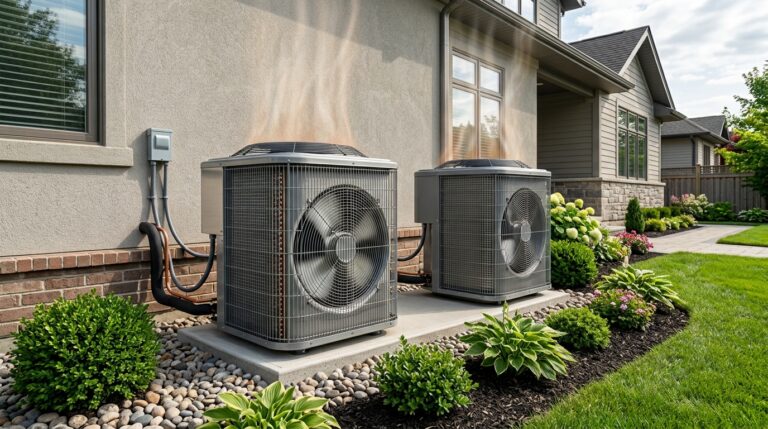
Ensure outdoor units have at least 2 feet of clearance for proper airflow. Remove any debris, leaves, or vegetation that might restrict air circulation. Professional maintenance annually can catch potential issues before they become major problems during extreme heat.
During extreme heat waves, your AC works hardest during peak temperature hours (typically 3-7 PM). Use pre-cooling strategies by running your AC more aggressively in the morning when it’s cooler outside and electricity rates might be lower.
Avoid heat-generating activities during peak hours—cook with microwaves or outdoor grills, run dishwashers and laundry machines in the evening, and minimize use of ovens and dryers during the hottest parts of the day.
When temperatures reach 90°F or higher, it’s normal for your AC system to run longer and work harder than usual. Understanding what to expect helps avoid unnecessary concern or service calls.
Most properly functioning AC systems will run continuously during the hottest parts of 90°F+ days. This continuous operation is normal and doesn’t necessarily indicate a problem with your system.
The temperature difference your AC can maintain depends on outdoor conditions. As temperatures rise above your system’s design parameters, the indoor-outdoor temperature difference naturally decreases. Your system might only maintain a 15-18°F difference in 95°F weather, compared to 20°F in 85°F weather.
Modern central air conditioning systems are designed to handle extreme temperatures, but all systems have limits. The most efficient systems can maintain comfortable temperatures in conditions up to 95-100°F, though with reduced temperature differentials.
Sometimes, despite your best efforts, your AC might struggle to maintain your desired temperature during extreme heat. Here’s how to diagnose and address common issues:
Quick Summary: Check for simple issues first before calling professionals—dirty filters, blocked vents, and obvious airflow restrictions are common culprits.
If your AC can’t maintain a reasonable temperature difference (at least 15°F cooler than outdoors), check for these common issues:
Before calling a professional, try these troubleshooting steps:
Contact an HVAC professional if you experience these issues:
Set your AC between 75-78°F when it’s 90°F outside. This range provides optimal comfort while allowing your system to operate efficiently without excessive strain or energy costs.
During 90°F weather, it’s normal for your AC to run continuously during the hottest parts of the day. Most properly sized systems run 12-16 hours daily in extreme heat, which is normal operation.
When it’s 100°F outside, aim for 78-80°F indoors. Most AC systems struggle to maintain more than a 20°F temperature difference in extreme heat, so setting realistic expectations helps avoid system strain.
Yes, continuous AC operation is normal in 100°F weather. Your system will run longer cycles to maintain temperature differences, which doesn’t necessarily indicate a problem but does increase energy consumption.
This might indicate an undersized AC unit, poor insulation, dirty filters, or refrigerant issues. Have your system inspected if it consistently can’t maintain at least a 15°F temperature difference.
Each degree you lower your thermostat typically increases cooling costs by 3-5%. During extreme heat, this percentage might be even higher as your system works harder.
The 20-degree rule states that most AC systems can effectively maintain indoor temperatures about 20°F cooler than outdoor temperatures. This guideline helps set realistic expectations for system performance.
Yes, ceiling and portable fans create wind-chill effects that make rooms feel 2-3°F cooler, allowing you to set thermostats higher while maintaining comfort. Fans cost much less to operate than AC.
Maintaining comfortable indoor temperatures during 90°F weather requires understanding your AC system’s capabilities and limitations. The 75-78°F range provides the best balance between comfort and efficiency for most homes.
Remember that extreme heat naturally challenges even the best cooling systems. Focus on proper maintenance, insulation improvements, and smart thermostat programming to optimize performance.
For particularly hot climates or homes that struggle with cooling efficiency, consider investing in energy efficient cooling solutions that can better handle extreme temperatures while managing energy costs.
By implementing these strategies and understanding realistic expectations for your AC system, you can stay comfortable through even the hottest summer days without breaking the bank on energy costs.