Physical Address
304 North Cardinal St.
Dorchester Center, MA 02124
Physical Address
304 North Cardinal St.
Dorchester Center, MA 02124

Discover the 8 main types of heating systems with costs, efficiency ratings, and best applications. Compare furnaces, boilers, heat pumps, and more to find your perfect home heating solution.
Choosing the right heating system impacts your monthly energy bills, home comfort, and environmental footprint. With heating accounting for 29% of the average home’s energy use, understanding your options is crucial for making an informed decision.
Forced air furnaces are the most common heating system in US homes today, used by approximately 60-65% of households. However, modern alternatives like heat pumps, boilers, and radiant systems offer unique advantages depending on your climate, home design, and budget.
This comprehensive guide covers all major heating system types, their costs, efficiency ratings, and best applications. We’ll help you understand which system makes the most sense for your specific situation, whether you’re building a new home, replacing an aging system, or seeking to improve energy efficiency.
By the end of this guide, you’ll understand the pros and cons of each heating system type, typical installation and operating costs, maintenance requirements, and how to choose the perfect option for your home’s unique needs.
Home heating systems fall into eight main categories, each with distinct advantages, limitations, and ideal applications. The best choice depends on factors like your local climate, home’s existing infrastructure, fuel availability, and budget considerations.
Forced air furnaces are the most common heating system in American homes, using a network of ducts to distribute heated air throughout your living spaces. These systems work by heating air in a central unit and then forcing it through ductwork via a powerful blower fan.
How they work: Furnaces burn fuel (natural gas, propane, or oil) or use electric resistance to heat a heat exchanger. A blower fan then pushes air across the hot heat exchanger, warming the air before distributing it through your home’s ductwork and out through vents in each room.
Fuel sources: Natural gas furnaces are most common due to lower operating costs, but options include propane, heating oil, and electricity. Gas furnaces typically achieve efficiency ratings of 80-98% AFUE (Annual Fuel Utilization Efficiency), with high-efficiency models capturing more heat from the same fuel amount.
Best for: Homes with existing ductwork, areas with access to natural gas, and situations where combined heating and cooling functionality is desired. They work well in most climates but excel in areas with extreme cold temperatures where rapid heating is needed.
AFUE Rating: Annual Fuel Utilization Efficiency measures how efficiently a furnace converts fuel into heat. An 80% AFUE furnace converts 80% of fuel to heat, while 95% AFUE models convert 95%, wasting only 5% as exhaust.
Pros:
Cons:
Cost range: Installation costs typically range from $3,800-$10,000, with natural gas systems on the lower end and high-efficiency or electric models on the higher end. Operating costs vary by fuel type but generally run $100-300 monthly during heating season.
Boiler systems use water or steam to distribute heat throughout your home, offering comfortable and consistent warmth without the air movement associated with forced air systems. These systems are particularly popular in older homes and colder climates.
How they work: Boilers heat water to create either hot water (hydronic systems) or steam. This heated water/steam travels through pipes to radiators, baseboard heaters, or in-floor tubing, where the heat radiates into living spaces. Cooled water then returns to the boiler for reheating.
Types: Modern boilers include high-efficiency condensing models that capture heat from exhaust gases, traditional cast iron boilers known for durability, and combination boilers that provide both heating and domestic hot water. Distribution methods include traditional radiators, baseboard convectors, and in-floor radiant tubing.
Best for: Older homes with existing radiator systems, new construction where quiet operation is desired, and homeowners who prefer consistent, even heat without drafts. They excel in cold climates and are ideal for people with allergies since they don’t circulate airborne particles.
Pros:
Cons:
Cost range: Installation typically costs $3,700-$8,300 for traditional systems, with in-floor radiant heating adding $1,700-$6,000 depending on the area covered. Operating costs are generally comparable to or slightly lower than furnaces, especially with high-efficiency models.
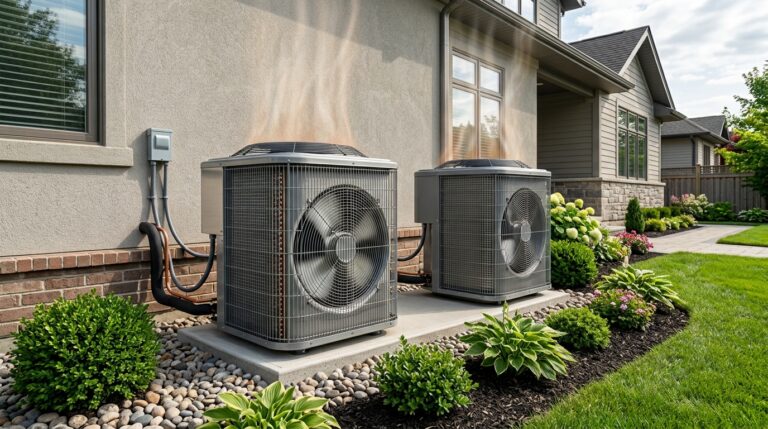
Heat pumps are versatile systems that provide both heating and cooling by transferring heat rather than creating it, making them increasingly popular for their energy efficiency and dual functionality. These systems are experiencing rapid growth, with market share expected to reach 25-30% by 2030.
How they work: Heat pumps use refrigerant and a compressor to extract heat from the outside air (or ground/water in geothermal systems) and transfer it inside your home. In summer, the process reverses to provide cooling. They don’t burn fuel but rather move existing heat, making them highly efficient in moderate temperatures.
Types: Air-source heat pumps are most common and work well in milder climates. Cold-climate heat pumps can operate efficiently in temperatures as low as -13°F. Geothermal heat pumps use underground pipes to exchange heat with the earth, offering exceptional efficiency. Ductless mini-split systems provide zoned heating without requiring ductwork.
Best for: Moderate climates where temperatures rarely drop below freezing, homeowners seeking both heating and cooling in one system, and those prioritizing energy efficiency. Modern cold-climate models are making heat pumps viable even in traditionally challenging northern regions.
Pros:
Cons:
HSPF Rating: Heating Season Performance Factor measures heat pump efficiency. Higher HSPF ratings indicate better efficiency, with modern high-efficiency models achieving 9-10 HSPF compared to older models at 7.7-8 HSPF.
Cost range: Installation ranges from $4,500-$24,450, with air-source systems on the lower end and geothermal systems requiring significant investment. Operating costs are typically 30-40% lower than traditional systems, especially in moderate climates.
For detailed information on specific heat pump options, check out our guides on best window heat pumps, heat pump alternatives, Coleman heat pumps, Heil heat pump review, and Ruud heat pump.
Radiant floor heating provides luxurious, consistent warmth from the ground up, offering superior comfort and energy efficiency. These systems are increasingly popular in new construction and luxury renovations for their invisible operation and excellent heat distribution.
How they work: Radiant systems use a network of pipes or electric heating elements installed beneath flooring surfaces. Water-based (hydronic) systems circulate heated water through tubing, while electric systems use resistance wires to generate heat. Heat radiates upward, warming people and objects in the room rather than just the air.
Types: Hydronic systems use heated water circulated through PEX tubing and are most efficient for whole-home applications. Electric systems use resistance wires or mats and are better suited for smaller areas like bathrooms or kitchen additions. Both types can be installed in concrete slabs, under tile, or between joists for existing homes.
Best for: New construction where systems can be installed during building, luxury homes prioritizing comfort, bathrooms and kitchens where warm floors are especially valued, and homeowners with allergies who prefer systems that don’t circulate air.
Pros:
Cons:
Cost range: Installation costs $1,700-$6,000 depending on system type and area covered. Hydronic systems are more expensive upfront but more efficient for larger areas. Operating costs are typically 20-30% lower than forced air systems due to lower water temperature requirements.
Electric resistance heating systems convert electricity directly into heat with 100% efficiency at the point of use. While simple to install and maintain, these systems typically have higher operating costs and are best suited for specific applications rather than whole-home heating in most climates.
How they work: Electric resistance heating uses electricity flowing through resistant wires or elements to generate heat. This heat is then transferred to living spaces through convection (baseboard heaters), radiation (wall-mounted units), or fans (portable heaters).
Types: Baseboard heaters use long heating elements along baseboards for convection heating. Wall-mounted units include radiant panels and fan-forced units. Portable heaters offer spot heating and supplemental warmth. Electric furnaces use resistance heating with forced air distribution.
Best for: Mild climates where heating needs are minimal, small spaces like apartments or additions, supplemental heating for specific rooms, and situations where gas service isn’t available. Also popular for zone heating where only occupied areas need warmth.
Pros:
Cons:
Cost range: Installation costs are the lowest of all systems at $500-$2,000 for baseboard heaters or wall units. However, operating costs are the highest, potentially reaching $300-500 monthly during cold weather in many regions.
For portable heating options, consider portable heater and AC combos that offer supplemental heating flexibility.
Hybrid heating systems combine the efficiency of heat pumps with the power of traditional furnaces, automatically switching between heat sources based on outdoor temperatures to optimize efficiency and comfort. These intelligent systems are gaining popularity as energy costs rise and efficiency standards improve.
How they work: Hybrid systems use an outdoor thermostat to monitor temperature and automatically select the most efficient heat source. In milder weather, the heat pump provides efficient heating. As temperatures drop, the system switches to a gas furnace for reliable warmth. This dual-fuel approach maximizes efficiency while ensuring comfort in all conditions.
Components: A typical hybrid system includes an air-source heat pump, gas furnace, programmable or smart thermostat, and outdoor temperature sensor. The control system decides when to switch between heat sources based on the economic balance point where furnace operation becomes more cost-effective than heat pump operation.
Best for: Moderate climates with seasonal temperature variations, homeowners seeking to maximize energy efficiency without sacrificing comfort, and situations where replacing an existing furnace with a heat pump might compromise winter performance.
Pros:
Cons:
Cost range: Installation costs $5,000-$12,000 depending on system size and components. Operating costs are typically 20-30% lower than traditional systems due to optimized efficiency, with the greatest savings in regions with significant temperature variations.
Beyond traditional systems, several alternative heating options offer unique advantages for specific situations, environmental goals, or specialized applications. These systems range from renewable energy solutions to traditional methods that remain effective in certain contexts.
Solar heating uses the sun’s energy to provide space heating, typically through active systems with solar collectors or passive design features. Active systems use solar collectors to heat air or liquid, which is then distributed through the home. Passive solar design uses building orientation, windows, and thermal mass to naturally collect and distribute solar heat.
Best for: Sunny climates, new construction incorporating passive solar design, and homeowners seeking to reduce environmental impact and energy costs. Solar systems typically require backup heating for cloudy days and night-time heating.
Wood heating includes traditional wood stoves, pellet stoves, and outdoor wood boilers. Modern EPA-certified wood stoves burn efficiently with minimal emissions, while pellet stoves offer convenient operation with automatic fuel feeding. Outdoor boilers can heat entire homes through underground pipes to indoor heat exchangers.
Best for: Rural areas with available wood supply, homeowners seeking independence from utility companies, and situations where wood is readily available and inexpensive. Wood heating requires significant user involvement for fuel loading and maintenance.
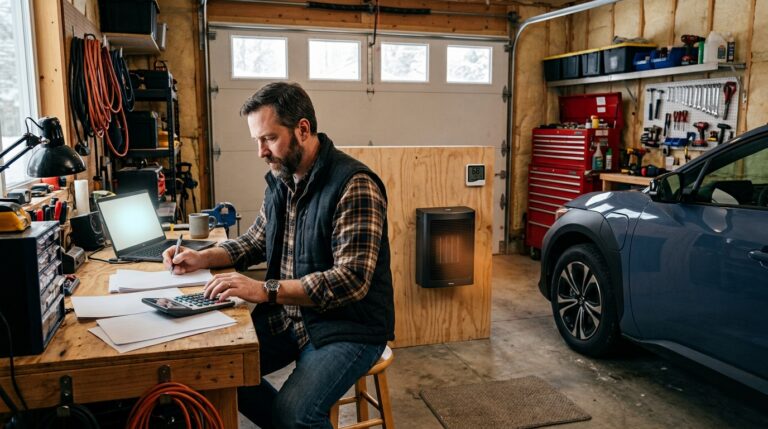
⏰ Time Saver: If you’re heating specialized spaces like workshops, garages, or crawl spaces, consider heaters for pole barns, woodshop heaters, or crawl space heaters designed for these specific applications.
Geothermal systems use the stable temperature underground to provide highly efficient heating and cooling. These systems circulate water through underground pipes where it exchanges heat with the earth, then transfers that heat to your home through a heat pump. While installation costs are high, efficiency is exceptional.
Best for: New construction, homeowners planning to stay long-term, and situations where high efficiency justifies the investment. Geothermal systems qualify for significant tax incentives in many areas.
Understanding the total costs of different heating systems requires looking beyond just installation expenses. The true cost includes initial purchase and installation, ongoing operating expenses, maintenance requirements, and system lifespan. Let’s compare the major systems across these factors.
| System Type | Installation Cost | Monthly Operating Cost | Annual Maintenance | Average Lifespan | Efficiency Rating |
|---|---|---|---|---|---|
| Forced Air Furnace | $3,800-$10,000 | $100-$300 | $100-$150 | 15-20 years | 80-98% AFUE |
| Boiler System | $3,700-$8,300 | $120-$280 | $150-$200 | 20-30 years | 85-95% efficient |
| Heat Pump | $4,500-$24,450 | $80-$200 | $150-$300 | 10-15 years | 7.7-10 HSPF |
| Radiant Floor | $1,700-$6,000 | $90-$250 | $100-$200 | 25-35 years | Highly efficient |
| Electric Resistance | $500-$2,000 | $200-$500 | $50-$100 | 15-20 years | 100% efficient |
| Hybrid System | $5,000-$12,000 | $70-$250 | $200-$350 | 15-20 years | Optimized by temperature |
| Geothermal | $15,000-$35,000 | $50-$150 | $300-$500 | 20-25 years | 300-600% efficient |
Installation costs vary significantly based on your home’s size, existing infrastructure, regional labor rates, and chosen system efficiency. Operating costs depend heavily on your local climate, fuel prices, and electricity rates. The figures above represent typical ranges for average homes in moderate climates.
✅ Pro Tip: When calculating total costs, consider the 15-25 year lifespan of heating systems. A more expensive but efficient system may cost less over its lifetime through lower operating costs and fewer replacements.
Operating costs fluctuate with fuel prices and weather severity. Electric resistance heating typically has the highest operating costs, while geothermal and modern heat pumps often have the lowest. Natural gas systems generally offer good operating cost balance where gas service is available.
Maintenance costs include regular professional servicing, filter changes, and occasional repairs. Boilers and heat pumps typically require more frequent professional maintenance than simpler systems. Always factor in maintenance requirements when calculating total ownership costs.
Proper maintenance is essential for keeping your heating system running efficiently and extending its lifespan. Different systems require different maintenance approaches, but all benefit from regular professional attention and homeowner care.
All heating systems benefit from annual professional servicing before the heating season begins. This inspection should include cleaning, safety checks, calibration, and replacement of worn components. For gas systems, carbon monoxide testing is crucial for safety.
Homeowner maintenance varies by system type but typically includes filter changes, visual inspections, and keeping components clean and accessible. Addressing minor issues early prevents costly repairs and maintains efficiency.
Signs that your system needs professional attention include unusual noises, reduced heating performance, higher energy bills, unusual odors, and frequent cycling on and off. Don’t wait for complete failure before calling for service.
Check and replace filters every 1-3 months during heating season. Keep vents and returns unobstructed. Clean around the outdoor unit if you have a heat pump. Listen for unusual noises and watch for yellow burner flames (should be blue).
Monitor pressure gauges and water levels. Bleed radiators annually to remove trapped air. Check for leaks around pipes and radiators. Insulate exposed pipes in unheated areas. Test pressure relief valves annually.
Keep outdoor coils clean and free from debris. Clean or clean indoor filters regularly. Ensure proper airflow around both indoor and outdoor units. Check defrost cycles during cold weather. Monitor refrigerant lines for damage.
Keep baseboards and wall units clean and free from obstructions. Check wiring and connections for signs of wear. Ensure proper electrical connections. Test thermostats regularly for accurate temperature control.
Maximize your heating system’s efficiency with regular maintenance, proper thermostat settings, and home improvements. Program thermostats to lower temperatures when sleeping or away, typically 68°F when awake and lower when sleeping or out of the house.
Seal air leaks around windows, doors, and electrical outlets. Add insulation to attics, walls, and crawl spaces. Use ceiling fans to circulate warm air downward in winter. Keep curtains open on sunny days for passive solar heating and closed at night to retain heat.
Consider upgrading to a smart thermostat for more precise control and learning capabilities. Many smart thermostats can reduce heating costs by 10-15% through optimized scheduling and occupancy detection.
⚠️ Important: Never attempt complex repairs on gas appliances or electrical systems without proper training and qualifications. Professional service is essential for safety and warranty protection.
Selecting the ideal heating system requires balancing multiple factors including your climate, home characteristics, fuel availability, and budget. Consider these key factors when making your decision:
Your local climate significantly impacts the best heating system choice. Cold northern regions benefit from powerful systems that perform well in extreme temperatures, while milder climates can utilize more efficient heat pump solutions.
In areas with temperatures regularly below freezing, traditional furnaces or cold-climate heat pumps provide reliable performance. For moderate climates where temperatures rarely drop below 30°F, standard heat pumps offer excellent efficiency and dual heating/cooling capability.
Existing infrastructure plays a major role in system selection. Homes with existing ductwork can easily accommodate forced air systems or heat pumps. Older homes without ducts might benefit from boilers, radiant systems, or ductless mini-split heat pumps.
Consider your home’s size, insulation quality, and layout. Larger homes require more powerful systems, while well-insulated homes may need less heating capacity. Multi-level homes might benefit from zoning capabilities available in some systems.
Balance upfront installation costs against long-term operating expenses. While electric resistance systems have low installation costs, their high operating costs can make them expensive over time. Conversely, geothermal systems require significant investment but offer exceptional long-term savings.
Factor in available incentives and rebates for high-efficiency systems. Many utilities and government programs offer financial incentives for upgrading to efficient heat pumps, geothermal systems, or high-efficiency furnaces.
Your location determines available fuel options and their relative costs. Natural gas offers lower operating costs where available, but propane and electricity might be your only options in some areas. Consider fuel price volatility and availability in your decision.
Rural properties without natural gas access might consider propane systems, heat pumps, or alternative heating like wood. Areas with expensive electricity but available natural gas typically favor gas systems.
Always consult with qualified HVAC professionals for system selection and sizing. Proper sizing is crucial – oversized systems cycle inefficiently, while undersized systems struggle to maintain comfort. Professionals perform load calculations considering your home’s specific characteristics.
Get multiple quotes and references when selecting an installer. Check licenses, insurance, and certifications. A properly installed system performs better, lasts longer, and operates more efficiently than a poorly installed one.
The three main types of heating systems are forced air systems (which use ductwork to distribute heated air), hydronic systems (which use water to distribute heat through radiators or pipes), and radiant systems (which use infrared radiation to heat objects and people directly). Each type offers unique advantages in terms of comfort, efficiency, and installation requirements.
Geothermal heat pumps are the most efficient heating systems, achieving 300-600% efficiency by transferring heat from the ground rather than creating it. Among traditional systems, modern cold-climate heat pumps with HSPF ratings of 10+ and high-efficiency furnaces with 98% AFUE ratings offer excellent efficiency. The most efficient choice depends on your climate and available fuel sources.
The best heating system depends on your specific situation. Forced air furnaces are most common and work well in many applications, while heat pumps offer excellent efficiency in moderate climates. Boilers provide superior comfort without drafts, and radiant floor heating offers the ultimate in comfort. Consider your climate, home characteristics, fuel availability, and budget when choosing.
Forced air furnaces are used in approximately 60-65% of American homes, making them the most common heating system. Natural gas furnaces dominate where gas service is available, with electric furnaces more common in areas without gas service. Heat pumps are rapidly gaining market share and now represent 12-15% of systems, especially in newer construction and milder climates.
The most cost-effective heating depends on local fuel prices and climate. In areas with cheap natural gas, high-efficiency furnaces typically offer the best cost-effectiveness. Where electricity is inexpensive and climate moderate, heat pumps provide excellent value. Over the long term, geothermal systems often prove most cost-effective despite high initial costs due to exceptional efficiency and long lifespan.
Radiant floor heating systems typically last the longest, with 25-35 year lifespans for the piping infrastructure (heat sources may need replacement sooner). Boiler systems also offer exceptional longevity at 20-30 years. Furnaces and heat pumps typically last 15-20 years with proper maintenance. Geothermal ground loops can last 50+ years, though the heat pump unit itself needs replacement every 20-25 years.
In cold climates, forced air furnaces and boilers provide reliable performance in extreme temperatures. Traditional heat pumps lose efficiency below freezing, but modern cold-climate models can operate effectively down to -13°F. Hybrid systems automatically switch to furnace backup in extreme cold. Radiant heating maintains comfortable temperatures even in harsh conditions, while electric resistance systems work but with high operating costs.
All systems need annual professional servicing. Forced air furnaces require filter changes every 1-3 months. Boilers need occasional bleeding of radiators and pressure checks. Heat pumps require keeping both indoor and outdoor coils clean. Electric systems need minimal maintenance beyond cleaning. Geothermal systems require less maintenance due to fewer moving parts but still need professional servicing. Regular maintenance extends lifespan and maintains efficiency.
Choosing the right heating system is a significant decision that impacts your comfort, budget, and environmental footprint for years to come. Based on our comprehensive analysis, here are our top recommendations for different situations:
Best Overall: High-efficiency forced air furnaces remain the top choice for most homeowners due to their reliability, relatively low costs, and ability to integrate with central air conditioning. Natural gas models with 95%+ AFUE ratings offer excellent efficiency where gas service is available.
Best for Energy Efficiency: Cold-climate heat pumps provide exceptional efficiency and dual heating/cooling functionality in moderate to cold climates. When paired with proper insulation and smart thermostats, they can reduce heating costs by 30-40% compared to traditional systems.
Best for Comfort: Radiant floor heating provides superior comfort with even, consistent warmth and silent operation. While installation costs are higher, the luxurious comfort and excellent efficiency make it ideal for new construction and major renovations.
Best for Mild Climates: Standard heat pumps offer excellent efficiency and dual functionality in regions where temperatures rarely drop below freezing. Their lower operating costs and environmental benefits make them increasingly popular in milder climate zones.
Best for Existing Homes Without Ductwork: Ductless mini-split heat pumps provide efficient heating and cooling without requiring extensive ductwork installation. They offer zone control and excellent efficiency for retrofitting older homes.
✅ Pro Tip: Always get multiple professional quotes before making your final decision. A properly sized and installed system performs significantly better than one that’s incorrectly specified or poorly installed.
Remember that the “best” system depends on your specific circumstances, including climate, home characteristics, fuel availability, and budget. Consult with qualified HVAC professionals who can perform proper load calculations and recommend systems sized specifically for your home.
By considering all factors discussed in this guide – from system types and costs to maintenance requirements and efficiency ratings – you’ll be well-equipped to make an informed decision that keeps your home comfortable for years to come while managing energy costs effectively.