Physical Address
304 North Cardinal St.
Dorchester Center, MA 02124
Physical Address
304 North Cardinal St.
Dorchester Center, MA 02124

I've spent years researching energy-efficient heating solutions, and the 1p per hour electric heater claim is one of the most misleading I've encountered. Discover the real costs and effective alternatives.
I’ve spent years researching energy-efficient heating solutions, and the “1p per hour electric heater” marketing claim is one of the most misleading I’ve encountered. While these ultra-low running cost claims sound appealing, the reality is much more complex.
1p per hour electric heaters are typically very low-wattage units (400-700W) that can only adequately heat tiny spaces, making them ineffective for most room heating needs. Most of these claims are marketing exaggerations that ignore the practical reality of warming a room to comfortable temperatures.
After analyzing dozens of models and calculating actual running costs based on UK electricity rates, I’ll show you what these heaters can realistically do, how to calculate true running costs, and which heating solutions actually provide value for money. For more energy efficient heating solutions, check our comprehensive guides.
This guide will help you understand why most 1p per hour claims are exaggerated, how much different heaters actually cost to run, and which heating solutions provide the best balance of cost and effectiveness.
Do 1p per hour electric heaters actually exist? Technically yes, but with significant limitations that most manufacturers don’t advertise.
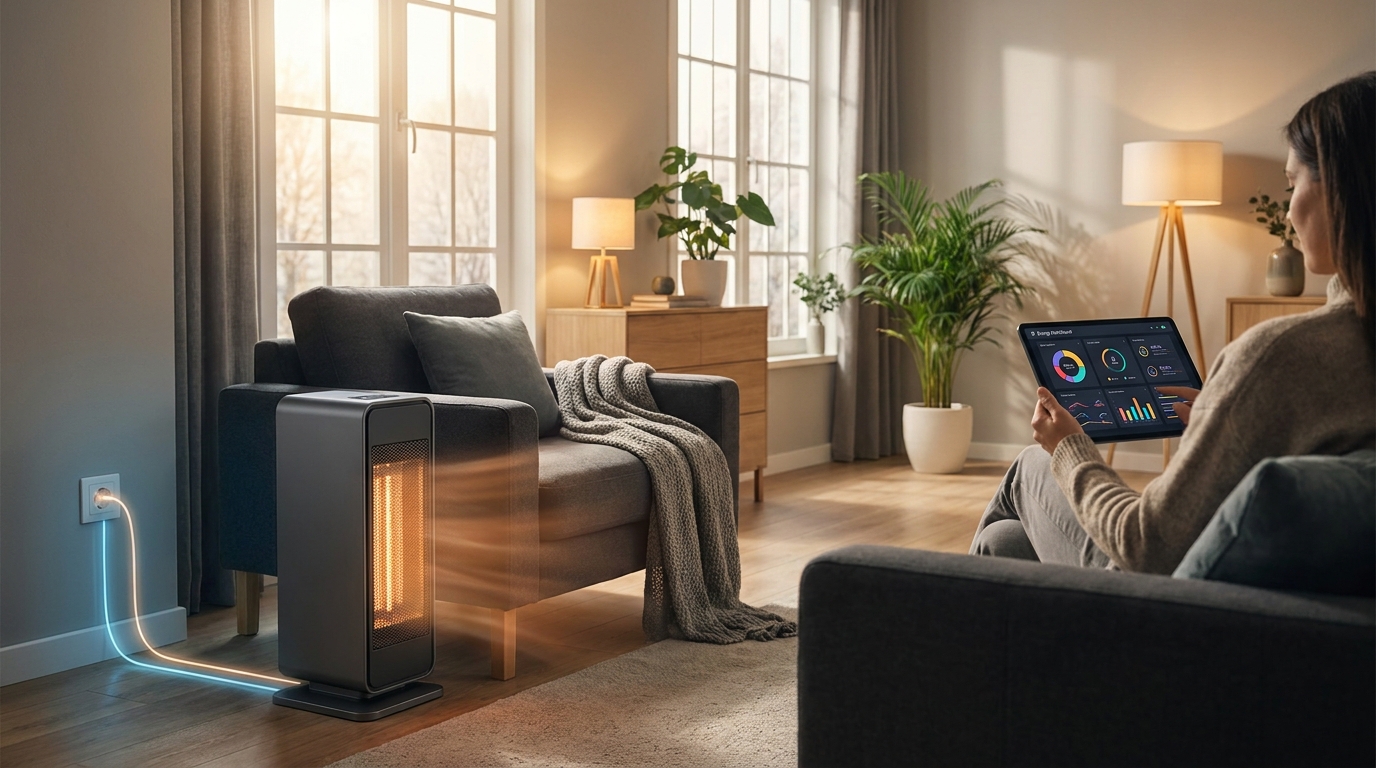
These heaters work by using extremely low power consumption (400-700W compared to standard 1500-2000W), but the trade-off is dramatically reduced heating capacity. They’re only suitable for very small spaces like personal desktops, pet areas, or frost protection in small sheds.
The marketing deception happens because most people expect a heater to warm an entire room to comfortable temperatures. A 400W heater simply cannot achieve this in a standard UK room (12-16m²). Instead, they create a small bubble of warmth immediately around the unit.
Based on my research into electric heating efficiency comparisons, the most frustrating aspect is that these heaters can create an “addictive” immediate warmth sensation that tricks users into thinking they’re effective, while the rest of the room remains cold.
Calculating the real cost of running an electric heater is straightforward once you understand the formula.
Cost per hour = (Wattage ÷ 1000) × Your electricity rate in kWh
For example, with UK electricity rates averaging 34p per kWh in 2026:
✅ Pro Tip: Check your exact electricity rate on your energy bill. UK rates vary from 25p to 45p per kWh, significantly impacting running costs.
The reality is that even the lowest wattage heaters cost more than 1p per hour with current UK electricity rates. The 1p claim originated when electricity was approximately 10p per kWh, making it completely outdated today.
Not all electric heaters are created equal when it comes to running costs and effectiveness.
| Heater Type | Typical Wattage | Running Cost/Hour | Best For | Effectiveness |
|---|---|---|---|---|
| Halogen | 400-1200W | 14-41p | Direct warmth, small areas | Immediate heat, limited room coverage |
| Ceramic | 750-1500W | 26-51p | Small to medium rooms | Quick heating, good thermostats |
| Oil-filled | 1000-2500W | 34-85p | Medium rooms, steady heat | Slow start, prolonged warmth |
| Convection | 1500-2500W | 51-85p | Whole room heating | Even distribution, slower |
| Infrared | 700-1500W | 24-51p | Direct heat, people/objects | Efficient for targeted warming |
The cheapest electric heaters to run are typically halogen models due to their lower wattage, but this comes with trade-offs in heating coverage. For more detailed information, see our guide to infrared heating technology.
Choosing the right heater wattage for your room size is crucial:
⏰ Time Saver: Calculate your room volume (length × width × height) and allow 40W per cubic meter for adequate heating.
Beyond individual heaters, consider these cost-effective heating strategies:
Modern heaters with smart thermostats can reduce running costs by 20-30% by only heating when needed and maintaining optimal temperatures.
Simple timer controls can cut costs significantly by pre-heating rooms before use and turning off automatically.
Focus heating only on occupied rooms rather than whole-house heating. A 1500W heater in one room costs far less than central heating throughout.
For specialized heating needs, consider specialized electric heating solutions designed for specific spaces like garages or workshops.
Look for heaters with:
Budget heaters, especially those making unrealistic claims, often compromise on safety features:
⚠️ Important: Avoid ultra-cheap heaters without safety certifications. Look for CE or UKCA marks, overheat protection, and tip-over switches.
For room-specific heating solutions, see our guide to room-specific heating solutions with proper safety considerations.
If you’re concerned about heating costs, consider these alternatives:
Modern combi boilers with smart controls can be more cost-effective than multiple space heaters, especially for heating multiple rooms.
These use off-peak electricity rates (as low as 10p/kWh) and can provide whole-day heating at lower costs if available on your tariff.
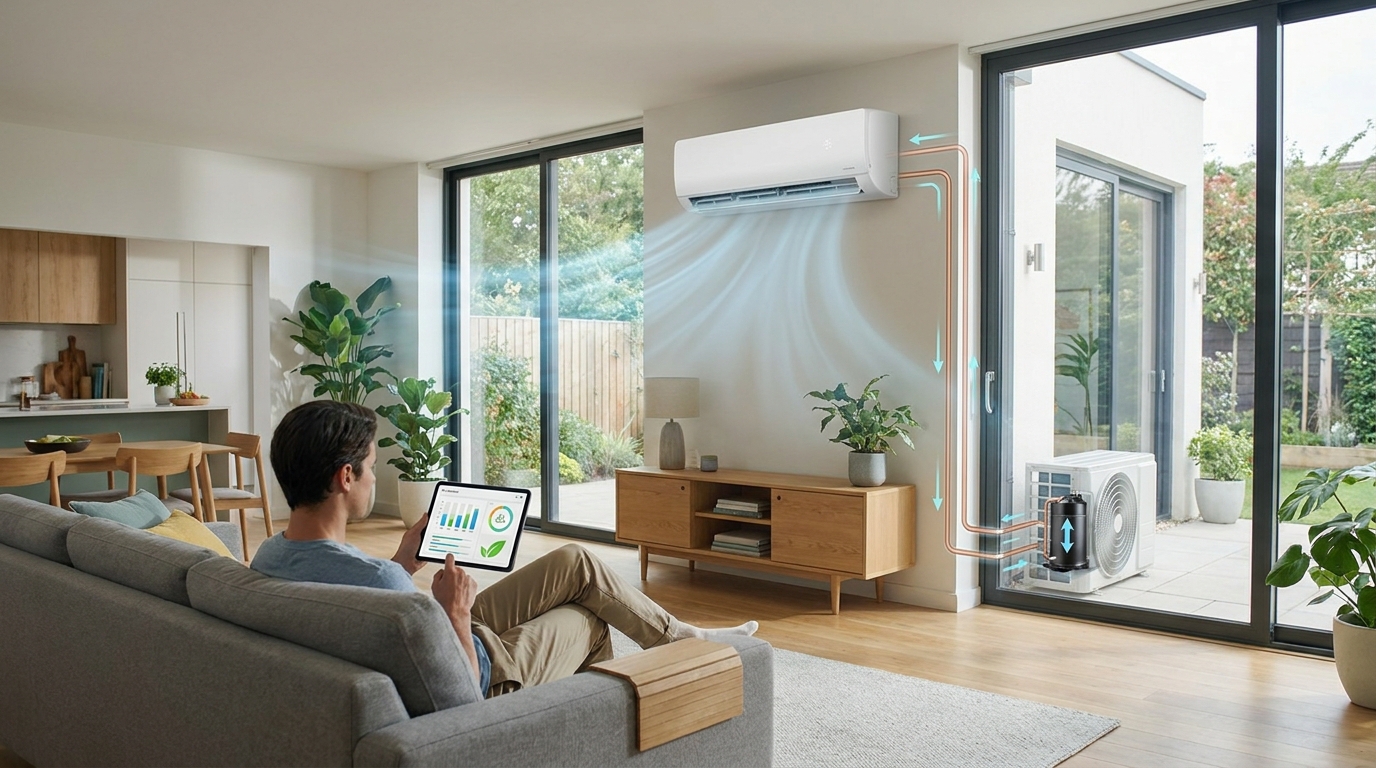
While expensive to install, heat pumps offer efficiency ratings of 300-400% (producing 3-4kW of heat for every 1kW of electricity). Check out alternative efficient heating options for more information.
The cheapest heating is the heat you don’t lose. Proper insulation can reduce heating needs by 30-50%, making any heating solution more cost-effective.
Halogen heaters are typically the cheapest to run due to their lower wattage (400-1200W), costing 14-41p per hour with UK electricity rates at 34p/kWh. However, they provide limited room coverage and are best for direct, personal warmth rather than whole-room heating.
A 1500W heater costs approximately 51p per hour with UK electricity rates at 34p per kWh. Calculate: (1500 ÷ 1000) × 34p = 51p. Costs vary based on your exact electricity rate, which ranges from 25-45p per kWh across different UK suppliers and tariffs.
Personal halogen heaters use the least power at 400W, costing about 14p per hour. These are followed by small ceramic heaters at 750W (26p/hour). However, these low-wattage options only provide localized heating and cannot adequately warm standard rooms.
A 1kW (1000W) heater costs 34p per hour with average UK electricity rates. At lower rates (25p/kWh), it costs 25p/hour, while at higher rates (45p/kWh), it costs 45p/hour. Always check your specific tariff for accurate calculations.
Yes, electric heaters significantly increase electricity bills. A standard 1500W heater used 4 hours daily adds £61 to monthly bills (at 34p/kWh). Even low-wattage 400W heaters used 8 hours daily add £33 monthly. Electric heating is typically the most expensive form of heating.
A 400W heater costs approximately 14p per hour with average UK electricity rates at 34p/kWh. The exact cost depends on your tariff: at 25p/kWh it’s 10p/hour, at 45p/kWh it’s 18p/hour. This makes 400W heaters among the cheapest to run but they provide limited heating capacity.
After extensive research into 1p per hour electric heaters and alternative heating solutions, here’s my conclusion:
Halogen heaters are the cheapest electric heaters to run due to lower power output, but they come with significant limitations in room coverage and heating effectiveness. The 1p per hour claim is mostly marketing – with current UK electricity rates, even the lowest wattage heaters cost 10-14p per hour.
For most users, I recommend investing in a quality 1500W ceramic heater with smart controls and timer functions. While more expensive to run initially (around 51p/hour), they provide adequate heating for standard rooms and can be used more efficiently through programming.
If you’re concerned about running costs, focus on proper insulation and smart heating controls rather than ultra-low wattage heaters that won’t adequately heat your space. Remember that the cheapest heater is one that actually works for your needs – otherwise you’re wasting money regardless of the running cost.
For comprehensive guides on energy efficient electric heating options and detailed energy efficiency ratings explained, explore our complete heating solution guides.