Physical Address
304 North Cardinal St.
Dorchester Center, MA 02124
Physical Address
304 North Cardinal St.
Dorchester Center, MA 02124

Choosing between 12 SEER and 16 SEER air conditioners? Get detailed cost analysis, energy savings calculations, and expert recommendations to make the right decision for your home.
Choosing between a 12 SEER and 16 SEER air conditioner can save you thousands of dollars over the system’s lifetime. But is upgrading to 16 SEER worth the extra $2,000-4,000 upfront cost? The answer depends on your climate, electricity rates, and how long you plan to stay in your home.
With the new SEER2 regulations implemented in 2026, understanding the differences between efficiency ratings has never been more important. This comprehensive comparison breaks down the actual costs, energy savings, and return on investment to help you make an informed decision.
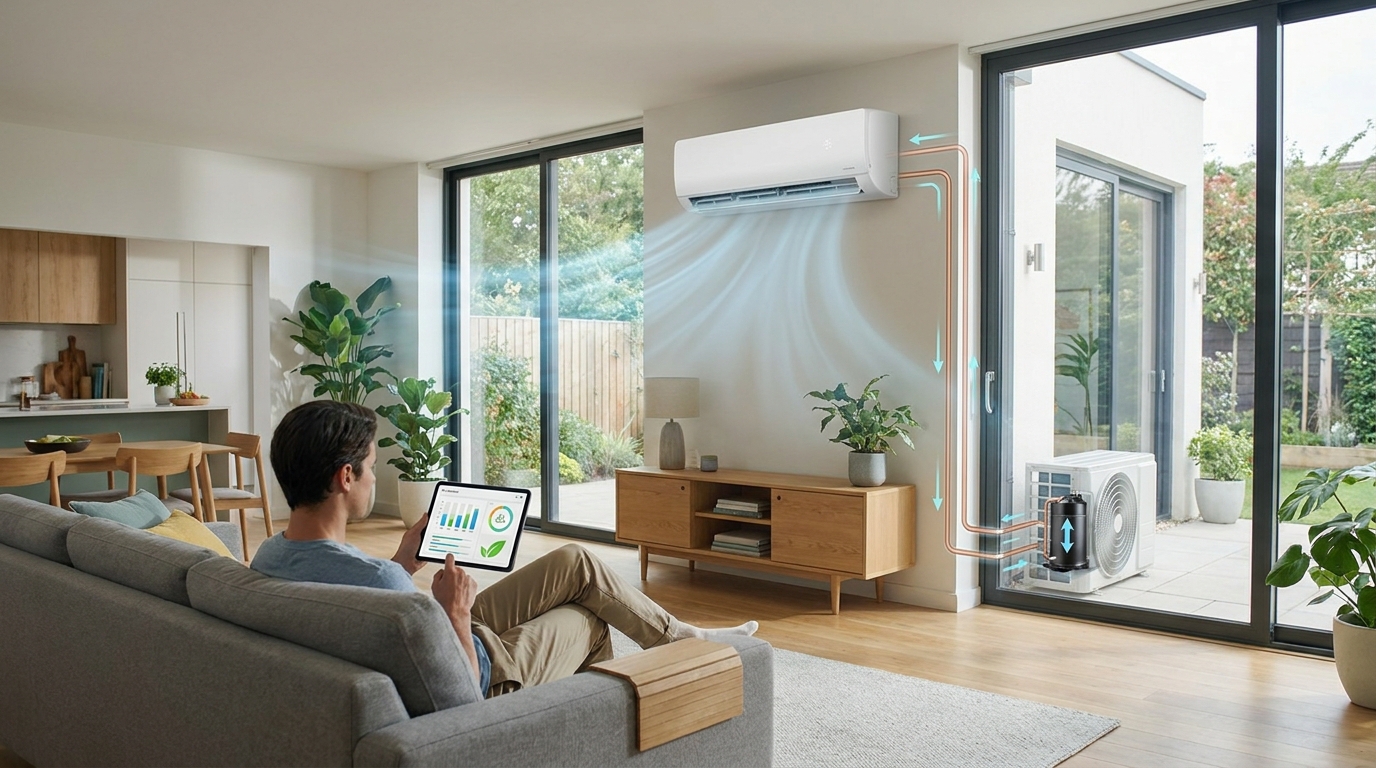
SEER stands for Seasonal Energy Efficiency Ratio, a measurement that calculates how efficiently your air conditioner operates over an entire cooling season. The rating represents the ratio of cooling output (in BTUs) to electricity input (in watt-hours). Higher SEER ratings mean greater energy efficiency.
How SEER is Calculated: SEER = Total Cooling Output (BTU) ÷ Total Energy Input (Watt-hours)
A 16 SEER unit is 33% more efficient than a 12 SEER unit (16 ÷ 12 = 1.33). This means for every dollar you spend on cooling with a 12 SEER unit, you’d only spend about 75 cents with a 16 SEER unit.
SEER2 Transition in 2026: The Department of Energy updated testing requirements, making SEER2 ratings slightly more stringent. A 14 SEER2 unit is roughly equivalent to a 14.3 SEER unit under the old standards.
For more detailed information about energy efficiency ratings explained, check out our comprehensive guide.
The upfront cost difference between 12 SEER and 16 SEER units typically ranges from $2,000 to $4,000, including installation. However, the long-term energy savings can offset this initial investment.
| SEER Rating | Unit Cost | Installation Cost | Total Average Cost |
|---|---|---|---|
| 12 SEER | $3,000-4,500 | $2,000-3,000 | $5,000-7,500 |
| 16 SEER | $5,000-7,000 | $2,500-3,500 | $7,500-10,500 |
Based on average electricity rates of $0.13 per kWh and 2,000 annual cooling hours:
Annual Savings: $300-375 with a 16 SEER unit
To calculate your payback period: Additional Cost ÷ Annual Savings = Years to Break Even
Example: $3,000 extra cost ÷ $350 annual savings = 8.6-year payback period
If you’re looking for best energy efficient air conditioners, check out our top recommendations for 2026.
A 16 SEER air conditioner offers significant advantages beyond just energy savings. Here’s what you get with the higher efficiency rating:
A 16 SEER unit consumes approximately 25% less electricity than a 12 SEER unit for the same cooling output. This efficiency gain comes from advanced features like:
16 SEER units typically provide superior comfort through:
Upgrading from 12 SEER to 16 SEER reduces your carbon footprint by approximately 2,500-3,000 pounds of CO2 emissions annually. This is equivalent to planting 37 trees or not driving 2,800 miles per year.
The value of upgrading to 16 SEER depends heavily on your climate and local electricity rates. Here’s how different regions benefit:
States like Texas, Florida, and Arizona benefit most from higher SEER ratings due to longer cooling seasons:
States with moderate summers see more modest benefits:
Higher electricity rates make 16 SEER more attractive:
Understanding SEER rating categories explained can help you choose the right efficiency for your needs.
Yes, if you live in a hot climate with high electricity rates and plan to stay in your home for 10+ years. The energy savings and comfort benefits typically justify the additional cost.
A 16 SEER unit is 33% more efficient than a 12 SEER unit, consuming approximately 25% less electricity for the same cooling output.
Choose at least 14 SEER2 to meet current minimum requirements. Consider 16 SEER if you have high electricity rates, long cooling seasons, or prioritize comfort features.
Yes, higher SEER units often run longer at lower speeds, which improves humidity control and allows for better air filtration.
Not necessarily, but ensure your existing furnace blower is compatible with the new air conditioner’s efficiency requirements.
With proper maintenance, both 12 SEER and 16 SEER units typically last 15-20 years. Higher efficiency units may have slightly longer lifespans due to less strain on components.
Yes, 16 SEER units often qualify for federal tax credits and local utility rebates, which can reduce the payback period significantly.
Choosing between 12 SEER and 16 SEER depends on your specific situation. Here’s our recommendation based on common scenarios:
The decision ultimately comes down to balancing upfront costs with long-term savings. For most homeowners in warm climates, investing in a 16 SEER unit provides better value over time, both financially and in terms of comfort and environmental impact.
For more information about energy efficient air conditioners, explore our comprehensive guides and reviews.